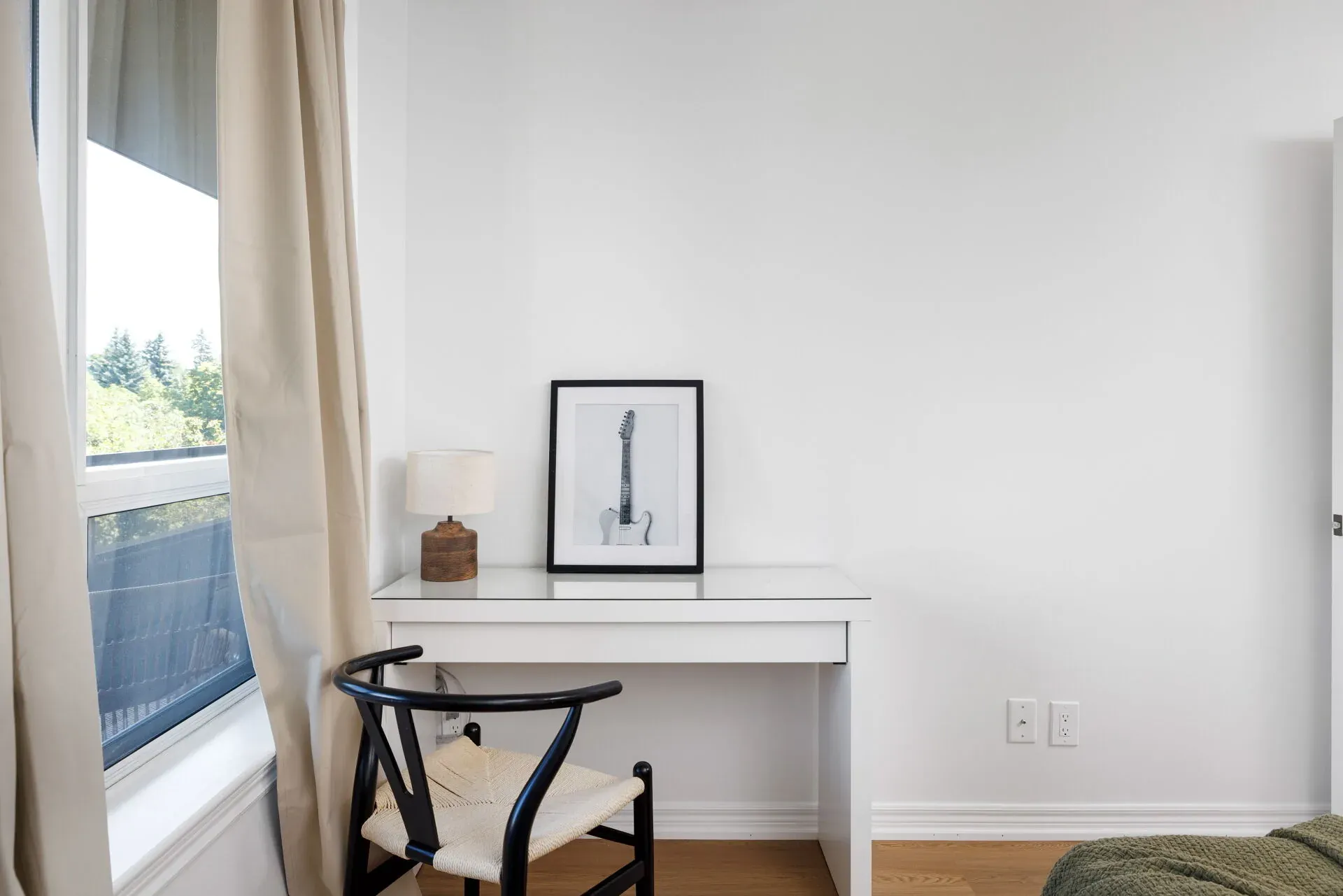
Homebuyers respond strongly to visual presentation. A staged property immediately delivers a polished, cohesive look that captures attention at first glance. Clean lines, balanced décor, and intentional layouts create a sense of order. As a result, potential buyers feel more inclined to schedule a visit.
Moreover, staged homes photograph better. Since most buyers begin their search online, compelling visuals play a crucial role. Listings with well-styled interiors generate more clicks, which consequently leads to increased inquiries. In contrast, empty or cluttered homes often fail to hold attention, reducing the likelihood of showings.
Therefore, visual appeal does more than enhance aesthetics; it actively drives engagement.
Emotional Connection Shapes Buyer Decisions
Buyers rarely base decisions on logic alone. Instead, emotion influences how they perceive a property. Staging creates an inviting atmosphere that helps buyers imagine living in the space. Thoughtfully arranged furniture, warm lighting, and subtle accents evoke comfort and belonging.
Furthermore, staging removes distractions. Personal items, bold design choices, or mismatched furniture can interrupt the buyer’s focus. However, a neutral and elegant presentation allows individuals to project their own lifestyle onto the home.
Consequently, emotional connection strengthens interest. Buyers who feel comfortable in a space tend to spend more time there and often request additional viewings.
Space Perception Improves With Strategic Layout
Empty rooms often confuse buyers. Without furniture, it becomes difficult to judge scale, function, or flow. Staging solves this issue by defining each area clearly. A well-placed sofa, dining table, or workspace instantly communicates purpose.
Additionally, a proper layout highlights the property’s strengths. For instance, arranging furniture to emphasize natural light or architectural features enhances the overall impression. On the other hand, poorly arranged or vacant spaces can make rooms appear smaller or less functional.
As a result, buyers gain clarity. When they understand how to use each space, they feel more confident scheduling a showing.
First Impressions Begin Before the Visit
The journey toward a showing starts long before a buyer steps inside. Online listings act as the first point of contact. Therefore, presentation at this stage matters significantly. Staged homes stand out in search results due to their refined appearance.
Key elements that influence first impressions include:
- High-quality listing photos
- Balanced color palettes
- Decluttered surfaces
- Coordinated furniture arrangements
- Proper lighting
Because these elements work together, staged homes create a strong initial impact. Consequently, buyers shortlist these properties more often, increasing the number of showings.
Faster Decision-Making Encourages More Visits
Buyers often scroll through multiple listings in a short time. If a property fails to impress quickly, they move on. However, staged homes communicate value instantly. Clear visuals and defined spaces reduce uncertainty.
Moreover, staging minimizes the mental effort required to evaluate a home. Buyers do not need to imagine layouts or overlook flaws. Instead, they see a ready-to-live environment. As a result, they make quicker decisions to visit the property.
This efficiency benefits sellers. More decisive buyers lead to higher showing rates and increased opportunities for offers.
Competitive Edge in a Crowded Market
Real estate markets often feature numerous similar listings. Without differentiation, properties struggle to gain attention. Staging provides a distinct advantage by elevating presentation quality.
In contrast to unstaged homes, staged properties:
- Appear more modern and updated
- Highlight lifestyle potential
- Stand out in comparison photos
- Create memorable impressions
Therefore, staging positions a home above competing listings. Buyers naturally gravitate toward properties that look appealing and well-maintained. Consequently, these homes receive more showing requests.
Neutral Design Appeals to a Wider Audience
Personalized décor can limit a property’s appeal. While unique styles may reflect the owner’s taste, they often fail to resonate with a broad audience. Staging addresses this issue by using neutral and universally appealing designs.
For example, soft color schemes, minimal accessories, and contemporary furniture create a versatile environment. Buyers from different backgrounds can relate to the space more easily. Moreover, neutral staging reduces the risk of negative reactions.
As a result, more buyers feel comfortable scheduling a showing. Broad appeal directly translates into increased foot traffic.
Highlighting Key Features Enhances Value Perception
Every property has strengths. However, these features may go unnoticed without proper presentation. Staging draws attention to elements such as large windows, open layouts, or upgraded kitchens.
Additionally, strategic placement of furniture and décor emphasizes functionality. For instance, a reading nook near a window showcases natural light, while a styled dining area highlights entertaining potential.
Consequently, buyers perceive greater value. When a home feels well-designed and purposeful, it justifies further interest. This perception leads to more showings and stronger engagement.
Reducing Visual Clutter Improves Focus
Clutter distracts buyers and creates a sense of chaos. Personal belongings, excessive furniture, or unorganized spaces can overwhelm visitors. Staging eliminates these distractions by simplifying the environment.
Key decluttering benefits include:
- Clear sightlines across rooms
- Enhanced sense of space
- Improved lighting flow
- Easier navigation
Because of these improvements, buyers focus on the property itself rather than its contents. This clarity increases comfort and encourages more visits.
Professional Presentation Builds Trust
Buyers associate presentation quality with property condition. A well-staged home signals care, maintenance, and attention to detail. As a result, buyers develop trust in the listing.
Moreover, staging suggests that the seller values the property. This perception reduces concerns about hidden issues. Buyers feel more confident investing time in a showing.
In contrast, poorly presented homes may raise doubts. Even minor imperfections can appear significant when the overall presentation lacks polish. Therefore, staging plays a critical role in building credibility.
Photography and Marketing Synergy
Staging and marketing work hand in hand. High-quality photos amplify the impact of staging, while staging enhances the effectiveness of marketing materials. Together, they create a compelling listing.
Important marketing advantages include:
- Increased online visibility
- Higher engagement rates
- More social media shares
- Greater listing retention time
Consequently, staged homes attract a larger audience. This expanded reach directly contributes to higher showing numbers.
The Role of Professional Staging Services
Professional staging services bring expertise and objectivity. They assess the property, identify strengths, and create a cohesive design plan. Their approach ensures consistency and visual harmony.
For instance, a staging company in Toronto may tailor designs to local buyer preferences while maintaining broad appeal. This targeted strategy enhances effectiveness.
Additionally, professionals use high-quality furnishings and accessories. Their selections elevate the overall presentation, making the property more attractive to potential buyers.
Creating a Lifestyle Narrative
Buyers seek more than physical space; they seek a lifestyle. Staging communicates how a home supports daily living, relaxation, and social interaction. Each room tells a story.
For example:
- A styled living room suggests comfort and entertainment
- A neatly arranged kitchen reflects functionality
- A cozy bedroom conveys rest and privacy
Because these narratives resonate emotionally, buyers form stronger connections. Consequently, they feel motivated to visit the property in person.
Addressing Buyer Expectations
Modern buyers expect well-presented homes. Online platforms have raised standards, making visual appeal a baseline requirement. Properties that fail to meet these expectations risk being overlooked.
Staging aligns the property with current buyer preferences. It ensures that the home meets visual and functional standards. As a result, buyers view the property as competitive and worth visiting.
Increasing Perceived Move-In Readiness
Buyers prefer homes that feel ready for occupancy. Staging creates this impression by presenting a clean, organized, and functional environment. It minimizes the perception of required work.
Moreover, move-in readiness reduces hesitation. Buyers feel more confident scheduling a showing when they believe the property requires minimal effort. This confidence leads to increased interest and higher showing rates.
Supporting Faster Sales Cycles
Although the primary focus remains on showings, staging also influences the speed of transactions. Homes that attract more visitors often receive offers more quickly. Increased traffic creates urgency among buyers.
Additionally, a strong presentation reduces the time spent on the market. Buyers who see value immediately tend to act faster. Consequently, staging supports both higher showing numbers and quicker sales.
Conclusion
Staged homes consistently attract more showings because they combine visual appeal, emotional connection, and functional clarity. Each element works together to create a compelling experience for buyers.
Moreover, staging enhances marketing effectiveness, builds trust, and differentiates properties in competitive markets. As a result, sellers gain a clear advantage.
Ultimately, presentation shapes perception. When a home looks inviting, organized, and purposeful, buyers respond with increased interest and action.
FAQs
1. Why do staged homes receive more showings than empty homes?
Staged homes provide context and clarity. Buyers can visualize how each space functions, which reduces uncertainty. Moreover, staged interiors look more appealing in listing photos. This combination attracts more online interest and encourages potential buyers to schedule visits, increasing overall showing numbers significantly.
2. Does staging really influence buyer decisions?
Staging plays a strong role in shaping buyer perception. It creates an emotional connection and highlights the home’s strengths. Buyers often feel more comfortable in a staged environment. Consequently, they spend more time exploring the property and feel motivated to take the next step, including booking a showing.
3. How does staging improve online listing performance?
Staging enhances visual quality, making photos more attractive and engaging. Buyers browsing listings tend to click on properties that appear well-presented. Higher click-through rates lead to increased inquiries. Therefore, staged homes generate more attention, which directly results in a greater number of scheduled showings.
4. Can staging make a small home look bigger?
Yes, staging uses strategic furniture placement and minimal décor to create the illusion of space. It improves flow and removes clutter. As a result, rooms appear larger and more functional. Buyers appreciate this clarity, which increases their interest and willingness to visit the property in person.
5. Is professional staging necessary for better results?
Professional staging ensures a cohesive and polished look. Experts understand design principles and buyer preferences. They create layouts that highlight strengths and minimize weaknesses. Consequently, professionally staged homes often outperform self-staged properties in attracting showings and generating buyer interest.
6. Does staging help in competitive real estate markets?
Staging provides a clear advantage in competitive environments. It differentiates a property from similar listings. Buyers naturally gravitate toward homes that look appealing and well-maintained. Therefore, staged homes stand out, receive more attention, and secure higher numbers of showings compared to unstaged alternatives.
7. What areas of a home benefit most from staging?
Living rooms, kitchens, and primary bedrooms benefit the most. These spaces influence buyer impressions significantly. Staging these areas creates a strong emotional connection. Additionally, entryways and dining areas also play important roles in shaping perceptions and encouraging buyers to explore the home further.
8. How does staging affect buyer confidence?
A well-staged home signals care and maintenance. Buyers associate a good presentation with overall property quality. This perception builds trust and reduces concerns. As a result, buyers feel more confident scheduling a showing and considering the property as a serious option for purchase.
9. Can staging increase the number of repeat showings?
Yes, staging creates a memorable impression. Buyers who feel connected to the space often return for a second visit. Clear layouts and appealing design make it easier to evaluate the property again. Consequently, staging not only increases initial showings but also encourages repeat visits.
10. Does staging impact the time a home stays on the market?
Staging often reduces time on the market by attracting more buyers quickly. Increased showings create momentum and urgency. Buyers who perceive value tend to act faster. Therefore, staged homes typically experience shorter selling periods compared to properties that lack proper presentation.