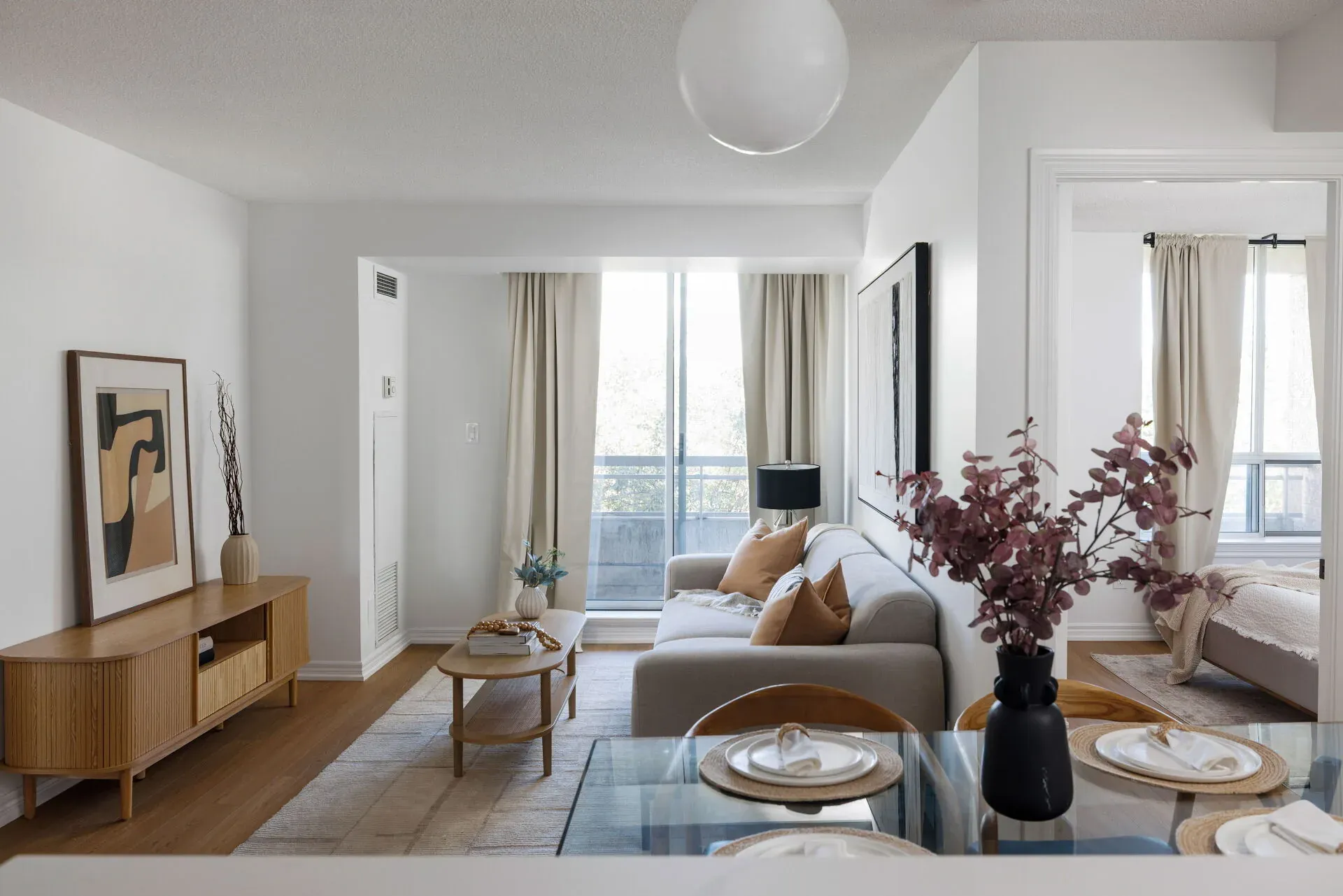
Luxury homes often include features that set them apart from traditional properties, and a custom wine room ranks among the most distinctive. More than a storage area, it reflects craftsmanship, refined taste, and attention to detail. Proper staging ensures this feature enhances the home’s overall appeal instead of feeling isolated or overly specialized. Every design choice should create harmony between the wine room and surrounding living spaces, helping buyers appreciate both its beauty and practical value while forming a lasting impression during every viewing.
A beautifully designed wine room represents more than a place to store bottles. It creates an atmosphere associated with entertaining, relaxation, and premium living. Buyers often view this feature as an extension of the home’s lifestyle rather than a simple storage solution.
Moreover, custom wine rooms demonstrate thoughtful architectural planning. Built-in shelving, climate control, elegant lighting, and quality finishes contribute to a sense of exclusivity that enhances perceived property value.
However, even the finest wine room requires thoughtful presentation. Without proper staging, buyers may focus on personal decorating choices instead of recognizing the room’s full potential.
Consequently, careful preparation helps buyers imagine how the space can complement their own lifestyle.
Begin with an Outstanding First Impression
Every successful showing starts at the entrance.
The home’s initial presentation establishes buyer expectations before anyone reaches the custom wine room.
Prioritize these staging essentials:
- Spotless flooring
- Fresh neutral paint
- Bright entry lighting
- Minimal decorative accessories
- Organized storage
- Fresh greenery
- Clean windows
- Well-maintained doors
Furthermore, maintain consistency throughout the property. Buyers should experience a seamless transition from the entrance to every interior space.
A polished first impression increases anticipation for premium features located deeper within the home.
Position the Wine Room as a Luxury Feature
The wine room deserves attention without overpowering the rest of the property.
Balance remains the primary objective.
Maintain Exceptional Cleanliness
Every visible surface should appear flawless.
Pay close attention to:
- Glass doors
- Shelving
- Cabinet hardware
- Flooring
- Countertops
- Display racks
- Cooling system vents
- Lighting fixtures
Moreover, remove fingerprints, dust, and unnecessary decorative objects before every property showing.
Clean presentation immediately communicates careful ownership and premium quality.
Display Wine Bottles Thoughtfully
Bottle arrangement significantly affects visual appeal.
Instead of filling every shelf, create balanced displays using carefully spaced bottles.
Helpful principles include:
- Even spacing
- Coordinated labels
- Symmetrical arrangements
- Visible premium shelving
- Open display areas
Consequently, buyers focus on craftsmanship instead of clutter.
Connect the Wine Room to Nearby Living Areas
Luxury buyers appreciate homes with strong visual flow.
The wine room should feel naturally connected to adjacent entertaining spaces.
Coordinate design elements through:
- Matching flooring tones
- Similar wood finishes
- Consistent lighting
- Neutral artwork
- Complementary hardware
Likewise, nearby dining rooms and living spaces should support the same refined atmosphere.
When every room shares consistent design language, the property feels larger and more cohesive.
Create Elegant Lighting Throughout the Space
Lighting transforms the appearance of every luxury feature.
Rather than relying on one fixture, layer multiple light sources.
Consider combining:
- Recessed ceiling lights
- Accent shelf lighting
- Wall sconces
- Decorative pendant lighting
- LED cabinet illumination
Additionally, choose warm lighting that enhances natural wood textures and stone surfaces.
Balanced illumination creates depth while highlighting architectural details without overwhelming the room.
Select Refined Furnishings Near the Wine Room
Furniture surrounding the wine room should reinforce sophistication.
Avoid oversized seating that blocks natural traffic flow.
Instead, choose pieces featuring:
- Clean lines
- Neutral upholstery
- Quality fabrics
- Timeless finishes
- Comfortable proportions
Moreover, arrange furniture to encourage conversation while preserving open sightlines toward the wine room.
A carefully planned layout allows buyers to appreciate both the entertaining space and the architectural feature simultaneously.
Use Neutral Colors to Broaden Buyer Appeal
Luxury staging should attract diverse buyer preferences.
Neutral color palettes achieve that objective while emphasizing architectural craftsmanship.
Suitable colors include:
- Soft white
- Warm beige
- Light gray
- Taupe
- Charcoal accents
- Natural wood tones
However, introduce subtle contrast through decorative accessories rather than bold wall colors.
Neutral surroundings allow the wine room’s premium finishes to remain the visual centerpiece.
Highlight Premium Materials
Custom wine rooms often include exceptional materials that deserve attention.
Showcase features such as:
- Solid wood shelving
- Natural stone surfaces
- Glass enclosures
- Metal accents
- Custom cabinetry
- Decorative ceiling treatments
Furthermore, ensure every material appears clean and well-maintained before photography or buyer visits.
Premium finishes reinforce perceptions of quality throughout the home.
Maintain Clear Walking Paths
Luxury homes should feel spacious and comfortable.
Avoid placing decorative items where they interrupt movement.
Maintain generous clearance around:
- Wine room entrances
- Hallways
- Dining spaces
- Seating areas
- Display cabinets
Consequently, buyers can move naturally through the home while appreciating each feature without feeling restricted.
Open circulation also improves photography by emphasizing room proportions.
Stage Nearby Dining Areas
Dining rooms often share a close relationship with custom wine rooms.
Coordinate these spaces carefully.
Simple staging ideas include:
- Neutral table settings
- Elegant centerpieces
- Linen napkins
- Glassware
- Fresh flowers
However, avoid elaborate decorations that distract from the home’s architectural character.
Instead, create an atmosphere that suggests comfortable entertaining while remaining sophisticated and inviting.
Keep Decorative Accessories Minimal
Luxury staging benefits from thoughtful restraint.
Choose only a few carefully selected accessories, such as:
- Sculptural vases
- Framed artwork
- Decorative bowls
- Tasteful greenery
- Soft textiles
Moreover, every decorative item should complement the room instead of competing with premium finishes.
A clean presentation allows buyers to appreciate craftsmanship, proportions, and design quality without unnecessary distractions.
Balance Functionality with Sophistication
Luxury buyers expect every room to combine beauty with everyday practicality. Although a custom wine room serves as a premium feature, the surrounding spaces should reinforce its purpose through thoughtful design and comfortable layouts.
Each adjoining room should feel welcoming rather than overly formal. Consequently, buyers can picture hosting gatherings, celebrating special occasions, or enjoying quiet evenings at home.
Create Comfortable Seating Areas
Arrange furniture to encourage conversation while maintaining generous circulation.
Consider including:
- A refined sofa
- Two accent chairs
- A coffee table
- Coordinated side tables
- Soft lighting
- A neutral area rug
Moreover, position seating to complement the wine room instead of blocking its view. Balanced furniture placement creates visual harmony throughout the entertaining space.
Keep Entertainment Spaces Inviting
Luxury homes often feature open layouts that connect the wine room with dining or family areas.
Maintain continuity by using:
- Coordinated fabrics
- Matching wood finishes
- Similar decorative accents
- Consistent metal hardware
- Complementary artwork
As a result, buyers experience a seamless flow from one room to another.
Present the Kitchen as a Natural Extension
The kitchen frequently serves as the heart of luxury entertaining.
Because custom wine rooms often sit nearby, both spaces should complement each other through coordinated styling.
Remove unnecessary countertop appliances before every showing.
Instead, display only a few tasteful elements such as:
- A wooden serving board
- Fresh fruit
- Neutral ceramic bowls
- Small herb planters
- Elegant glass containers
Furthermore, organize pantry shelves and cabinets carefully. Buyers often inspect storage, and neat organization reflects thoughtful home maintenance.
Use Artwork to Enhance Architectural Features
Artwork should support the home’s style rather than dominate it.
Choose pieces featuring:
- Abstract designs
- Landscapes
- Black-and-white photography
- Neutral color palettes
- Minimal frames
However, avoid highly personal artwork or oversized collections.
Well-placed artwork directs attention toward architectural details while maintaining an elegant atmosphere throughout the home.
Create a Sophisticated Atmosphere with Lighting
Lighting influences how buyers perceive luxury spaces.
Rather than relying entirely on overhead fixtures, combine several light sources.
Effective options include:
- Pendant lighting
- Wall sconces
- Floor lamps
- Table lamps
Additionally, warm lighting often highlights wood textures and stone finishes more effectively than harsh white illumination.
Balanced lighting enhances comfort while making the wine room feel welcoming during both daytime and evening showings.
Stage Storage Areas Carefully
Luxury buyers expect generous storage throughout the property.
Every storage space should appear organized and spacious.
Prepare:
- Pantry shelves
- Utility rooms
- Wine accessories
- Glassware cabinets
- Serving storage
- Linen closets
Moreover, avoid filling every shelf.
Leaving visible open space creates the impression of greater storage capacity while reinforcing an organized lifestyle.
Maintain Fresh Air and Pleasant Ambience
Air quality plays a significant role during property showings.
Avoid overpowering fragrances that may distract buyers.
Instead:
- Open windows before appointments when appropriate.
- Maintain comfortable indoor temperatures.
- Remove lingering cooking odors.
- Keep ventilation systems clean.
- Use fresh flowers sparingly.
Consequently, buyers remain focused on the home’s design instead of environmental distractions.
Highlight Craftsmanship Throughout the Home
A custom wine room often reflects superior craftsmanship.
That same attention to detail should appear across the property.
Draw attention to:
- Crown molding
- Hardwood flooring
- Stone fireplaces
- Built-in shelving
- Designer lighting
- Quality cabinetry
- Premium hardware
Furthermore, inspect every finish for scratches, dust, or minor imperfections before photography and showings.
Consistent presentation reinforces the home’s luxury positioning.
Prepare the Home for Professional Photography
Online photographs create buyers’ first impressions.
Therefore, every room should appear bright, spacious, and inviting.
Complete this checklist before photography:
- Turn on all lights.
- Straighten chairs.
- Remove unnecessary decor.
- Polish glass surfaces.
- Open curtains.
- Arrange cushions neatly.
- Clean reflective finishes.
- Hide visible cables.
Professional images help showcase the wine room while presenting the entire property as elegant and carefully maintained.
Appeal to Different Buyer Preferences
Not every buyer collects wine.
Therefore, staging should present the wine room as a versatile luxury feature rather than a highly specialized space.
Potential uses buyers may imagine include:
- Entertaining guests
- Displaying collections
- Hosting tastings
- Storing specialty beverages
- Creating a conversation space
Consequently, buyers recognize broader lifestyle possibilities while appreciating the room’s architectural value.
Keep Luxury Presentation Timeless
Trends change, yet timeless interiors continue attracting buyers.
Focus on:
- Neutral furnishings
- Classic finishes
- Quality materials
- Balanced proportions
- Simple decorative accents
Moreover, avoid trendy colors or oversized decorative themes that may quickly appear outdated.
Many homeowners preparing premium properties seek advice from a staging company in Toronto because careful staging highlights distinctive features such as custom wine rooms while maintaining broad buyer appeal through an elegant, timeless presentation.
Avoid Common Staging Mistakes
Luxury homes can lose their impact when small presentation details receive too little attention. Buyers often notice distractions before appreciating premium features. Therefore, careful preparation remains essential before every showing.
Avoid these common mistakes:
- Overcrowded furniture layouts
- Dust on shelving and display racks
- Empty or poorly arranged wine displays
- Excessive decorative accessories
- Harsh lighting
- Personal photographs
- Visible electrical cords
- Cluttered countertops
- Unorganized storage areas
- Dirty glass surfaces
Moreover, inspect every room immediately before buyers arrive. Consistent presentation reinforces the home’s quality from the entrance to the wine room.
Stage Outdoor Spaces to Match Interior Luxury
Outdoor living areas should complement the home’s refined atmosphere. Buyers expect the same level of care outside as they see indoors.
If the property includes a patio, terrace, or landscaped garden, prepare it with the same attention to detail.
Consider adding:
- Comfortable seating
- Neutral outdoor cushions
- Decorative planters
- Simple accent tables
Furthermore, remove worn furniture, unused equipment, and unnecessary decorations. Clean outdoor spaces strengthen the home’s overall presentation and create a complete luxury lifestyle.
Prepare Every Room Before Showings
Consistency creates confidence during property tours.
Develop a final preparation routine before every appointment.
Review the following checklist:
- Turn on all interior lighting.
- Open blinds and curtains.
- Vacuum flooring.
- Wipe kitchen surfaces.
- Polish mirrors.
- Straighten furniture.
- Refresh flowers if used.
- Empty trash containers.
- Clean the wine room glass.
- Check room temperature.
Consequently, buyers experience a polished home that reflects thoughtful ownership and careful maintenance.
Help Buyers Picture Everyday Living
Luxury staging should create emotional appeal without appearing overly formal.
Arrange spaces to demonstrate comfort as well as sophistication.
For example, a nearby seating area can suggest quiet conversations, while a neatly arranged dining table reflects effortless entertaining. Likewise, subtle decorative touches encourage buyers to imagine celebrating special occasions within the home.
Balanced presentation allows architectural details and premium finishes to remain the primary attraction.
Conclusion
A custom wine room adds elegance, personality, and lasting value when presented with thoughtful staging. Clean design, coordinated decor, refined lighting, and consistent styling help this distinctive feature blend naturally with the rest of the home. Moreover, every carefully prepared space strengthens buyer confidence and highlights the property’s craftsmanship. A balanced presentation transforms the wine room from a specialty feature into an integral part of an exceptional luxury residence.
FAQs
1. Why should a custom wine room be staged before selling a luxury home?
A well-staged wine room highlights craftsmanship, organization, and architectural quality. Buyers can better appreciate its value when shelves, lighting, and surrounding spaces appear clean and thoughtfully arranged. Proper presentation also strengthens the home’s overall luxury appeal.
2. How many wine bottles should remain on display during staging?
Display enough bottles to create balance without overcrowding shelves. Even spacing creates a sophisticated appearance while allowing buyers to appreciate the cabinetry, lighting, and overall design instead of focusing only on the collection.
3. Which colors work best around a custom wine room?
Neutral shades such as white, beige, taupe, gray, and natural wood tones create timeless appeal. These colors emphasize premium finishes while allowing decorative elements and architectural details to stand out naturally.
4. Should personal wine collections remain during showings?
A carefully selected display works well, but highly personal collections should be reduced. Balanced arrangements appeal to a broader audience while preventing buyers from feeling distracted by the homeowner’s individual preferences.
5. What type of lighting suits a luxury wine room?
Warm layered lighting generally produces the most inviting atmosphere. Combining recessed fixtures, shelf lighting, and accent lights highlights wood textures, glass enclosures, and display shelving without creating harsh shadows.
6. How can nearby rooms support the wine room’s presentation?
Coordinate furniture, colors, lighting, and decorative accents with the wine room. Consistent styling creates visual flow and reinforces the feeling that every entertaining space belongs to one carefully planned luxury home.
7. Should every luxury home include decorative accessories?
Yes, but moderation is important. A few carefully chosen accessories create warmth without competing with architectural features. Clean surfaces often make premium finishes and custom craftsmanship more noticeable.
8. Why is organization important during luxury home staging?
Organized rooms suggest careful maintenance and efficient use of space. Buyers often associate cleanliness and order with overall property quality, making organized storage and uncluttered living areas especially valuable.
9. How should outdoor spaces relate to the interior design?
Outdoor areas should reflect the same level of elegance through coordinated furniture, neutral colors, tasteful lighting, and well-maintained landscaping. Consistency creates a complete luxury experience throughout the property.
10. What is the biggest mistake when staging a custom wine room?
Allowing clutter or poor maintenance to distract from quality craftsmanship remains the most common mistake. Clean shelving, balanced displays, polished surfaces, and thoughtful lighting help buyers focus on the room’s premium design and lasting value.