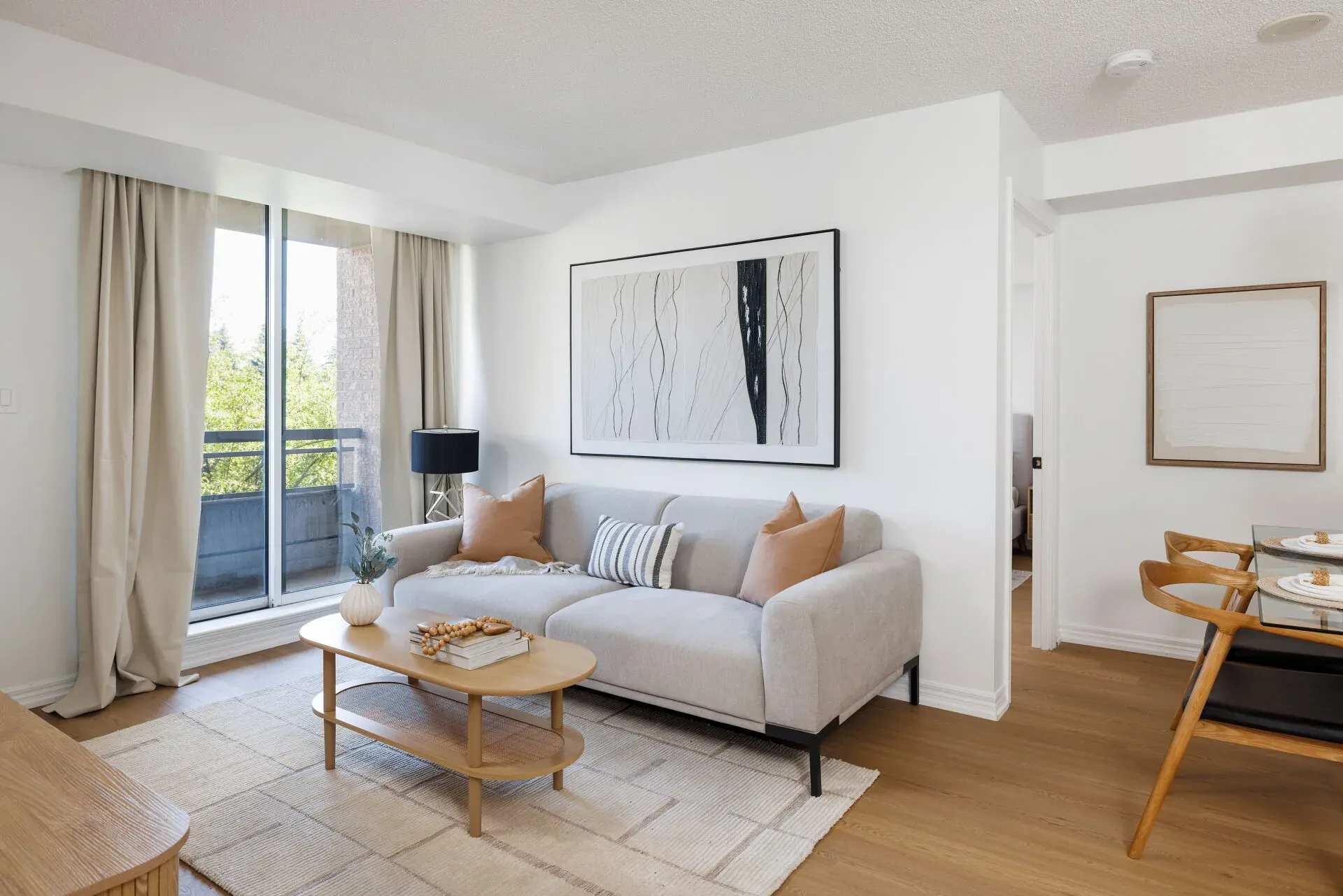
Home Staging

Home Staging Downtown

Houses sell room by room. We stage each space so buyers understand what it's for, how it connects to the rest of the home, and how they'd live in it.

01

Local to the area

We plan around the architecture — proportion, sightlines, where the light falls — rather than a house style used everywhere.

Staging in Downtown Toronto

Why Home Staging Should Be Considered?

Home Staging Downtown focuses on preparing residential spaces to appeal to buyers who expect comfort, style, and functionality. Downtown homes face strong competition, limited space, and diverse buyer expectations. Thoughtful staging highlights layout, flow, and livability while reducing visual distractions. Shine Urban Staging delivers residential solutions that support confident property marketing and smoother selling experiences. Each staged space reflects balance, clarity, and everyday practicality. The approach respects the character of downtown living while helping buyers connect emotionally with the home. Key staging priorities include: space planning, neutral styling, purposeful furniture placement, and inviting room flow for modern urban residential buyers.

Home Staging in Downtown plays a vital role in shaping how a residential property connects with buyers. Downtown neighborhoods attract buyers with varied lifestyles, expectations, and priorities. Many homes feature compact layouts, vertical living, and shared spaces that require thoughtful presentation. Staging brings clarity to these spaces, allowing buyers to visualize daily living without distraction. A staged home communicates purpose, balance, and comfort while keeping attention focused on the property itself rather than personal items or empty rooms.

Downtown buyers often view multiple properties within a short time frame. A well-staged home stands out because it feels complete and intentional. It offers a visual story that feels welcoming and organized. Shine Urban Staging approaches residential staging with attention to flow, proportion, and livability, helping buyers see how spaces support modern urban routines.

How Staging Shapes Buyer Perception

First impressions form quickly. Buyers assess layout, light, and usability almost immediately after entering a home. Staging guides that assessment by framing each room clearly and functionally. Instead of leaving interpretation to chance, staging directs attention to strengths while softening less desirable features through thoughtful arrangement.

  • Clear definition of the room's purpose
  • Improved sense of scale in smaller rooms
  • Enhanced natural light through furniture placement
  • Reduced visual clutter
  • Balanced movement between rooms

Addressing Downtown Living Challenges

Downtown homes often present unique challenges. Limited square footage, open-concept layouts, and shared walls require careful planning. Staging resolves these challenges by creating zones, improving flow, and emphasizing versatility without overwhelming the space.

  • Creating separation in open layouts
  • Making compact rooms feel breathable
  • Highlighting storage potential
  • Supporting both work and relaxation needs

Emotional Connection and Decision Confidence

Buying a home involves emotion as much as logic. Buyers respond to environments that feel calm, organized, and livable. Staging removes personal distractions and replaces them with neutral, inviting design choices that appeal broadly. This emotional neutrality allows buyers to imagine themselves living there rather than feeling like guests in someone else’s home.

  • Reduced decision fatigue
  • Increased comfort during walkthroughs
  • Clear lifestyle alignment
  • Positive memory retention after viewing

Supporting Real Estate Presentation

Staging complements professional property marketing without overshadowing it. Clean lines, consistent colour palettes, and purposeful furniture arrangements photograph well and maintain visual continuity across listing platforms. Even before in-person visits, staged spaces communicate care and readiness.

  • Consistent visual messaging
  • Balanced room composition
  • Enhanced listing imagery
  • Clear spatial storytelling

Functional Clarity for Practical Buyers

Downtown buyers often prioritize function as much as appearance. They want to know where they will work, relax, store belongings, and host guests. Staging answers these questions without verbal explanation by demonstrating realistic use of space.

  • Furniture scaled to room dimensions
  • Logical placement that supports movement
  • Simplified layouts
  • Thoughtful accessory selection

Long-Term Value Perspective

Staging supports more than immediate appeal. It helps buyers recognize the long-term value of the property. By presenting spaces clearly and neutrally, staging allows buyers to assess adaptability and longevity without distraction. This perspective supports thoughtful decision-making rather than rushed judgments.

  • Timeless design choices
  • Flexible layouts
  • Neutral colour balance
  • Visual order
  • Consistent style flow

Why staging pays off

Key Advantages of Home Staging Every Seller Should Know

Home Staging in Downtown delivers practical and emotional advantages for homeowners preparing a residential property for sale. Downtown buyers often balance lifestyle goals with space limitations, design preferences, and long-term value considerations. Staging addresses these factors by shaping each room to feel intentional, approachable, and functional. Rather than leaving buyers to interpret empty or overly personal spaces, staging offers a clear visual direction that supports confident decision-making.

A staged home communicates care and readiness. It signals that the property received thoughtful preparation, which encourages buyers to engage more seriously with the space. Shine Urban Staging focuses on residential environments that feel calm, balanced, and easy to navigate, allowing the home to speak for itself without distraction.

01

Visual Benefits That Shape First Impressions

Visual clarity remains one of the strongest benefits of staging. Buyers respond positively to spaces that feel organized, open, and inviting. Proper furniture placement and neutral styling allow architectural features and layout to stand out naturally.

  • Clear room purpose without explanation
  • Improved balance between furniture and open space
  • Reduced visual noise from personal items
  • Enhanced sense of cleanliness and order
  • Stronger visual flow between connected areas
02

Emotional Comfort and Buyer Confidence

Staging influences how buyers feel inside a home. Emotional comfort plays a critical role in residential decision-making. When spaces feel neutral yet warm, buyers relax and focus on possibility rather than adjustment.

  • Reduced anxiety during property visits
  • Easier emotional connection with the space
  • Stronger sense of belonging
03

Practical Advantages for Everyday Living

Downtown living often requires smart use of space. Buyers want to see how rooms support real-life needs such as working from home, entertaining, or storage. Home Staging Service in Downtown demonstrates these possibilities visually without overwhelming the space.

  • Logical furniture placement that supports movement
  • Defined zones in open-concept layouts
  • Balanced use of vertical and horizontal space
  • Clear demonstration of usable square footage
04

Marketing and Presentation Benefits

Staged homes are consistently presented across all marketing channels. Clean lines, cohesive colour palettes, and purposeful styling photograph well and maintain visual harmony. Buyers often encounter listings online before scheduling viewings, making a visual presentation essential.

  • Stronger visual consistency across listings
  • Enhanced room definition in photos
  • Improved perception of scale and layout
  • Increased visual engagement without exaggeration
05

Neutral Appeal for Broader Reach

Residential staging focuses on neutrality rather than personalization. This approach allows a wider range of buyers to connect with the space. Neutral styling removes lifestyle assumptions and creates flexibility in interpretation.

  • Reduced buyer resistance
  • Easier personalization in imagination
  • Balanced design that suits varied tastes
  • Minimal distraction from architecture
06

Perceived Care and Property Readiness

Staging sends a clear message that the property received attention and preparation. Buyers often associate staged homes with better upkeep, even without conscious awareness. This perception supports confidence and trust.

  • Sense of move-in readiness
  • Increased perceived value
  • Stronger emotional reassurance
  • Positive overall impression
07

Support for Decision Clarity

Staging reduces guesswork. Buyers see where furniture fits, how rooms connect, and how daily activities unfold. This clarity helps buyers evaluate the property based on reality rather than assumptions.

  • Faster comprehension of layout
  • Clear functional storytelling
  • Confident space evaluation
  • Improved memory recall after viewing

What we stage in Downtown Toronto

Our Various Home Staging Services

Home Staging in Downtown requires flexibility, sensitivity to space, and a strong focus on residential living patterns. Homes in downtown areas vary widely in layout, size, and architectural character. Shine Urban Staging provides residential staging solutions designed to support these differences while keeping presentation clear, neutral, and inviting. Each staging type focuses on helping buyers visualize daily life without distraction or confusion.

Rather than applying a single approach to every property, staging adapts to the condition, layout, and readiness of the home. This flexibility allows homeowners to choose a staging direction that aligns with their property goals and timeline while maintaining visual consistency and comfort.

Vacant Home Staging

Vacant homes often feel cold, echoing, or difficult to interpret. Empty rooms make it hard for buyers to judge scale, function, and flow. Vacant home staging introduces furniture and décor that define purpose while maintaining openness.

  • Clear definition of each room’s role
  • Balanced placement that improves flow
  • Neutral styling that suits broad preferences
  • Visual warmth without clutter

Partial Home Staging

Some residential properties contain existing furniture that supports the layout but requires refinement. Partial staging works with select pieces while replacing or adjusting others to improve balance and cohesion.

  • Retaining suitable furniture
  • Removing visually heavy or mismatched items
  • Introducing complementary pieces where needed
  • Aligning style across connected spaces

Occupied Home Staging

Occupied homes require thoughtful coordination. Personal items, daily-use furniture, and emotional attachment can influence presentation. Occupied home staging reorganizes existing elements while introducing neutral styling to create visual calm.

  • Repositioning furniture for better movement
  • Creating visual consistency across rooms
  • Softening bold or dominant elements
  • Maintaining everyday comfort while improving appeal

Short-Term Listing Staging

Some homeowners require staging support for a limited listing window. Short-term staging focuses on immediate impact while keeping transitions smooth and efficient.

  • Quick visual transformation
  • Streamlined furniture selection
  • Focus on high-impact rooms
  • Minimal disruption to the property

Condo and Apartment Staging

Downtown residential living often includes condominiums and apartments with compact layouts. Staging these spaces requires precision and restraint to avoid crowding.

  • Space-saving furniture placement
  • Visual openness
  • Defined living zones
  • Balanced vertical and horizontal use

Townhouse and Row Home Staging

Townhouses and row homes often feature multiple levels and narrow footprints. Staging addresses continuity and flow across floors.

  • Visual consistency between levels
  • Purposeful use of transitional spaces
  • Balanced furniture proportions
  • Smooth movement from the entry to the upper floors

Lifestyle-Focused Residential Staging

Downtown buyers often seek homes that support modern routines. Lifestyle-focused staging presents spaces in a way that aligns with daily patterns while staying neutral.

  • Functional seating arrangements
  • Organized dining areas
  • Adaptable multipurpose spaces
  • Clean visual lines

Flexible Staging Options

Every home carries unique needs. Shine Urban Staging offers flexible residential staging structures that adapt to property size, condition, and readiness.

  • Customized scope selection
  • Scalable furniture packages
  • Room-by-room focus

How it works

How Our Staging Process Prepares Homes for Any Occasion?

Home Staging in Downtown works best when structure and clarity guide every step. A defined staging process ensures consistency, efficiency, and visual balance throughout the home. Shine Urban Staging follows a residential-focused approach that keeps homeowners informed while maintaining attention to layout, proportion, and comfort. Each stage of the process supports smooth preparation and cohesive presentation without unnecessary complexity.

The staging process prioritizes collaboration, clear direction, and thoughtful execution. Every decision supports the goal of presenting the home as livable, organized, and appealing to a broad range of buyers.

  1. 01

    Initial Property Review

    The process begins with a focused review of the home. This step evaluates layout, light, room proportions, and existing conditions. The review identifies areas that require visual clarity and highlights spaces that already support strong presentation.

    • Room dimensions and flow
    • Natural light sources
    • Architectural features
    • Transition points between spaces
  2. 02

    Space Planning and Layout Design

    After review, space planning shapes how each room functions visually. Furniture placement defines the room's purpose while supporting movement and balance. This stage ensures that buyers understand how spaces work without verbal explanation.

    • Defining activity zones
    • Supporting natural walking paths
    • Creating visual openness
    • Aligning layout across connected rooms
  3. 03

    Style Direction and colour Balance

    Neutral styling supports broad appeal. colour balance, texture, and material selection work together to create calm, inviting environments. This step avoids visual overload while maintaining warmth and cohesion.

    • Neutral colour palettes
    • Soft textures for visual comfort
    • Consistent finishes across rooms
    • Subtle contrast for depth
  4. 04

    Furniture and Accessory Coordination

    Furniture and accessories add structure and personality without dominating the space. Each item supports function and proportion. Accessories enhance interest while staying restrained.

    • Furniture scaled to room size
    • Purpose-driven placement
    • Balanced surface styling
    • Visual rhythm throughout the home
  5. 05

    Installation and Setup

    Installation brings the staging plan to life. Furniture placement, décor arrangement, and final adjustments occur with attention to alignment and flow. Each room receives careful review during setup.

    • Precise furniture positioning
    • Alignment of accessories
    • Walk-through for flow check
    • Final visual refinement
  6. 06

    Final Walkthrough and Refinement

    A final walkthrough ensures consistency and comfort. Small adjustments fine-tune alignment, spacing, and balance. This review ensures that each room feels intentional and cohesive.

    • Visual symmetry
    • Clear room purpose
    • Smooth transitions
    • Overall harmony
  7. 07

    Ongoing Support During Listing

    Home Staging Service in Downtown extends beyond installation. Support remains available during the listing period to maintain presentation standards.

    • Styling touch-ups when needed
    • Guidance for property readiness
    • Clear communication
    • Responsive adjustments
  8. 08

    Removal and Completion

    After the listing period, staging removal occurs efficiently and respectfully. The home returns to its original condition without disruption.

    • Scheduled removal coordination
    • Careful furniture handling
    • Space reset
    • Smooth closure

Why Shine

Why Choose Shine Urban Staging?

Home Staging in Downtown requires more than placing furniture in a space. It calls for a clear residential focus, attention to detail, and respect for how people actually live in urban homes. Shine Urban Staging approaches each project intending to present properties in a way that feels calm, practical, and visually balanced. The work centers on helping homeowners prepare spaces that feel approachable and easy to imagine living in, without exaggeration or distraction.

Rather than relying on fixed formulas, the approach adapts to the property itself. Each home receives thoughtful consideration based on layout, light, and flow. This flexibility allows staging to support a wide range of downtown residential properties while maintaining consistency in quality and presentation.

01

Residential-Only Focus

A dedicated residential focus ensures every decision supports home living. Shine Urban Staging works exclusively with homes, which keeps priorities aligned with buyer expectations for comfort and functionality.

  • Livable room layouts
  • Comfortable furniture arrangements
  • Practical use of space
  • Emotional ease for buyers
02

Clear Communication and Collaboration

Staging works best when homeowners feel informed and involved. Clear communication supports smooth preparation and confident decision-making throughout the process.

  • Straightforward explanations
  • Transparent staging steps
  • Clear scheduling
  • Consistent updates
03

Thoughtful Design Decisions

Design choices remain intentional and restrained. Each element serves a purpose within the space. Furniture, colour, and layout decisions align with the home’s structure rather than trends or exaggeration.

  • Neutral visual balance
  • Functional furniture placement
  • Consistent styling language
  • Respect for room proportions
04

Adaptability Across Downtown Properties

Downtown residential properties vary widely. Shine Urban Staging adapts staging strategies to suit different layouts, sizes, and architectural styles without forcing uniformity.

  • Flexible staging scopes
  • Room-specific planning
  • Scaled furniture options
  • Customized visual flow
05

Buyer-Centered Perspective

Every staging decision considers how buyers move through and experience the home. The goal remains clarity, comfort, and ease of imagination.

  • Easy navigation
  • Emotional neutrality
  • Visual calm
06

Balanced Use of Furniture and Décor

Furniture and décor enhance the home without overwhelming it. Shine Urban Staging uses balance rather than abundance to create inviting environments.

  • Purpose-driven furniture selection
  • Minimal accessory layering
  • Open surface space
  • Cohesive design flow
07

Respect for Home Integrity

Staging respects the existing condition and character of the home. The process highlights strengths while working gently around limitations without disguise or overstatement.

  • Honest presentation
  • Architectural alignment
  • Clean visual transitions
  • Natural spatial flow
08

Consistent Visual Standards

Consistency across rooms strengthens the overall presentation. Shine Urban Staging maintains visual cohesion from entry to exit.

  • Coordinated colour tones
  • Balanced furniture scale
  • Unified styling approach
  • Cohesive atmosphere
1. What does residential home staging involve for Downtown properties?

Residential home staging focuses on preparing living spaces to feel balanced, welcoming, and functional for buyers. It involves furniture placement, neutral styling, and layout refinement that highlights space, flow, and usability. The goal stays centered on helping buyers imagine daily living without personal distractions.

2. Is home staging suitable for small Downtown homes or condos?

Yes. Home Staging in Downtown works especially well for smaller homes and condos. Thoughtful staging improves space perception, defines room purpose, and supports smooth movement. Proper furniture scale and open layouts help compact spaces feel comfortable, organized, and intentional rather than crowded.

3. Do homeowners need to remove all personal items before staging?

Homeowners usually remove personal décor, photos, and excessive belongings. This step creates a neutral environment that allows buyers to imagine themselves living in the space. Everyday essentials remain, but visual editing improves clarity, openness, and overall presentation during showings.

4. How long does a typical residential staging setup take?

The setup timeline depends on home size and staging scope. Most residential staging installations occur efficiently within a scheduled window. Clear planning, coordinated delivery, and organized placement help ensure the home reaches a ready-to-show condition without unnecessary disruption.

5. Can staging work with some existing furniture?does the staging process take?

Yes. Partial staging often incorporates suitable existing furniture while adjusting layout and style. Unsuitable pieces may be removed or replaced to improve balance. This approach refines the space while maintaining comfort and functionality for occupied residential homes.

6. Does home staging change the structure of the home?

No. Home staging focuses on presentation rather than structural changes. It works with existing layouts, finishes, and features. Furniture and décor highlight strengths and improve flow without altering walls, flooring, or built-in elements of the home.

7. Is home staging only for vacant properties?

No. Home Staging Service in Downtown applies to both vacant and occupied homes. Occupied staging organizes and edits existing spaces, while vacant staging introduces furniture to define rooms. Both approaches aim to improve clarity, comfort, and buyer connection.

8. How does staging support buyer decision-making?

Staging reduces guesswork by showing a clear room purpose and layout flow. Buyers see how spaces function, which helps them evaluate fit and livability. This clarity supports confidence and helps buyers remember the home positively after viewings.

9. Will staging make my home feel impersonal?

Staging removes personal elements but does not remove warmth. Neutral styling creates a calm, inviting environment without reflecting a specific lifestyle. This balance helps buyers feel comfortable while imagining their own preferences within the space.

10. What happens after the home is sold or the listing ends?

After the listing period, staging items are removed according to the agreed schedule. The process restores the home to its original condition. Careful handling and organized removal ensure a smooth transition without disruption to the property.

Ready to stage?

Ready to make your listing the one they can't stop thinking about?

Staging for homes, condos and vacant properties across Toronto and the GTA.