Homes with private elevators occupy a distinctive place in the real estate market. Buyers often associate these properties with convenience, comfort, accessibility, and refined living. While the elevator naturally attracts attention, it should never stand alone as the property’s defining feature. Effective staging highlights the elevator while creating a balanced presentation that connects every room into a cohesive living experience. Thoughtful furniture placement, elegant décor, and consistent styling help buyers appreciate both the home’s functionality and its architectural character from the moment they enter.
Why Do Private Elevators Add Value During Home Staging?
Luxury buyers look beyond square footage when evaluating a property. They seek convenience, thoughtful design, and features that improve everyday living. A private elevator satisfies each of these expectations while adding exclusivity to the home.
Moreover, elevators appeal to a broad range of buyers. Families appreciate easier movement between floors, while professionals value convenience after long workdays. Likewise, buyers planning for long-term living often recognize the practical advantages of avoiding stairs.
However, staging should never place excessive attention on the elevator itself. Instead, every surrounding area should reinforce the property’s overall elegance and functionality.
When buyers experience smooth transitions between floors and beautifully presented living spaces, they perceive greater value throughout the home.
Create an Impressive First Impression
The buyer’s experience begins well before reaching the elevator.
An inviting entrance establishes confidence and creates anticipation for the rest of the property.
Focus on essential presentation elements such as:
- Clean entry doors
- Fresh neutral paint
- Bright lighting
- Organized storage
- Minimal decorative accessories
- Spotless flooring
- Tasteful artwork
- Fresh greenery
Furthermore, remove unnecessary furniture from entry areas. Spacious entrances immediately communicate quality while encouraging buyers to continue through the home comfortably.
Every visible detail should reflect careful maintenance and refined design.
Stage the Elevator as an Architectural Feature
Rather than treating the elevator as simple transportation, present it as an elegant design element.
Maintain Impeccable Cleanliness
Every visible surface should appear flawless.
Pay close attention to:
- Glass panels
- Metal trim
- Control buttons
- Flooring
- Interior mirrors
- Door tracks
- Lighting fixtures
Consequently, buyers associate the elevator with proper maintenance and premium construction.
Small imperfections become highly noticeable because elevators naturally attract close inspection.
Improve Surrounding Spaces
The hallway outside the elevator deserves equal attention.
Create visual balance by including:
- Statement lighting
- Neutral artwork
- Fresh flowers
- Decorative mirrors
- Simple console tables where space allows
Moreover, these additions encourage buyers to pause and appreciate the home’s architectural flow instead of focusing solely on functionality.
Create Consistency Across Every Floor
One of the greatest advantages of private elevators is effortless movement throughout multiple levels.
Each floor should feel connected through consistent design choices.
Maintain harmony by repeating:
- Similar color palettes
- Coordinated flooring
- Matching hardware finishes
- Comparable lighting styles
- Complementary textiles
However, subtle variations keep each level visually interesting.
For example, upper floors may incorporate softer fabrics for relaxation, while entertainment areas can feature richer textures without disrupting the home’s overall appearance.
Consistency allows buyers to experience the property as one unified residence rather than several disconnected spaces.
Highlight Spacious Layouts
Luxury buyers appreciate generous proportions.
Furniture should define each room without limiting movement.
Avoid:
- Oversized sectionals
- Excessive shelving
- Large decorative collections
- Heavy window coverings
- Bulky accent pieces
Instead, arrange furniture to emphasize open pathways leading naturally toward the elevator and adjoining rooms.
Moreover, balanced layouts improve photography while making every room feel larger and brighter during property showings.
Use Lighting to Enhance Sophistication
Lighting shapes the atmosphere throughout the home.
Layer different sources instead of relying entirely on ceiling fixtures.
Effective combinations include:
- Pendant lighting
- Recessed lighting
- Floor lamps
- Wall sconces
- Table lamps
Additionally, maximize natural light whenever possible.
Open curtains before showings, clean every window thoroughly, and position mirrors carefully to reflect daylight into darker areas.
Consequently, buyers experience bright, welcoming interiors that complement the luxury character of the property.
Choose Furniture That Reflects Modern Elegance
Furniture should reinforce comfort without overwhelming individual rooms.
Select pieces featuring:
- Clean lines
- Neutral upholstery
- Quality materials
- Comfortable proportions
- Timeless finishes
Moreover, every seating arrangement should encourage conversation while preserving open circulation.
Avoid filling empty spaces simply because additional furniture fits. Thoughtful restraint often creates a stronger impression than excessive decoration.
Maintain a Neutral Color Palette
Neutral colors continue to attract the broadest range of buyers.
Consider combinations such as:
- Soft white
- Warm beige
- Light gray
- Taupe
- Charcoal accents
- Natural wood finishes
However, introduce subtle contrast through artwork, cushions, rugs, or decorative accessories.
Balanced color schemes help buyers focus on architectural features instead of bold decorating choices that may not match their personal preferences.
Enhance Interior Flow Between Elevator Stops
The elevator connects multiple living areas, making transitions especially important.
Every landing should welcome buyers with purposeful styling.
Simple improvements include:
- Coordinated runner rugs
- Fresh floral arrangements
- Elegant wall lighting
- Minimal artwork
Furthermore, maintain identical cleanliness standards on every floor.
When buyers step out of the elevator, each level should immediately reinforce the home’s quality and thoughtful presentation.
Design Functional Living Spaces
Every room should communicate a clear purpose. Buyers often respond more positively when they can immediately identify how each area supports daily living. Functional staging removes uncertainty and allows the home’s layout to feel practical as well as elegant.
Rather than leaving large rooms partially empty, define comfortable living zones that complement the property’s overall style.
Create Comfortable Conversation Areas
Arrange seating to encourage interaction while maintaining generous walking space.
Consider including:
- A sofa paired with two accent chairs
- A simple coffee table
- A neutral area rug
- Coordinated side tables
- Soft lighting
Moreover, avoid pushing every piece of furniture against the walls. Floating arrangements frequently make larger rooms feel more balanced and inviting.
Stage Dining Areas with Purpose
Dining spaces should reflect sophistication without appearing overly formal.
Keep table settings clean and understated by using:
- Neutral dinnerware
- Linen napkins
- Simple glassware
- A fresh floral centerpiece
- Minimal decorative accents
Consequently, buyers can picture both everyday meals and special occasions without feeling distracted by excessive decoration.
Present Bedrooms as Peaceful Retreats
Bedrooms should inspire comfort and relaxation.
Choose crisp bedding, coordinated pillows, and tasteful artwork that complements the home’s color palette.
Keep furnishings limited to essential pieces, such as:
- Bed
- Nightstands
- Lamps
- Bench
- Dresser
However, avoid overcrowding the room with decorative furniture. Open floor space enhances the feeling of luxury while making bedrooms appear larger.
Natural light also plays an important role. Open curtains before every showing and ensure windows remain spotless to maximize brightness.
Create Spa-Inspired Bathrooms
Bathrooms should reinforce the premium character of the property.
Focus on cleanliness above everything else.
Prepare each bathroom by:
- Polishing mirrors
- Cleaning grout
- Folding fresh towels neatly
- Displaying quality soap dispensers
- Removing personal toiletries
- Organizing cabinets
- Replacing worn bath mats
Furthermore, subtle accessories create elegance without cluttering countertops.
A clean, bright bathroom helps buyers associate the home with quality maintenance.
Style the Kitchen for Everyday Luxury
The kitchen remains one of the most influential rooms during property viewings.
Remove unnecessary appliances from countertops to create visual simplicity.
Display only a few carefully selected items, including:
- Fresh fruit
- Wooden cutting board
- Neutral serving bowl
- Coffee station
- Small potted herb
Moreover, organize pantry shelves and cabinets because many buyers inspect storage carefully.
A tidy kitchen reflects thoughtful ownership and complements the sophisticated appeal of homes featuring private elevators.
Use Artwork with Restraint
Artwork adds personality while supporting the home’s architectural style.
Select pieces that feature:
- Neutral colors
- Modern designs
- Landscapes
- Abstract compositions
- Simple framing
However, avoid oversized collections or highly personal artwork.
Each piece should enhance the room without competing with architectural details such as large windows, custom staircases, or the elevator entrance.
Emphasize Storage Throughout the Home
Luxury buyers expect generous storage.
Organize every storage area carefully.
Pay attention to:
- Bedroom closets
- Linen cabinets
- Kitchen pantry
- Laundry room
- Garage storage
- Utility spaces
Leave approximately one-third of each storage space empty.
Consequently, buyers perceive greater capacity while appreciating the home’s organization.
Keep Personal Items Out of Sight
Personal belongings make it harder for buyers to imagine themselves living in the property.
Before every showing, remove:
- Family photographs
- Personal collections
- Awards
- Children’s artwork
- Excess seasonal decorations
- Personal hygiene products
Instead, use neutral decorative accessories that appeal to a wider audience.
Balanced staging creates an emotional connection without reflecting the current owner’s lifestyle too strongly.
Highlight Premium Finishes
Homes with private elevators often include high-end finishes that deserve attention.
Draw attention to details such as:
- Hardwood flooring
- Stone countertops
- Custom millwork
- Designer lighting
- Luxury hardware
- Quality cabinetry
Moreover, clean every finish thoroughly before photography and property viewings.
Well-maintained materials reinforce the property’s value while supporting the overall staging strategy.
Prepare for Professional Photography
Most buyers first view luxury homes online.
Consequently, excellent photography significantly influences buyer interest.
Before photographs are taken:
- Turn on every light.
- Straighten furniture.
- Remove unnecessary accessories.
- Clean mirrors.
- Polish reflective surfaces.
- Open window coverings.
- Hide electrical cords.
- Arrange cushions neatly.
Natural light often produces the most attractive images, particularly when combined with layered interior lighting.
Professional presentation helps each room appear bright, spacious, and welcoming.
Support Luxury Living with Thoughtful Staging
Successful staging balances elegance with practicality.
Every design decision should strengthen the property’s visual appeal while helping buyers appreciate everyday functionality. This approach extends beyond attractive furniture and coordinated décor. It also involves creating effortless movement, comfortable living spaces, and consistent design throughout every level.
Many homeowners preparing upscale residences choose to work with a staging company Toronto because careful planning can highlight architectural strengths, improve room flow, and showcase premium features such as private elevators without making the presentation feel excessive.
When every room supports the home’s distinctive character, buyers can more easily picture a refined lifestyle within the property.
Avoid Common Staging Mistakes in Luxury Homes
Even exceptional properties can lose buyer interest when staging overlooks important details. Small issues often distract from premium features, including the private elevator.
Before every showing, review the home carefully and eliminate common problems.
Avoid these mistakes:
- Overcrowded rooms with unnecessary furniture
- Dark hallways or poorly lit corners
- Personal photographs and collectibles
- Excessive decorative accessories
- Unpleasant odors
- Worn rugs or damaged upholstery
- Visible cords and charging stations
- Inconsistent color schemes between floors
- Untidy storage spaces
- Fingerprints on elevator doors or mirrors
Moreover, check each floor immediately before a viewing to ensure every space reflects the same level of care. Consistency strengthens buyer confidence and reinforces the home’s overall quality.
Stage Outdoor Areas to Match Interior Elegance
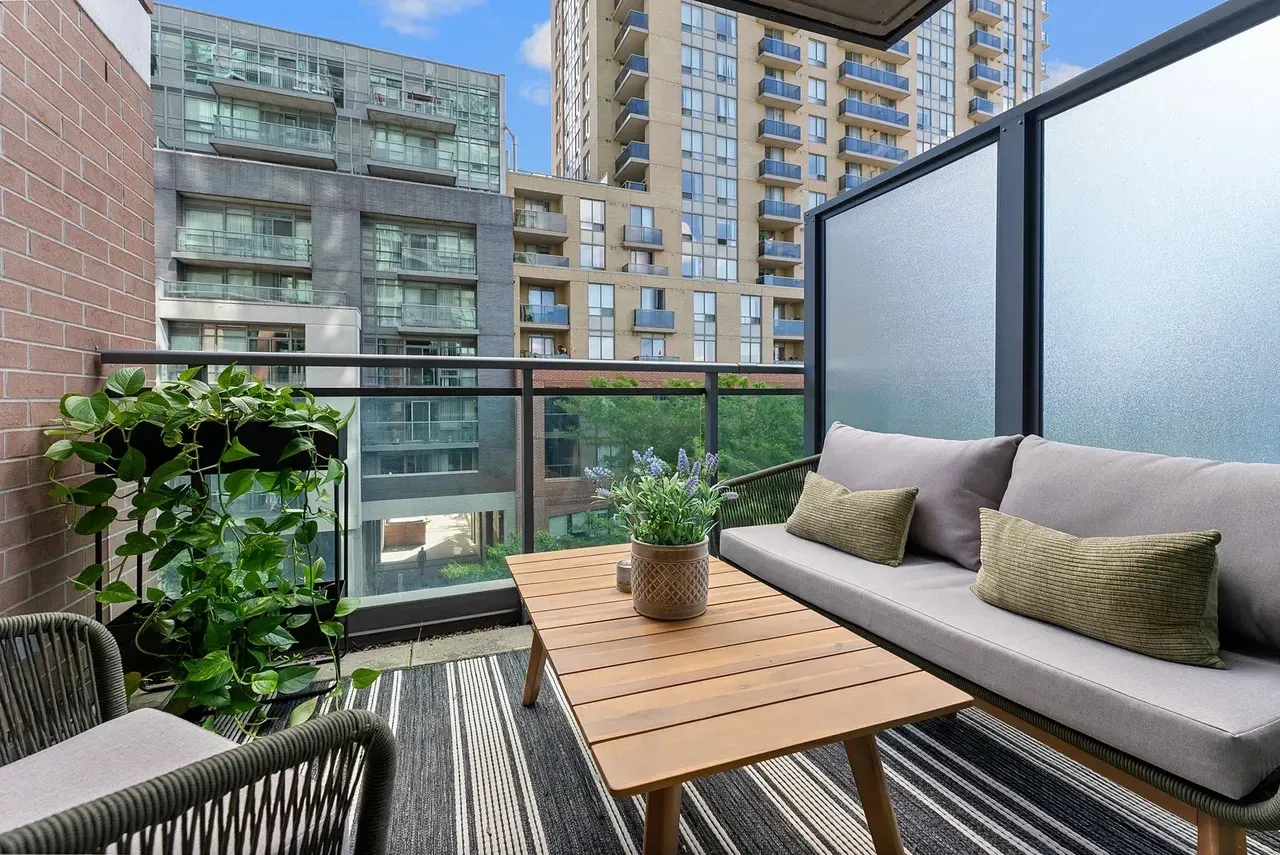
If the property includes balconies, terraces, or landscaped outdoor spaces, they should complement the refined atmosphere inside.
Keep outdoor furniture clean, comfortable, and appropriately scaled. Add a few tasteful accessories without creating visual clutter.
- Neutral outdoor cushions
- Decorative planters
- Small café table
- Soft outdoor lighting
- Weather-resistant accent rug
Furthermore, remove unnecessary storage items and keep walking areas clear. Buyers often evaluate outdoor living space as an extension of the home’s interior.
Appeal to Different Buyer Lifestyles
Luxury homes attract buyers with varying priorities. Effective staging demonstrates flexibility rather than focusing on a single lifestyle.
For example, a spare room may function as:
- Home office
- Reading room
- Fitness area
- Guest suite
- Creative workspace
Likewise, an upper-level lounge can serve as a family gathering space or an elegant entertaining area.
Consequently, buyers recognize multiple possibilities while imagining how the property could meet their own needs.
Final Preparation Before Every Showing
A consistent routine helps maintain presentation standards throughout the selling process.
Complete this checklist before buyers arrive:
- Turn on interior lighting.
- Open blinds and curtains.
- Adjust room temperature.
- Remove daily clutter.
- Empty trash bins.
- Straighten chairs and cushions.
- Wipe kitchen and bathroom surfaces.
- Polish elevator controls and mirrors.
- Check flooring for dust or debris.
- Add fresh flowers if appropriate.
These finishing touches require little time, yet they significantly improve the overall viewing experience.
Conclusion
Thoughtful staging allows homes with private elevators to present a complete luxury lifestyle rather than highlighting a single premium feature. Balanced interiors, seamless flow between floors, refined décor, and meticulous maintenance work together to create lasting impressions. Moreover, every carefully prepared space helps buyers appreciate comfort, functionality, and architectural quality. A well-staged home encourages confidence, strengthens emotional appeal, and positions the property more effectively in a competitive real estate market.
FAQs
1. Why should a private elevator receive special attention during staging?
A private elevator serves as both a practical feature and a luxury element. Keeping it spotless and surrounding it with coordinated décor helps buyers view it as an elegant part of the home’s design rather than simply a transportation feature.
2. Which colors work best when staging luxury homes?
Neutral colors such as white, beige, taupe, soft gray, and warm earth tones appeal to the widest range of buyers. These shades brighten rooms, create visual continuity, and allow architectural details to remain the primary focus.
3. Should every floor follow the same decorating style?
Yes. Consistent colors, finishes, and decorative elements create a cohesive appearance throughout the property. Small variations add character, but every level should feel connected to reinforce the home’s luxury appeal.
4. How much furniture should remain in each room?
Use only enough furniture to define the room’s purpose while maintaining open walkways. Proper spacing makes rooms appear larger and helps buyers appreciate both functionality and architectural proportions.
5. Why is lighting important during home staging?
Layered lighting brightens interiors, highlights premium finishes, and creates a welcoming atmosphere. Combining natural light with carefully placed fixtures also improves photography and enhances buyer impressions during viewings.
6. What personal items should homeowners remove?
Remove family photographs, trophies, personalized decorations, children’s artwork, and visible personal care products. Neutral spaces help buyers imagine their own belongings in the home without unnecessary distractions.
7. How should storage areas be prepared?
Organize closets, cabinets, and storage rooms neatly while leaving extra space visible. Buyers often inspect storage closely, and tidy areas suggest that the home offers generous capacity and has been well maintained.
8. Can outdoor spaces influence buyer decisions?
Yes. Well-presented balconies, patios, and terraces extend the home’s living space. Clean furniture, healthy plants, and uncluttered layouts encourage buyers to appreciate the property’s outdoor lifestyle opportunities.
9. What is the biggest staging mistake in luxury properties?
Overdecorating often reduces visual impact. Excessive furniture and accessories make rooms feel smaller and distract buyers from premium architectural features. Simplicity usually creates a stronger and more sophisticated presentation.
10. How does professional staging support a successful sale?
Professional staging enhances room flow, improves visual balance, highlights luxury features, and creates inviting spaces that appeal to a broader audience. Careful presentation strengthens first impressions and can encourage greater buyer interest throughout the selling process.