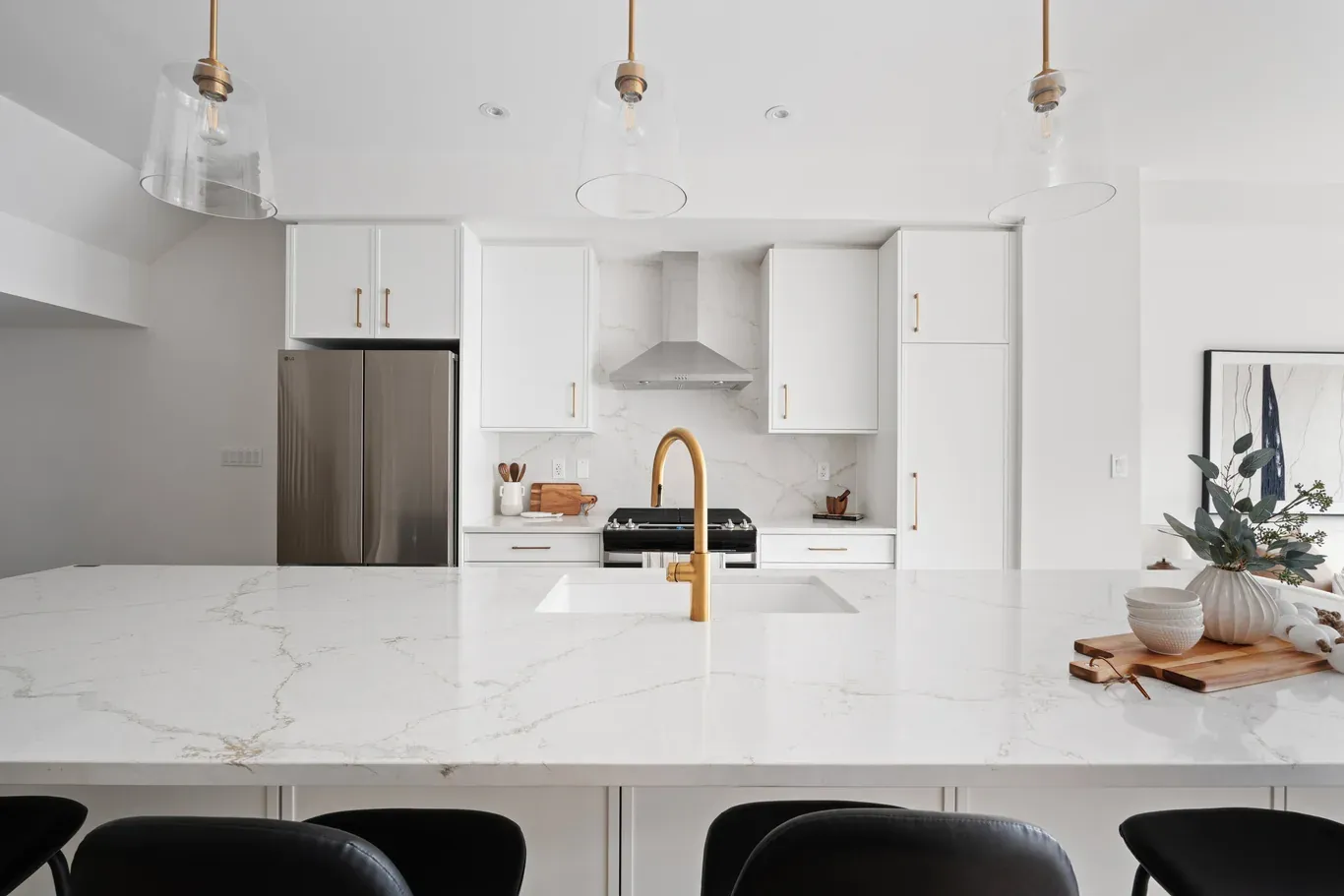
Real estate agents may recommend home staging because thoughtful presentation can help buyers see a property’s layout, room functions, light, scale, and permanent features more clearly. Staging may also improve listing photographs and create a more orderly viewing experience. However, it remains an optional marketing consideration rather than a requirement for every home. A suitable recommendation should reflect the property’s condition, likely audience, occupancy, budget, timing, and seller preferences. Accurate representation, essential repairs, safety, privacy, and legal obligations must always take priority over cosmetic presentation.
What Role Does an Agent Have in Property Presentation?
An agent may assess presentation as part of preparing a property for the market. The purpose is to identify avoidable distractions and discuss reasonable improvements, not to judge the seller’s lifestyle or act as a staging provider.
Assessing the Property Before Marketing
A pre-listing assessment can identify issues that may weaken photographs or make rooms difficult to interpret. Common examples include oversized furniture, unclear room functions, blocked windows, poor lighting, crowded entrances, visible maintenance concerns, and inconsistent presentation between connected spaces.
The agent should distinguish permanent property characteristics from temporary household arrangements. A compact bedroom remains compact regardless of styling, but suitable furniture placement may show its usable dimensions more clearly. Similarly, decluttering cannot change an awkward layout, although it may reduce distractions that prevent buyers from examining that layout properly.
Applying Relevant Market Knowledge
Agents regularly review competing listings, buyer expectations, neighbourhood housing types, and common property features. Consequently, they may recognize presentation issues that an owner no longer notices through daily familiarity.
Market knowledge should inform rather than dictate the recommendation. A condominium aimed at urban professionals may need a different presentation from a detached family home, rural property, or redevelopment opportunity. Moreover, demand, price, condition, season, and competition can affect whether staging deserves significant attention.
Separating Advice from Staging Work
Recommending staging means explaining why certain presentation changes may support marketing. It does not mean that the agent must arrange furniture, select decoration, manage contractors, or guarantee the quality of third-party work.
Clear boundaries protect everyone involved. An agent can identify a dark entrance, for example, and suggest improving illumination without claiming specialist lighting knowledge. Where electrical, structural, accessibility, or safety-sensitive changes arise, qualified assistance and required approvals may become necessary.
Preserving Seller Control
The seller should decide whether to stage, how extensively to proceed, and what budget feels acceptable. An agent can outline options and likely marketing implications, but pressure undermines informed consent.
If a seller declines staging, the agent can discuss smaller alternatives such as cleaning, furniture editing, better lighting, or photography preparation. The parties should record agreed actions, responsibilities, access arrangements, and deadlines so expectations remain clear before the listing launches.
How Can Staging Influence First Impressions?
Buyers often encounter a property through photographs, a digital listing, or the entrance. Staging can shape that initial impression by improving visual order, although it cannot determine how every buyer will respond.
Reducing Competing Visual Information
Excess belongings can direct attention away from flooring, windows, storage, room dimensions, and architectural details. Personal collections, crowded counters, visible paperwork, and numerous decorative styles may make photographs difficult to read.
Selective editing creates visual breathing room. However, removing everything can leave an occupied home feeling uncomfortable or artificial. A balanced approach retains enough furniture and character to communicate residential use while reducing items that compete with the property itself.
Clarifying Scale and Function
Appropriately sized furniture gives buyers a practical reference for room dimensions. An empty bedroom may appear larger to one viewer but smaller or harder to assess to another. A bed, side table, and clear walking route can demonstrate how the room functions without implying that only one arrangement is possible.
Staging can also define an ambiguous space. For example, a compact nook may read more clearly as a study area when it contains a slim desk and suitable lighting. Nevertheless, the arrangement must not obstruct circulation or exaggerate usable capacity.
Creating a Welcoming Entrance
The entrance introduces the home’s condition and organization. Excess shoes, coats, parcels, or bulky furniture can restrict movement and create an unsettled first impression.
A clean door, clear threshold, proportionate mat, working light, and controlled storage may improve the arrival. Outdoor steps, railings, pathways, and seasonal surfaces should remain safe and unobstructed. Decorative additions should never narrow an exit or interfere with accessibility.
Supporting Emotional Appeal Responsibly
Colour, light, texture, and order can create a comfortable atmosphere. Emotional appeal may encourage buyers to spend more time considering a property, but it should complement accurate information rather than replace it.
Staging must not conceal defects, odours, moisture, damage, or permanent limitations. Buyers need an honest opportunity to evaluate the residence. Attractive presentation and truthful representation can coexist when styling highlights genuine features without manufacturing false ones.
Why Does Staging Matter for Listing Photography?
Listing photographs often provide the first detailed view of a property. Staging may help photographs communicate layout and condition with fewer distractions, but photographic accuracy remains essential.
Improving Visual Composition
Furniture placement can establish a focal point and create stronger lines through a photograph. A clear route towards a window, fireplace, or adjoining room helps viewers interpret depth and connection.
Balanced composition does not require perfect symmetry. Instead, furniture, rugs, artwork, and accessories should relate to the room’s scale. Removing one oversized chair or repositioning a table may improve the frame more effectively than adding several decorative objects.
Managing Light and Window Treatments
Clean windows, fully opened curtains, consistent bulbs, and layered lighting can reveal surfaces more evenly. Reflective materials may redirect light, although mirrors require careful placement to avoid showing equipment, clutter, or unrelated spaces.
Agents and sellers should examine each likely camera angle before photography. They can then remove temporary distractions, straighten textiles, clean reflective surfaces, and correct harsh shadows. However, lighting adjustments should not misrepresent the property’s actual exposure or permanent window conditions.
Maintaining Consistency Across Images
Photographs should present connected rooms with compatible colours, lighting, and levels of preparation. A polished living room beside a visibly crowded dining area can make the listing feel inconsistent.
Consistency also affects seasonal presentation. Exterior and interior images should reasonably reflect the property during the listing period unless the listing explains otherwise. Meanwhile, room names, dimensions, floor plans, and visual content should align so buyers do not receive conflicting information.
Recognizing the Limits of Virtual Staging
Virtual staging adds digital furnishings to photographs of vacant or sparsely furnished rooms. It may illustrate one possible layout without transporting physical furniture, but it cannot improve the experience of an in-person viewing.
Digitally added items should remain proportionate and should not cover defects or alter permanent features. Appropriate disclosure helps buyers distinguish modified images from the property’s physical condition. Agents should also retain unaltered images where required and verify applicable brokerage, platform, and local rules.
How Can Staging Help Buyers Read the Space?
Staging can organize visual information so buyers identify room purposes, circulation routes, and relationships between adjoining areas. This benefit matters particularly in compact, vacant, open-plan, or unusually shaped homes.
Defining Ambiguous Rooms
An unusual alcove, narrow room, or open landing may leave buyers uncertain about possible use. A limited furniture arrangement can demonstrate scale and function without presenting that arrangement as the only option.
The proposed use must remain credible. A space without suitable access, ventilation, safety features, or legal status should not appear as a bedroom merely because a bed fits inside. Similarly, staging should never imply storage, accessibility, or capacity that the property does not provide.
Improving Traffic Flow
Clear walking routes help visitors move through the home without squeezing around furniture. They also allow buyers to observe flooring, doors, windows, and connections between rooms.
Staging should keep the following areas open:
- Main and secondary exits
- Interior door swings
- Windows needed for access or ventilation
- Stairs and changes in floor level
- Heating and cooling equipment
- Electrical panels and controls
- Safety devices and emergency equipment
- Accessible routes used by household members
Furniture should support movement rather than create an attractive but impractical photograph.
Establishing Furniture Scale
A proportionate arrangement can indicate whether a living room accommodates conversational seating or whether a dining area allows chairs to move comfortably. Nevertheless, oversized furniture may make adequate rooms seem restricted, while unusually small pieces may exaggerate space.
Agents should focus on ordinary, credible use. Clear floor area around furniture provides useful context, while visible access to closets and doors helps buyers judge function. Measurements and floor plans should supplement visual presentation where available.
Connecting Open-Plan Areas
Open-plan layouts can appear undefined when living, dining, and kitchen functions merge without visual cues. Rugs, furniture orientation, lighting, and restrained colour repetition may establish zones while preserving continuity.
Avoid constructing artificial divisions with bulky shelving or high-backed furniture. Such pieces can block light and shorten sightlines. Instead, position furnishings so each zone remains identifiable from the principal entrance and relates naturally to adjoining areas.
How Can Staging Support Seller Preparation?
Staging provides a framework for organizing listing preparation, although many useful changes involve maintenance and household management rather than decoration. The best starting point usually involves cleanliness, safety, and clarity.
Decluttering Without Erasing Daily Life
Decluttering should remove visual distractions while respecting the needs of an occupied household. Sellers can work by category, beginning with paperwork, surplus kitchen items, seasonal clothing, toiletries, toys, and decorative collections.
Frequently used belongings need accessible storage. Packing every daily item may create frustration and cause clutter to return before viewings. Therefore, practical containers, labelled internal storage, and a simple reset routine often work better than an unrealistic expectation of perfect emptiness.
Cleaning and Addressing Minor Repairs
Clean windows, floors, fixtures, cabinetry, appliances, and reflective surfaces present the property more clearly. In addition, repairing loose handles, damaged switch plates, failed bulbs, or visibly worn finishes may prevent small defects from distracting buyers.
Cosmetic staging does not replace necessary repair work. Sellers should address safety issues, water intrusion, electrical concerns, structural damage, and required disclosure separately. Covering a problem with furniture, rugs, paint, or decorative objects creates ethical and potentially legal concerns.
Editing Furniture and Decoration
Removing duplicate, damaged, or oversized pieces can reveal floor area and improve circulation. However, sellers do not need to replace every item or adopt a completely neutral personal style.
A practical furniture review can ask:
- Does each piece serve a clear purpose?
- Does it suit the room’s dimensions?
- Does it block light, doors, or movement?
- Does it dominate listing photographs?
- Can another room use it more effectively?
- Would removal leave the room unclear or uninviting?
The answers should reflect the property rather than a fixed staging formula.
Protecting Privacy and Security
Listing preparation should include removing personal documents, financial records, prescription medicines, identification, valuables, keys, calendars, and photographs that reveal sensitive information.
Digital displays and smart-home screens may also expose private details. Secure these items before photography and viewings. Moreover, establish arrangements for children, pets, mobility equipment, and essential household possessions without compromising safety, dignity, or daily routines.
Preparing Exterior and Storage Areas
Entrances, balconies, patios, porches, yards, and garages contribute to the viewing experience. Clear waste, damaged containers, unused equipment, and seasonal clutter while preserving required access and functional storage.
Buyers may examine closets and built-in cabinetry, so reasonable organization helps reveal capacity. Sellers should not feel compelled to empty every cupboard. Instead, remove surplus contents, keep stored items orderly, and avoid creating unsafe stacks solely to clear visible rooms.
Which Staging Options May an Agent Discuss?
Staging can range from seller-led preparation to physical furnishing of a vacant property. An agent should explain the distinctions neutrally, including effort, disruption, general cost implications, and limitations.
Seller-Led Preparation
Seller-led preparation uses existing furniture and household items. The seller handles cleaning, decluttering, rearrangement, and modest cosmetic changes according to an agreed plan.
This option may suit an occupied home that already contains proportionate furnishings. It usually requires time and consistent upkeep between viewings. However, it allows the seller to control spending and preserve normal household function.
A Written Room-by-Room Checklist
A checklist records specific tasks for each space, such as clearing a countertop, replacing a failed bulb, moving one chair, or organizing an entrance.
Written instructions reduce ambiguity and help households divide responsibilities. The list should separate essential repairs from optional presentation ideas, identify deadlines, and respect tenancy, accessibility, privacy, and budget constraints. Agents and sellers can review completion before photography.
A One-Time Independent Consultation
An independent consultation generally provides property-specific observations without necessarily supplying furniture or completing the work. The seller may then implement some, all, or none of the suggestions.
Before purchasing assistance, sellers should clarify the scope, fee, deliverables, cancellation conditions, and independence of any referral. A consultation still requires judgment because suggested purchases or changes may not offer sufficient practical value for every listing.
Partial or Photography-Only Styling
Partial staging concentrates on selected rooms or supplements suitable existing furnishings. Photography-only styling focuses on the arrangement visible during the image session, while the property may return to a more practical occupied state afterward.
These approaches may suit limited budgets or homes with a few weak presentation areas. Nevertheless, the physical viewing should remain reasonably consistent with the listing images. Major differences can create disappointment or confusion.
Full and Vacant-Property Staging
Full staging may furnish and decorate much of a vacant property. It can clarify scale and function, particularly where empty rooms appear difficult to interpret.
This option usually involves greater expense, access coordination, delivery, installation, insurance considerations, and responsibility for damage. Furniture must not overcrowd compact rooms or create misleading capacity. Sellers should compare the likely presentation value with their budget, timing, and marketing plan.
Occupied-Home Staging
Occupied-home staging works with residents, existing belongings, schedules, and practical needs. It may involve editing furniture, creating storage routines, adjusting room functions, and preparing repeatable viewing arrangements.
Recommendations must respect children, pets, disability-related equipment, cultural practices, shift work, remote work, and other household circumstances. A home must remain safe and liveable throughout the listing period.
Virtual Staging
Virtual staging can show potential furniture placement in images while leaving the physical property vacant. It may suit difficult access arrangements or situations where physical installation offers limited value.
However, buyers will still encounter an empty property during viewings. Digital furnishings require realistic scale, appropriate disclosure, and careful editing. Virtual changes should never remove defects, modify architecture, replace views, or imply unavailable finishes.
Low-Cost Cosmetic Preparation
Low-cost preparation prioritizes cleaning, minor permitted repairs, lighting, decluttering, furniture editing, and entrance presentation. It may deliver sufficient clarity without renting furnishings or making extensive purchases.
Reusing suitable textiles, artwork, lamps, and containers can control spending. An agent should identify the most visible concerns rather than create a long decorative shopping list. Essential property work and safe access remain the first priorities.
How Should Recommendations Vary by Property Type?
Different properties present different marketing questions. Staging should respond to actual layout, occupancy, condition, location, and likely buyer needs rather than property labels alone.
Condominiums and Small Urban Homes
Compact properties benefit from proportionate furniture, visible storage, unobstructed windows, and clearly defined multifunctional zones. Oversized sectionals, deep tables, or bulky workstations may conceal usable floor area.
Local conditions matter as well. Decisions about home staging in Toronto may reflect condominium rules, elevator reservations, winter daylight, neighbouring towers, limited storage, and delivery access. These practical factors can affect whether physical furnishings justify their cost and disruption.
Detached Houses and Townhouses
Larger homes may require consistency across several floors, entrances, and outdoor spaces. Sellers can prioritize the main living area, kitchen, primary bedroom, and spaces that distinguish the property.
Townhouses often need clear vertical circulation and uncluttered landings. Detached houses may require additional attention to garages, yards, basements, or secondary rooms. However, furnishing every room fully may add cost without improving buyers’ ability to assess it.
Vacant and Newly Built Properties
Vacant rooms expose finishes and condition clearly, but buyers may struggle to judge dimensions or imagine functions. Limited physical or virtual staging may provide scale where the layout lacks obvious cues.
New builds should not use styling to obscure incomplete work, construction defects, or differences between model imagery and the property offered. Accurate specifications, plans, and disclosures remain essential.
Tenanted and Owner-Occupied Homes
Tenanted properties require respectful access, clear communication, privacy protection, and compliance with applicable tenancy arrangements. Staging requests should remain reasonable and should not transfer unfair cost, labour, or disruption to occupants.
Owner-occupied homes may allow greater flexibility, although daily routines still matter. In either case, sellers and agents should agree on notice, photography, storage, pets, security, and restoration after viewings.
Older, Luxury, and Entry-Level Homes
Older homes may benefit from presentation that highlights genuine character while keeping maintenance needs visible. Luxury properties may require a highly consistent visual standard, yet elaborate styling still cannot guarantee buyer approval.
Entry-level homes often benefit from modest, practical preparation that supports affordability. Spending should align with the seller’s circumstances and listing strategy rather than assumptions about what a market segment expects.
Low-Light and Winter Listings
Homes with limited daylight need clean windows, open treatments, coordinated bulbs, and layered lighting. Winter listings may also require safe exterior routes, controlled entryway moisture, and photographs scheduled around useful daylight.
Agents should test the property at the expected viewing time. Excessively bright artificial lighting can feel harsh, while dark corners may conceal useful space. Balanced illumination should clarify the home without misrepresenting its natural exposure.
What Marketing Benefits May Staging Provide?
Staging may improve visual communication across photographs, digital materials, and viewings. Its value varies, so agents should describe possible benefits without predicting a sales outcome.
Strengthening Listing Presentation
A coordinated property may produce cleaner photographs and more consistent marketing materials. Buyers can identify room functions quickly and focus on permanent features rather than household clutter.
Staging may also help a listing compete for attention among visually similar properties. However, price, location, condition, demand, timing, and buyer priorities can carry greater influence. Presentation represents one component of the marketing decision, not an independent guarantee.
Supporting More Orderly Viewings
Clear routes and edited surfaces allow visitors to move through the home comfortably. A defined layout may also help buyers discuss furniture placement, storage, and daily use.
Nevertheless, staging cannot ensure a positive reaction. Some buyers prefer vacant spaces, while others respond differently to colour or decoration. Agents should therefore emphasize clarity and function rather than assuming one aesthetic will appeal universally.
Highlighting Genuine Features
Furniture orientation, lighting, and controlled accessories can direct attention towards a fireplace, window, ceiling height, flooring, or useful connection between rooms.
The technique should reveal rather than manufacture value. For example, placing seating near a window can emphasize the outlook, but digitally changing that outlook would misrepresent the property. Accurate measurements and descriptions remain necessary.
When May Staging Offer Limited Value?
Staging may provide little practical benefit when more important property, timing, or market factors dominate the sale. Recognizing these limits prevents unnecessary spending and disruption.
When Repairs and Safety Take Priority
Substantial defects, incomplete work, unsafe systems, or serious maintenance problems require attention before decoration. Furniture and accessories cannot compensate for compromised safety or unresolved condition concerns.
Sellers should allocate funds according to necessity. Required repairs, truthful disclosure, secure access, appropriate pricing, and legal obligations take priority. If the available budget cannot cover both repairs and staging, presentation may need to remain limited.
When the Property Already Presents Clearly
A clean, well-maintained, neutrally arranged home with proportionate furniture may need only minor adjustments. Adding rented items could introduce unnecessary cost or make rooms feel less authentic.
Agents should identify a specific problem before recommending a solution. If photographs already show room function, light, scale, and condition clearly, extensive staging may provide limited additional value.
When Land or Development Potential Dominates
Some buyers focus primarily on location, lot characteristics, redevelopment possibilities, or major renovation plans. Interior styling may hold less relevance in such circumstances.
Still, the property should remain safe, accessible, clean, and accurately presented. The likely audience and marketing approach should determine whether modest preparation offers enough value to justify the effort.
When Access, Timing, or Occupancy Creates Constraints
Urgent listing schedules may not allow furniture delivery or extensive preparation. Similarly, tenancy arrangements, mobility needs, household disruption, and limited building access may make physical staging impractical.
Virtual presentation or a concise preparation checklist may offer alternatives, but neither must mislead buyers. A seller may also decide that listing promptly matters more than achieving a highly controlled visual presentation.
How Should Sellers Evaluate Costs and Priorities?
A realistic preparation budget separates essential property work from optional styling. This distinction helps sellers avoid spending driven by fear or unsupported promises.
Prioritizing Visible and Necessary Work
Start with safety, repairs, cleanliness, odour control, working lights, and clear access. Then assess whether decluttering, furniture changes, or modest decoration could improve presentation.
High-visibility areas often include:
- The main entrance
- The primary living space
- The kitchen
- The primary bedroom
- The principal bathroom
- Important outdoor or flexible areas
The final priorities should reflect the property’s distinguishing features and likely audience.
Setting a Spending Limit
Sellers should establish an amount they can comfortably spend without assuming reimbursement through the sale. They can compare each proposed expense with the presentation problem it aims to solve.
Reusing suitable furniture and accessories may reduce cost. Furthermore, sellers should avoid buying items that lack a clear purpose after the listing. Written third-party information should clarify fees, scope, taxes, delivery, cancellation, insurance, access, and responsibility for damage.
Respecting a Decision to Decline
A seller may decline staging because of cost, timing, personal circumstances, disruption, or a different assessment of value. Agents should respect that decision and continue discussing feasible listing preparation.
Declining full staging does not prevent smaller improvements. Cleaning, accurate photography, minor repairs, and clear property information remain available. An agent should never imply that an unstaged home cannot sell.
How Can Agents Discuss Staging Respectfully?
Respectful communication focuses on marketing observations rather than personal taste. Specific explanations help sellers evaluate recommendations without feeling criticized inside their own home.
Use Objective, Property-Focused Language
Instead of describing a room as unattractive, explain the visible issue and its likely effect on marketing. For example: “The cabinet blocks part of the window in photographs; moving it may reveal more natural light.”
Other respectful observations include:
- “Removing one chair may create a clearer route to the balcony.”
- “A simpler countertop arrangement could show more preparation space.”
- “This room’s purpose may not appear immediately in photographs.”
- “The dark corner may need another light during evening viewings.”
- “Keeping the bed may help buyers judge the room’s scale.”
These statements explain practical reasons without criticizing personal choices.
Offer Different Levels of Preparation
Agents can distinguish essential work, helpful low-cost changes, and optional extensive staging. This structure gives sellers control over effort and spending.
Cultural preferences, disability needs, family routines, religious practices, finances, and sentimental belongings may shape the decision. Agents should ask relevant questions, protect privacy, and allow reasonable decision time rather than presenting one rigid standard.
Record and Reassess Agreed Actions
A written list should identify tasks, responsibility, timing, access, and any items that will move temporarily. This record reduces misunderstanding before photography or viewings.
After preparation, the agent and seller can reassess the property from doorways and likely camera positions. If a change creates clutter, restricts movement, or fails to improve clarity, they can revise it without treating the original recommendation as fixed.
What Makes a Referral Ethical and Transparent?
A referral should expand the seller’s options without creating pressure or concealing a financial relationship. Sellers must remain free to select another provider, seek further information, or decline outside assistance.
Disclose Relevant Relationships
Agents should disclose referral fees, commissions, ownership interests, reciprocal arrangements, or other material connections according to applicable requirements. Hidden financial interests can compromise trust and informed choice.
Where practical, presenting more than one suitable option may help sellers compare scope and conditions. However, agents should not make unsupported claims about performance. Sellers should verify local brokerage, disclosure, professional, and referral requirements where relevant.
Clarify Scope and Responsibility
Before purchasing third-party assistance, sellers should obtain clear information covering:
- Work included and excluded
- Fees, taxes, and payment timing
- Delivery and removal arrangements
- Cancellation and extension conditions
- Insurance and responsibility for damage
- Property access and key control
- Treatment of personal information
- Furniture ownership and care
- Restoration after removal
- Procedures for complaints or changes
These details support informed decisions without guaranteeing satisfaction or results.
Protect Boundaries and Seller Information
An agent should share only information necessary for the referral and should obtain appropriate consent. Access codes, schedules, personal circumstances, and property-security details require careful handling.
The seller may choose a provider independently. Consequently, the agent should avoid tied arrangements or statements suggesting that the listing depends on accepting a referral. Professional boundaries remain important throughout preparation, installation, viewings, and removal.
How Can Agents and Sellers Decide Whether Staging Fits?
A structured assessment helps the parties weigh likely presentation value against cost, disruption, timing, and the risk of misrepresentation. No single answer applies to every listing.
Apply a Practical Decision Framework
Consider the following questions:
- Does the property need essential repairs first?
- Do current furnishings obscure room size or function?
- Will the home remain occupied during marketing?
- Can photographs show the layout clearly?
- Does the likely audience need help interpreting unusual spaces?
- Are lighting and colour creating avoidable distractions?
- What preparation budget can the seller afford comfortably?
- How much time exists before photography and listing?
- Could staging interfere with accessibility or household routines?
- Do building or tenancy restrictions limit changes?
- Would physical or digital presentation create unrealistic expectations?
- Does local competition make visual differentiation relevant?
- Which rooms deserve priority?
- Does the seller support the proposed approach?
A clear problem, proportionate response, and informed seller decision should support any recommendation.
Choose the Least Disruptive Effective Option
If decluttering and rearrangement solve the main concerns, full furnishing may add little value. Conversely, a vacant property with confusing proportions may benefit from carefully selected physical or digital furniture.
The recommendation should remain flexible. Agents and sellers can begin with essential preparation, review photographs, and consider further changes only if a significant presentation problem remains. This measured process limits unnecessary spending and preserves seller control.
Conclusion
Real estate agents may recommend staging when it can clarify layout, improve photographs, reduce distractions, and support an orderly viewing experience. However, the recommendation should reflect the property’s condition, audience, occupancy, timing, budget, and marketing plan. Sellers must retain control over the decision and any expenditure. Essential repairs, safety, privacy, accessibility, accurate information, and truthful visual representation remain more important than decoration. A proportionate, transparent approach allows staging to support residential marketing without turning it into a requirement or promising a particular sale result.
FAQs
Should every real estate agent recommend staging?
No, agents should recommend staging only when it addresses identifiable presentation concerns. A clean, orderly property with clear room functions may require little additional preparation. Condition, occupancy, budget, timing, likely buyers, photography needs, and seller preferences should determine whether staging offers enough practical value to justify it.
Does staging guarantee that a home will sell faster?
No, staging cannot guarantee a faster sale or any other transaction outcome. Location, condition, asking price, demand, competition, financing, timing, and buyer preferences also influence results. Staging may support photographs and viewings, but agents should describe that possibility carefully rather than predicting speed, offers, or financial returns.
Who normally pays for home staging?
Payment arrangements vary, so sellers should establish responsibility before authorizing any work. They should obtain written information about fees, taxes, delivery, removal, extensions, cancellation, insurance, and possible damage. An agent should disclose relevant financial relationships and avoid implying that a seller must accept a particular arrangement.
Can sellers stage a property without professional assistance?
Yes, sellers can prepare a property by cleaning, decluttering, completing permitted minor repairs, editing furniture, improving lighting, and organizing storage. A room-by-room checklist can keep the work manageable. Sellers should avoid unsafe alterations, protect private belongings, and seek appropriate assistance when electrical or structural concerns require it.
Is staging useful for a vacant property?
Staging can help some buyers interpret the scale and purpose of vacant rooms, especially when the layout appears unusual. However, physical furniture introduces cost, access, insurance, and removal considerations. Virtual furnishings may support images, but they require appropriate disclosure and cannot improve the experience of an empty physical viewing.
What is the difference between physical and virtual staging?
Physical staging places actual furniture and accessories inside the property, affecting photographs and in-person viewings. Virtual staging adds digital furnishings to images while leaving rooms unchanged. Digital alterations should remain realistic, receive suitable disclosure, and never remove defects, change architecture, replace views, or misrepresent the property’s physical condition.
How should agents discuss staging without offending sellers?
Agents should focus on observable marketing issues rather than criticizing personal taste. Specific wording such as “moving this cabinet may reveal more window light” explains the purpose respectfully. They should offer different preparation levels, recognize household circumstances, separate necessary repairs from optional styling, and give sellers control over decisions.
Which rooms should sellers prioritize when time or money is limited?
Sellers should prioritize spaces that shape arrival, photographs, and the property’s main functions. These often include the entrance, principal living area, kitchen, primary bedroom, and main bathroom. However, an unusual layout or distinctive outdoor area may justify different priorities, depending on condition, likely buyers, and marketing emphasis.
Can staging hide defects or required repairs?
No, staging should never conceal damage, moisture, odours, unsafe conditions, or material property features. Cosmetic presentation differs from repair, renovation, inspection, and disclosure. Sellers should address necessary work appropriately and meet applicable obligations. Furniture, rugs, paint, lighting, or digital editing must not obstruct or disguise relevant concerns.
What should sellers consider before accepting a staging referral?
Sellers should consider whether the referral remains optional and whether any financial relationship has been disclosed. Written information should explain scope, fees, access, cancellation, insurance, damage responsibility, privacy, delivery, and removal. Sellers may compare alternatives, select an independent provider, or decline assistance without facing pressure about the listing.