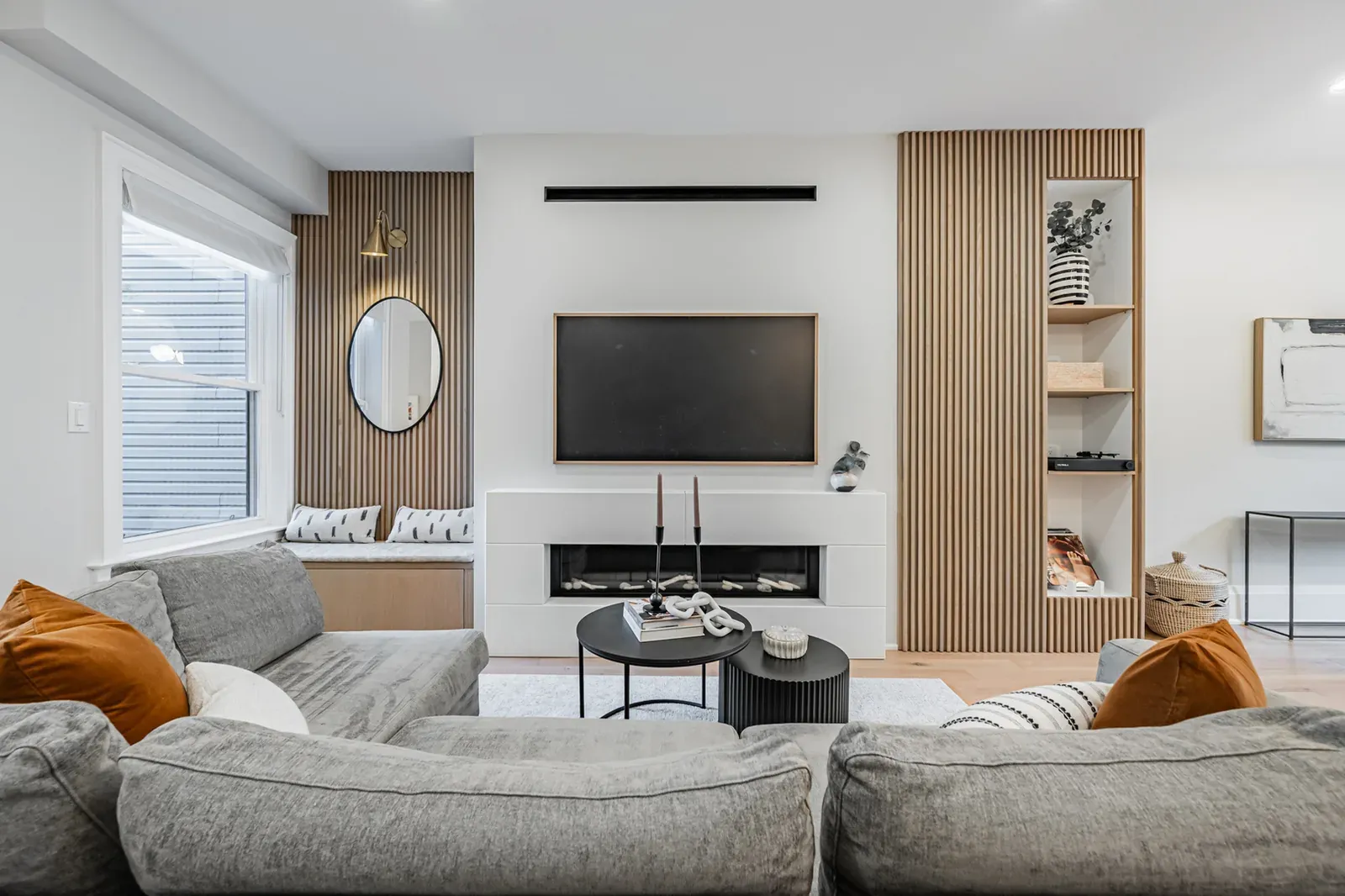
Furniture defines the character of a luxury property. While architecture creates structure, furniture brings identity and purpose to each space. Carefully chosen pieces communicate refinement, comfort, and intention. As a result, buyers perceive the property as cohesive and thoughtfully curated.
Moreover, luxury spaces demand more than functional furniture. They require pieces that align with scale, proportion, and aesthetic harmony. In contrast, poorly selected items can disrupt the flow and diminish perceived value. Therefore, furniture choices play a central role in shaping how a property feels and functions.
Scale and Proportion as Foundational Elements
Luxury interiors often feature expansive layouts, high ceilings, and open concepts. Furniture must complement these dimensions rather than compete with them. Oversized pieces can anchor large rooms effectively, while undersized furniture may appear insignificant.
Additionally, proportion ensures balance. A large sectional sofa can define a spacious living area, whereas delicate chairs may suit smaller corners. However, consistency in scale across rooms maintains visual continuity. Consequently, well-proportioned furniture enhances spatial clarity and reinforces elegance.
Material Selection Reflects Sophistication
Materials communicate quality instantly. In luxury properties, furniture materials should reflect durability and refinement. Natural woods, polished metals, and premium upholstery elevate the overall aesthetic.
Common material choices include:
- Solid hardwood for structural integrity
- Marble or stone accents for visual richness
- Leather upholstery for timeless appeal
- Velvet fabrics for texture and depth
- Brushed metal finishes for modern contrast
Because these materials convey craftsmanship, they influence perception positively. Moreover, they create a tactile experience that aligns with luxury expectations.
Neutral Foundations with Layered Accents
Color selection plays a critical role in furniture choices. Neutral tones provide a versatile foundation that appeals to a wide audience. Shades such as ivory, taupe, and soft gray create a calm and balanced environment.
However, layered accents add character without overwhelming the space. Cushions, throws, and occasional chairs can introduce subtle color variations. In contrast, bold or overly vibrant palettes may limit appeal. Therefore, a neutral base combined with controlled accents ensures both elegance and flexibility.
Functionality Meets Aesthetic Precision
Luxury furniture must balance beauty with purpose. Each piece should serve a clear function while contributing to the overall design. For instance, a dining table should accommodate gatherings comfortably while enhancing visual appeal.
Moreover, multifunctional furniture can add value. Storage-integrated seating or extendable tables provide practicality without compromising style. Consequently, functional design strengthens the usability of the space while maintaining sophistication.
Creating Defined Zones in Open Layouts
Open-concept layouts require thoughtful furniture placement to establish distinct zones. Without clear boundaries, large spaces may feel undefined. Furniture arrangement solves this challenge by creating purposeful areas.
Effective zoning strategies include:
- Using rugs to anchor seating arrangements
- Positioning sofas to define living areas
- Placing consoles to separate transitions
- Arranging dining furniture to mark gathering spaces
As a result, each zone gains identity. Consequently, buyers can interpret the layout easily and appreciate the property’s functionality.
Statement Pieces That Capture Attention
Luxury interiors often benefit from statement furniture. These pieces serve as focal points and elevate the overall design. A sculptural chair, an oversized coffee table, or a distinctive headboard can create visual interest.
However, balance remains essential. Statement pieces should complement the space rather than dominate it. In contrast, excessive focal elements may create visual clutter. Therefore, selecting one or two impactful pieces per room ensures harmony.
Comfort as a Core Luxury Element
Comfort plays a significant role in defining luxury. Furniture should invite relaxation while maintaining a refined appearance. Plush seating, ergonomic designs, and soft upholstery contribute to this experience.
Additionally, comfort enhances emotional connection. Buyers often respond positively to spaces that feel welcoming and livable. Consequently, comfortable furniture strengthens perception and encourages longer engagement during viewings.
Consistency Across Interior Spaces
Consistency creates a seamless experience throughout the property. Furniture styles, finishes, and colors should align across rooms. This coherence reinforces a sense of unity and sophistication.
In contrast, an inconsistent design may create confusion. Buyers may perceive the property as disjointed or incomplete. Therefore, maintaining a consistent design language ensures that each space complements the next.
Bedroom Furniture That Reflects Tranquility
Bedrooms in luxury properties should convey calmness and privacy. Furniture choices should support this atmosphere through simplicity and balance. Upholstered beds, minimal nightstands, and soft lighting contribute to a restful environment.
Moreover, spacing remains crucial. Overcrowding can disrupt tranquility. Consequently, selecting fewer but higher-quality pieces enhances both comfort and visual clarity.
Dining Spaces That Encourage Connection
Dining areas serve as social hubs within luxury homes. Furniture in these spaces should accommodate gatherings while maintaining elegance. A well-proportioned table paired with comfortable seating creates an inviting setting.
Additionally, symmetry enhances visual appeal. Matching chairs and balanced arrangements contribute to a refined look. As a result, the dining area becomes both functional and aesthetically pleasing.
Outdoor Furniture Extending Interior Luxury
Outdoor spaces play an increasingly important role in luxury properties. Furniture choices should reflect the same level of quality found indoors. Weather-resistant materials and cohesive design ensure durability and style.
Key outdoor furniture considerations include:
- Comfortable seating arrangements
- Durable materials such as teak or aluminum
- Neutral cushions with subtle accents
- Functional layouts for relaxation and entertainment
Because outdoor areas extend living space, consistent furniture quality enhances the overall property experience.
Lighting Integration with Furniture Design
Lighting and furniture work together to shape ambiance. Table lamps, floor lamps, and integrated lighting elements highlight furniture features and enhance mood.
Moreover, proper lighting placement ensures that furniture remains visually prominent. In contrast, poor lighting can diminish the impact of even high-quality pieces. Therefore, integrating lighting with furniture design strengthens overall presentation.
Storage Solutions That Maintain Elegance
Luxury properties require storage that blends seamlessly with design. Furniture with built-in storage offers practicality without compromising aesthetics. Cabinets, sideboards, and hidden compartments provide functionality.
Additionally, organized storage reduces clutter. Buyers appreciate spaces that feel clean and efficient. Consequently, elegant storage solutions contribute to both visual appeal and usability.
Customization and Personalization Balance
Customization can enhance uniqueness, yet it requires careful balance. Furniture should reflect individuality while maintaining broad appeal. Overly specific designs may limit buyer interest.
However, subtle personalization through textures or finishes can add character. Consequently, balancing customization with neutrality ensures that the property remains inviting to a wider audience.
Aligning Furniture with Architectural Style
Furniture should complement the architectural style of the property. Modern homes benefit from clean lines and minimalistic pieces, while traditional properties suit classic designs.
Moreover, alignment between architecture and furniture creates harmony. In contrast, mismatched styles can disrupt the overall aesthetic. Therefore, selecting furniture that reflects the property’s design enhances cohesion.
The Role of Professional Styling Insight
Professional styling ensures that furniture choices align with market expectations and design principles. Experts evaluate layout, scale, and aesthetics to create a cohesive environment.
For example, home staging in Toronto often incorporates furniture that reflects local preferences while maintaining universal appeal. This approach ensures that the property resonates with potential buyers effectively.
Long-Term Impact on Buyer Perception
Furniture choices influence perception beyond initial impressions. Buyers remember spaces that feel balanced, comfortable, and visually appealing. These impressions often shape decision-making.
Moreover, well-furnished properties create a sense of readiness. Buyers may perceive the home as complete and move-in ready. Consequently, furniture plays a lasting role in influencing outcomes.
Conclusion
Furniture choices define how luxury properties are perceived and experienced. Through careful selection of materials, scale, and design, furniture transforms spaces into cohesive and inviting environments.
Moreover, thoughtful placement and consistent styling enhance both functionality and visual appeal. Consequently, buyers respond positively to properties that feel refined and purposeful.
Ultimately, furniture serves as more than décor. It shapes perception, supports lifestyle, and reinforces the essence of luxury living.
FAQs
1. Why do furniture choices matter in luxury properties?
Furniture shapes the overall perception of a space. It defines style, enhances functionality, and influences emotional response. High-quality pieces create a sense of refinement, while poor choices can diminish appeal. Consequently, furniture plays a crucial role in presenting luxury properties effectively.
2. What types of materials work best for luxury furniture?
Premium materials such as hardwood, leather, marble, and velvet create a sophisticated appearance. These materials convey durability and craftsmanship. Moreover, they provide texture and depth, which enhance visual interest. Consequently, material selection significantly impacts the perceived quality of furniture.
3. How does furniture scale affect luxury interiors?
Scale ensures that furniture complements the size of the room. Oversized spaces require substantial pieces to maintain balance. In contrast, smaller items may appear out of place. Therefore, proper scaling enhances spatial harmony and improves overall presentation.
4. Should luxury properties use bold or neutral furniture colors?
Neutral colors provide versatility and broad appeal. They create a calm environment and allow buyers to imagine their own style. However, subtle accents can add character. Consequently, a balanced approach ensures both elegance and flexibility in design.
5. How important is comfort in luxury furniture selection?
Comfort remains essential in luxury design. Buyers expect furniture that feels as good as it looks. Plush seating and ergonomic designs enhance usability. Consequently, comfortable furniture strengthens emotional connection and improves overall perception of the property.
6. Can furniture placement impact property value perception?
Yes, placement affects how buyers interpret space. Strategic arrangement improves flow and highlights key features. In contrast, poor placement can make rooms feel cramped or confusing. Therefore, thoughtful positioning enhances both functionality and perceived value.
7. What role does outdoor furniture play in luxury homes?
Outdoor furniture extends living spaces and enhances lifestyle appeal. High-quality pieces create inviting areas for relaxation and entertainment. Moreover, consistency with indoor design strengthens cohesion. Consequently, outdoor furniture contributes significantly to the overall luxury experience.
8. How can furniture create defined spaces in open layouts?
Furniture arrangement helps establish distinct zones within open areas. Rugs, seating, and tables define purpose and improve organization. Consequently, buyers can interpret the layout easily, which enhances the functionality and overall appeal of the property.
9. Is custom furniture necessary for luxury properties?
Custom furniture can enhance uniqueness, but it is not always necessary. Well-selected standard pieces can achieve a refined look. However, customization should remain subtle to maintain broad appeal. Consequently, balance ensures both individuality and market relevance.
10. How does furniture influence buyer decisions?
Furniture affects both visual and emotional responses. Well-designed spaces create comfort and confidence, encouraging buyers to engage more deeply. Consequently, positive perception often leads to stronger interest and better decision-making during the purchasing process.