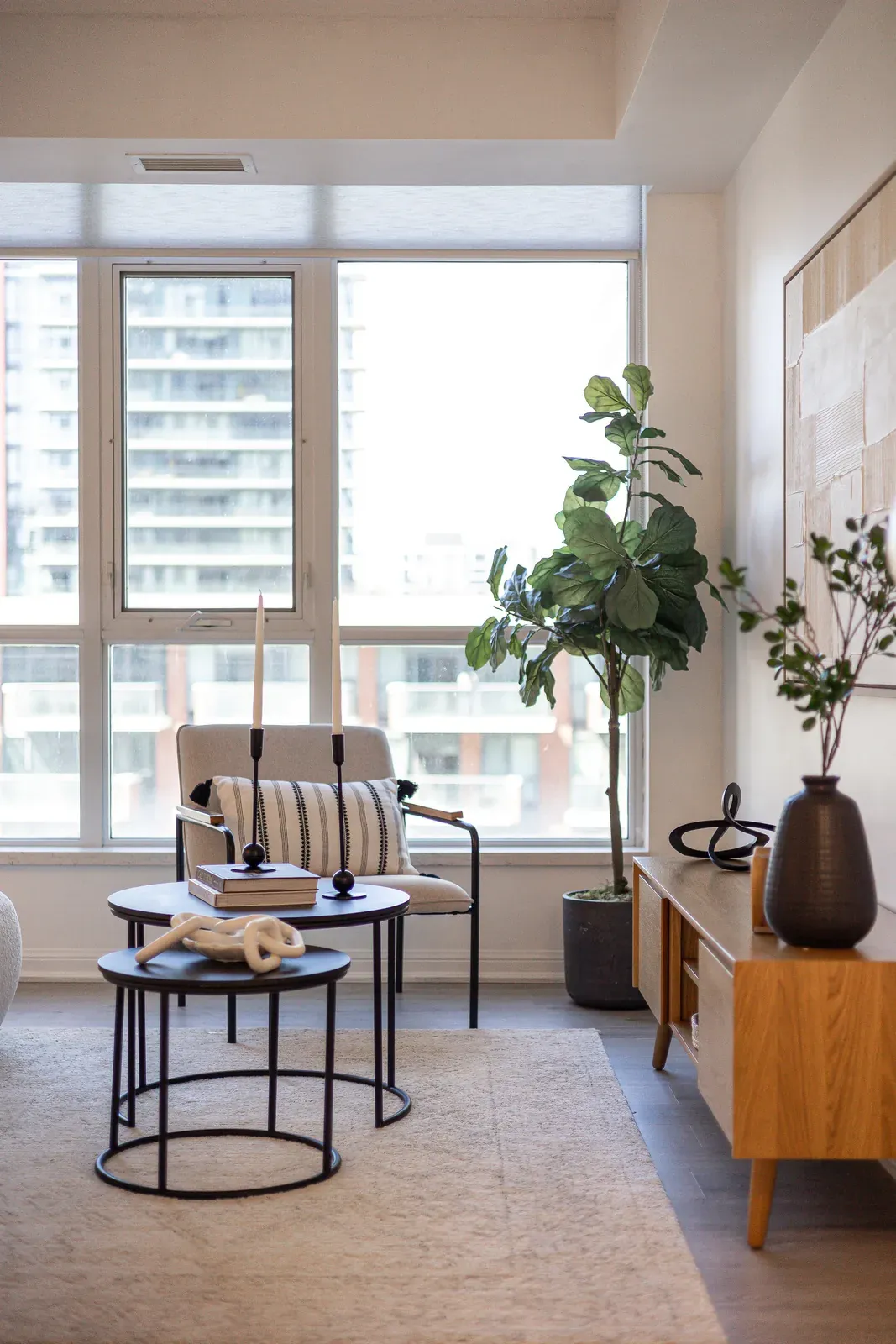
Buyer perception forms within seconds of encountering a property. Visual cues, layout clarity, and ambiance immediately influence judgment. Staging alters these elements with precision, creating a refined and welcoming environment. As a result, buyers respond differently at first glance.
Moreover, staged spaces communicate intention. Every item appears placed with purpose, which signals care and quality. In contrast, unstaged homes often leave gaps in interpretation. Consequently, staging removes uncertainty and replaces it with clarity, allowing buyers to engage more confidently.
Visual Order Replaces Uncertainty
Unstaged homes frequently present visual noise. Clutter, mismatched furniture, or empty rooms create confusion. However, staging introduces order and balance. Clean surfaces, coordinated colors, and defined layouts guide the buyer’s eye naturally.
Additionally, organized spaces appear larger and more functional. Buyers can process information quickly without distractions. Consequently, their perception shifts from uncertainty to assurance. This clarity encourages deeper interest and stronger engagement with the property.
Emotional Triggers Activate Instantly
Emotions play a central role in property decisions. Staging activates these emotions through subtle yet effective design choices. Soft textures, warm lighting, and neutral tones create a sense of comfort and belonging.
Furthermore, buyers often imagine their future within the space. A staged home supports this visualization by presenting relatable scenarios. In contrast, an empty or overly personalized space interrupts emotional flow. Therefore, staging fosters immediate connection, which significantly influences perception.
First Impressions Begin Online
Digital listings shape initial opinions before any physical visit occurs. High-quality images of staged homes capture attention more effectively. Balanced composition and inviting layouts stand out in crowded listings.
Key elements that enhance online perception include:
- Consistent color schemes
- Strategic lighting placement
- Minimal yet purposeful décor
- Clear room definitions
- Professional photography alignment
Because these elements work together, staged homes generate stronger first impressions. Consequently, buyers feel compelled to take the next step.
Space Becomes Easier to Interpret
Empty rooms often lack context. Buyers may struggle to determine how to use the space or how furniture will fit. Staging resolves this issue by providing clear visual references.
For example, a staged living area defines seating arrangements, while a furnished bedroom highlights scale. Moreover, proper placement improves flow between spaces. As a result, buyers interpret the property more easily, which strengthens their perception of functionality.
Perceived Value Rises Without Structural Change
Staging influences perceived value without altering the physical structure. Thoughtful presentation enhances the property’s appeal, making it appear more refined and complete.
Additionally, buyers often associate visual quality with overall condition. A well-staged home suggests attention to detail and proper maintenance. Consequently, buyers feel more confident about the property’s worth. This perception shift occurs quickly, often within moments of viewing.
Neutral Styling Broadens Appeal
Personal taste varies widely among buyers. Bold colors or unique décor can limit appeal. However, staging uses neutral styling to create a universally attractive environment.
Neutral palettes, simple accessories, and modern furnishings allow buyers to project their own preferences. Moreover, this approach reduces the risk of negative reactions. Consequently, more buyers feel comfortable with the space, which increases overall interest.
Lighting Enhances Mood and Perception
Lighting plays a critical role in shaping perception. Bright, well-lit spaces feel open and inviting. Staging optimizes both natural and artificial lighting to highlight key features.
For instance, sheer curtains allow sunlight to flow freely, while layered lighting adds depth. In contrast, poor lighting can make spaces appear smaller or less appealing. Therefore, effective lighting design significantly improves how buyers perceive the property.
Strategic Layout Highlights Strengths
Every property has unique strengths. Staging emphasizes these features through intentional layout choices. Furniture placement directs attention toward focal points such as windows, fireplaces, or open spaces.
Moreover, layout adjustments improve movement within the home. Buyers can navigate easily, which enhances comfort. Consequently, the property feels more functional and appealing, reinforcing a positive perception.
Removing Distractions Strengthens Focus
Distractions disrupt buyer perception. Personal items, excessive décor, or clutter can shift attention away from the property itself. Staging eliminates these elements to create a clean and focused environment.
Key benefits of removing distractions include:
- Clear visual pathways
- Improved room proportions
- Enhanced architectural visibility
- Reduced cognitive overload
Because of these improvements, buyers concentrate on the home’s features. This focused attention leads to a more favorable perception.
Psychological Comfort Encourages Engagement
Staging creates a sense of psychological comfort. Buyers feel at ease in spaces that appear organized and thoughtfully designed. This comfort encourages them to spend more time exploring the property.
Moreover, extended engagement increases familiarity. Buyers begin to visualize routines and experiences within the home. Consequently, their perception shifts from observation to connection, which strengthens interest.
Consistency Across Spaces Builds Trust
Consistency plays a vital role in shaping perception. Staging ensures that each room aligns with a cohesive design theme. Colors, textures, and styles remain balanced throughout the property.
In contrast, an inconsistent design can create confusion. Buyers may question the overall quality or maintenance of the home. Therefore, staging builds trust by presenting a unified and harmonious environment.
Immediate Impact During Showings
Physical showings provide a direct opportunity to influence perception. Staged homes create an inviting atmosphere from the moment buyers enter. Pleasant scents, balanced lighting, and organized layouts contribute to a positive experience.
Additionally, buyers often form lasting impressions during these visits. A well-staged environment reinforces the appeal seen in online listings. Consequently, perception remains consistent and strong throughout the viewing process.
Competitive Advantage in Buyer Attention
Real estate markets often feature numerous listings. Staging helps a property stand out by enhancing its visual appeal. Buyers naturally gravitate toward homes that appear polished and well-presented.
Moreover, a memorable presentation increases recall. Buyers may compare multiple properties, but staged homes often leave a stronger impression. Consequently, they remain at the forefront of consideration.
Supporting Faster Decision-Making
Clear and appealing presentation reduces hesitation. Buyers can quickly assess the property without needing to interpret unclear spaces. This efficiency supports faster decision-making.
Furthermore, staging removes common doubts related to layout or functionality. Buyers feel more confident in their evaluation. Consequently, they move forward with greater certainty, which accelerates the decision process.
Aligning With Buyer Expectations
Modern buyers expect properties to appear clean, organized, and visually appealing. Staging meets these expectations by delivering a polished presentation. Homes that fail to meet these standards risk being overlooked.
Moreover, staging reflects current design preferences. Neutral tones and functional layouts align with buyer tastes. Consequently, perception improves because the property feels relevant and desirable.
Enhancing Marketing Effectiveness
Staging strengthens marketing efforts by improving visual content. Listings become more engaging, which increases visibility and interaction. Buyers spend more time reviewing staged properties.
Key marketing advantages include:
- Higher engagement rates
- Increased listing views
- Stronger visual branding
- Improved buyer recall
Because of these benefits, staging amplifies the reach and impact of marketing strategies.
The Role of Professional Insight
Professional staging involves strategic planning and design expertise. Specialists assess the property and identify areas for improvement. Their approach ensures that each element contributes to a cohesive presentation.
For example, Toronto staging services often tailor designs to local buyer preferences while maintaining broad appeal. This targeted approach enhances effectiveness and ensures that staging aligns with market expectations.
Long-Term Impression Beyond the Visit
Buyer perception extends beyond the initial viewing. Staged homes leave lasting impressions that influence future decisions. Buyers may revisit their experience mentally when comparing properties.
Moreover, positive impressions often lead to repeat visits or further inquiries. Consequently, staging continues to impact perception even after the showing ends.
Conclusion
Staging reshapes buyer perception instantly by combining visual clarity, emotional connection, and functional presentation. Each element works together to create a compelling and memorable experience.
Moreover, staging enhances both online and in-person interactions. It builds trust, highlights value, and aligns with buyer expectations. Consequently, properties presented through staging attract stronger interest and engagement.
Ultimately, perception drives action. When a home feels inviting, organized, and purposeful, buyers respond with confidence and enthusiasm.
FAQs
1. How quickly does staging influence buyer perception?
Staging influences perception within seconds. Buyers react immediately to visual cues such as layout, lighting, and décor. A well-presented space creates a positive impression instantly. Consequently, buyers feel more comfortable and engaged, which increases their interest in exploring the property further.
2. Why does staging create a stronger emotional connection?
Staging uses design elements that evoke comfort and familiarity. Neutral colors, soft textures, and thoughtful layouts help buyers imagine living in the space. As a result, they form an emotional bond quickly. This connection plays a significant role in shaping overall perception and interest.
3. Does staging make a home appear larger?
Yes, staging can make a home appear larger by improving layout and reducing clutter. Proper furniture placement enhances flow and creates a sense of openness. Consequently, buyers perceive the space as more functional and spacious, which positively influences their overall impression.
4. How does staging affect online property listings?
Staging improves the visual quality of listing photos. Well-styled interiors attract more attention and encourage buyers to engage with the listing. Higher engagement leads to increased interest and inquiries. Therefore, staging plays a critical role in shaping initial perception online.
5. Can staging change negative perceptions of a property?
Staging can significantly improve negative perceptions by addressing visual issues. It removes clutter, enhances lighting, and creates a cohesive design. While it cannot fix structural problems, it can shift focus toward the property’s strengths, resulting in a more favorable impression.
6. Why do buyers prefer staged homes over empty ones?
Buyers prefer staged homes because they provide context and clarity. Furniture and décor define each space, making it easier to visualize daily living. In contrast, empty homes may feel cold or confusing. Consequently, staged homes create a more inviting and engaging experience.
7. Does staging influence buyer confidence?
Staging builds confidence by presenting the property as well-maintained and thoughtfully designed. Buyers associate a good presentation with quality. As a result, they feel more secure in their evaluation. This confidence often leads to increased interest and a higher likelihood of taking action.
8. How does lighting impact buyer perception in staging?
Lighting enhances mood and highlights key features. Bright, balanced lighting creates a welcoming atmosphere. It also improves the appearance of space and color. Consequently, proper lighting plays a vital role in shaping how buyers perceive the property during both online viewing and physical visits.
9. Is staging effective in competitive markets?
Staging remains highly effective in competitive markets. It differentiates a property by improving visual appeal and presentation. Buyers often gravitate toward homes that stand out. Therefore, staging increases visibility and helps maintain a strong position among competing listings.
10. Does staging have a lasting impact after a showing?
Yes, staging leaves a lasting impression that influences buyer decisions. A well-staged home remains memorable, even after multiple viewings. Buyers often recall the experience positively. Consequently, this lasting perception can lead to repeat visits and a stronger interest in the property.