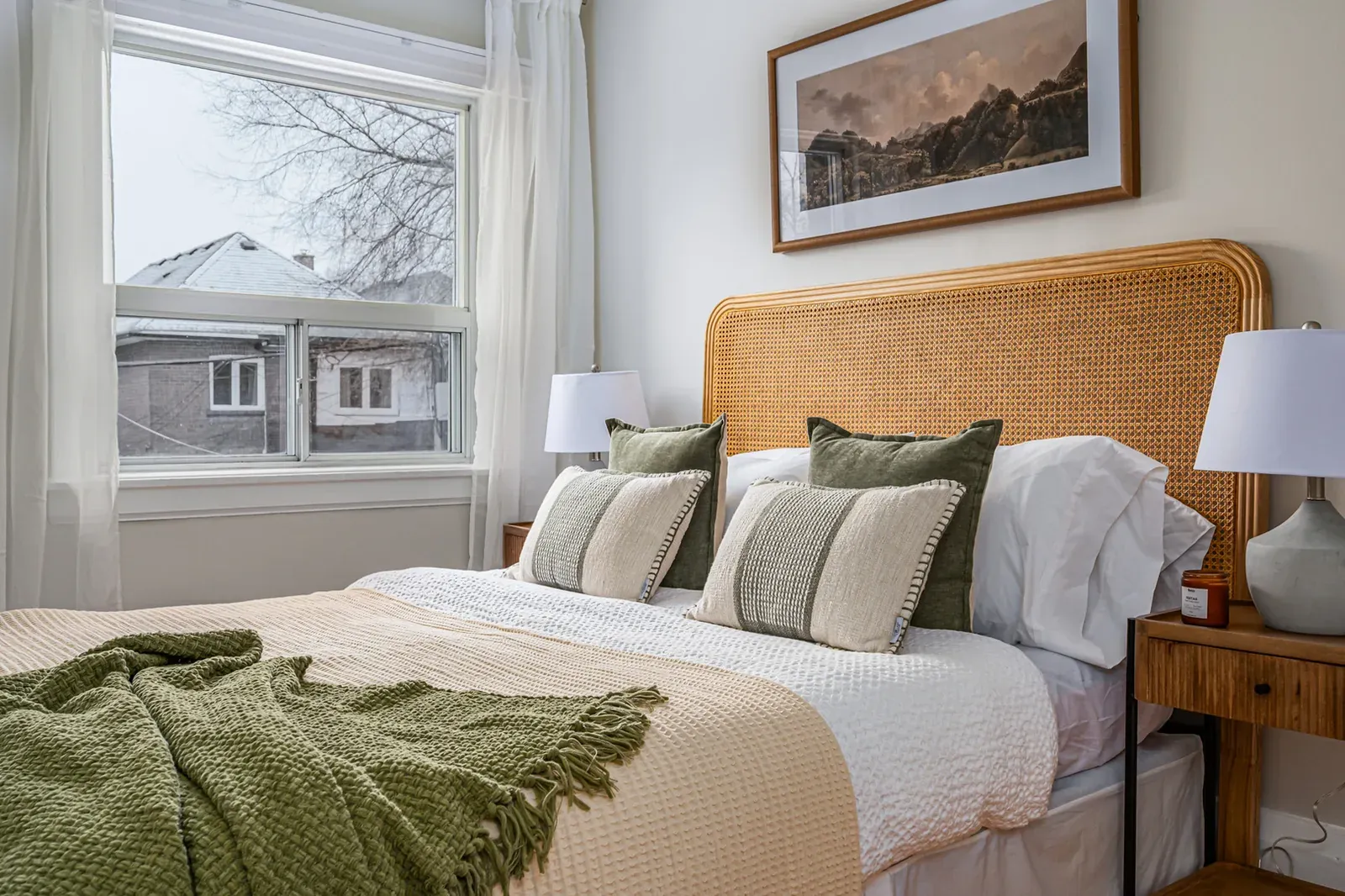
Toronto’s real estate market rewards homes that capture attention instantly and hold it long enough to trigger action. Many sellers consult a staging company in Toronto after realizing their unstaged property fails to attract serious buyers.
Unstaged homes face an uphill battle from the moment they hit the market. They lack emotional appeal, struggle to stand out online, and often leave buyers uncertain about value. That combination leads to fewer showings, weaker offers, and extended time on market.
Buyers Make Decisions Within Seconds
A buyer walks into a property and forms an opinion almost immediately. That reaction shapes everything that follows.
An unstaged home forces buyers to interpret empty or cluttered spaces. They must guess how rooms function and how furniture might fit. Many lose interest before they finish the walkthrough.
A well-presented home removes that guesswork. An unstaged one adds friction.
Instant Reactions That Hurt Unstaged Homes
- “This feels cold and uninviting.”
- “The space looks smaller than expected.”
- “I don’t know how to use this room.”
- “Something feels off.”
These thoughts rarely convert into offers.
The Problem With Empty Spaces
Empty homes seem simple to manage, yet they create several hidden challenges.
Without furniture, scale disappears. Buyers cannot judge room size accurately. Walls and corners dominate the visual field, making spaces feel awkward or smaller than they actually are.
Sound also changes perception. Echoes create a hollow atmosphere that feels uncomfortable.
Issues Caused by Empty Rooms
- Lack of proportion and balance
- Difficulty visualizing layout
- Increased focus on flaws
- Reduced emotional engagement
Instead of highlighting potential, empty spaces expose limitations.
Cluttered Homes Create a Different Set of Problems
Not all unstaged homes sit empty. Some remain filled with personal belongings, which introduces another barrier.
Clutter distracts buyers. Personal items prevent them from imagining their own lives in the space.
Common Clutter Issues
- Overfilled shelves and surfaces
- Mismatched furniture styles
- Personal photos and memorabilia
- Excessive decor
These elements shift attention away from the property itself.
Online Listings Fail to Perform
Most buyers begin their search online. Photos act as the first filter.
Unstaged homes rarely photograph well. Empty rooms look flat. Cluttered rooms look chaotic.
Buyers scroll past these listings without hesitation.
Why Unstaged Listings Underperform?
- Poor visual depth in images
- Lack of focal points
- Unbalanced lighting
- Confusing room purpose
Low engagement leads to fewer showings, which reduces the chance of receiving strong offers.
Emotional Disconnection Reduces Offers
Buying a home involves emotion as much as logic. Buyers want to feel something when they walk through a property.
Unstaged homes fail to create that connection.
They feel transactional rather than personal. Buyers analyze them instead of experiencing them.
Emotional Gaps in Unstaged Homes
- No sense of warmth or comfort
- No lifestyle cues
- No visual inspiration
- Limited attachment
Without emotional engagement, buyers hesitate. Hesitation weakens offers.
Perceived Value Drops Immediately
Presentation shapes perception. A poorly presented home appears less valuable, even if its structure remains solid.
Buyers associate presentation with care. If a home looks neglected or incomplete, they assume underlying issues.
How Perception Impacts Price?
- Buyers expect discounts
- Negotiations become more aggressive
- Offers come in below the asking price
- Final sale value decreases
A strong presentation supports pricing. A weak one undermines it.
Longer Time on Market Creates Stigma
Time affects how buyers perceive a listing.
A home that sits unsold raises questions. Buyers assume problems with pricing, condition, or desirability.
Unstaged homes often remain on the market longer due to lower interest.
Consequences of Extended Listings
- Increased price reductions
- Reduced buyer confidence
- Lower final sale price
- Higher carrying costs for sellers
The longer a property stays unsold, the harder it becomes to regain momentum.
Lack of Competitive Edge
Toronto’s market features intense competition. Buyers compare multiple properties within the same price range and neighborhood.
Unstaged homes struggle to compete against well-presented listings.
Competitive Disadvantages
- Less memorable experience
- Lower visual appeal
- Reduced buyer interest
- Limited differentiation
Buyers gravitate toward homes that feel complete and inviting.
Buyers Struggle With Visualization
Not every buyer can imagine how a space might look with furniture and decor.
Unstaged homes demand imagination. Many buyers prefer clarity.
Visualization Challenges
- Difficulty planning furniture placement
- Uncertainty about the room function
- Misjudging space proportions
When buyers cannot visualize the potential, they move on to the next listing.
Highlighting Flaws Instead of Strengths
Every property has imperfections. Presentation determines whether those flaws stand out or fade into the background.
Unstaged homes expose every detail.
Common Issues That Become More Noticeable
- Scuffed walls
- Uneven flooring
- Poor lighting
- Outdated fixtures
Without visual balance, these elements dominate attention.
Missed Opportunity to Create Flow
Flow refers to how easily buyers move through a space and understand its layout.
Unstaged homes often feel disjointed. Rooms lack connection and purpose.
Impact of Poor Flow
- Confusing layout perception
- Reduced comfort during showings
- Lower emotional engagement
A clear flow helps buyers feel at ease and increases their confidence.
Reduced Showing Engagement
The length of time a buyer spends inside a property influences their likelihood of making an offer.
Unstaged homes often result in shorter visits.
Behavior During Showings
- Quick walkthroughs
- Minimal discussion
- Limited emotional reaction
Short visits rarely convert into serious interest.
Pricing Pressure Builds Quickly
When a property fails to attract offers, sellers often adjust pricing.
Unstaged homes reach this point faster.
Pricing Challenges
- Initial overpricing becomes more obvious
- Buyers expect further reductions
- Negotiation leverage shifts to buyers
Lower demand weakens the seller’s position.
Seasonal Impact Becomes More Noticeable
Toronto’s weather influences how properties feel. Natural light changes throughout the year.
Unstaged homes suffer more during darker months. They appear colder and less inviting.
Seasonal Disadvantages
- Reduced brightness
- Less visual warmth
- Lower buyer mood response
Staging can offset these factors, but unstaged homes remain exposed.
Professional Buyers Still Care About Presentation
Investors and experienced buyers focus on numbers, yet presentation still influences their perception.
A poorly presented home suggests risk. It raises questions about maintenance and overall condition.
Investor Concerns
- Hidden repair issues
- Lower resale appeal
- Additional effort required
Even data-driven buyers respond to visual cues.
Missed Opportunity for Premium Positioning
Every property holds a position within the market. Presentation determines whether it sits at the top, middle, or bottom of its category.
Unstaged homes rarely achieve premium positioning.
Positioning Impact
- Reduced perceived quality
- Lower buyer interest
- Limited pricing flexibility
Strong presentation elevates a property’s status.
Conclusion
Unstaged homes face multiple disadvantages in Toronto’s competitive property market. They fail to capture attention, struggle to build emotional connections, and often fall short in both price and speed of sale.
Presentation shapes perception, and perception drives buyer behavior. Sellers who overlook this reality risk leaving significant value on the table and extending their time on market.
A property must do more than exist—it must engage, impress, and persuade.