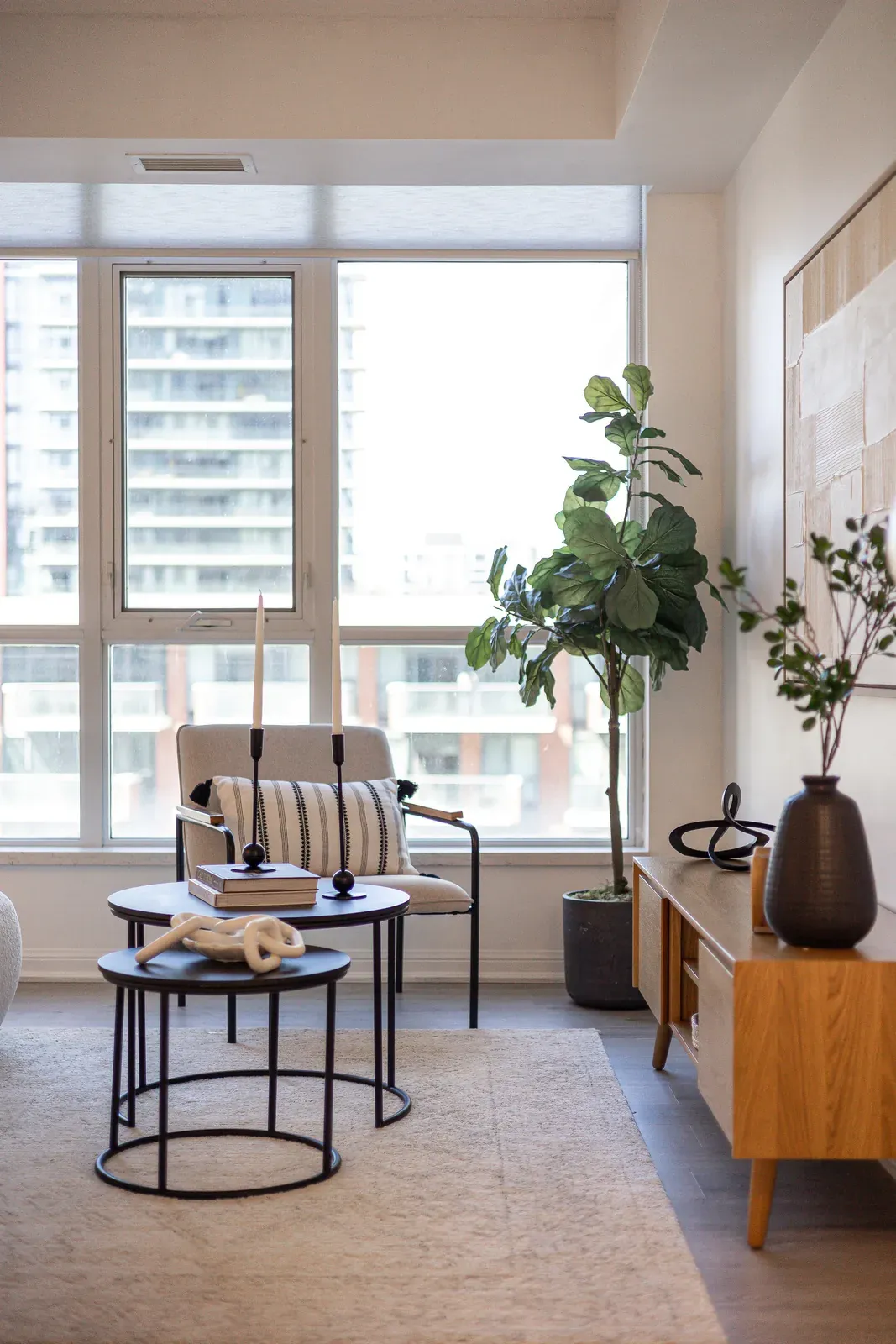
Homes with rental suites offer added flexibility, additional living space, and valuable income potential. However, buyers often evaluate these properties carefully because they want both the main residence and the secondary suite to feel comfortable, practical, and visually appealing. Thoughtful staging helps each area communicate its purpose while maintaining a cohesive design throughout the property. Carefully selected furnishings, balanced decor, and organized layouts allow prospective buyers to appreciate comfort, privacy, and functionality from the moment they arrive.
Why Homes With Rental Suites Benefit From Thoughtful Staging?
Properties featuring rental suites present unique opportunities as well as unique presentation challenges. Consequently, staging should showcase both living spaces without allowing either area to overshadow the other.
Well-planned interiors help buyers appreciate flexibility while creating confidence in the property’s overall functionality.
Creating Strong First Impressions
The first few minutes of a property viewing shape buyer perception.
An inviting presentation immediately communicates:
- Comfort
- Organization
- Practicality
- Quality
- Careful attention to detail
Additionally, thoughtfully arranged rooms encourage buyers to focus on possibilities rather than empty or awkward spaces.
Helping Buyers Visualize Multiple Living Arrangements
Many buyers consider several possible uses for a home with a rental suite.
Potential arrangements include:
- Extended family accommodation
- Independent adult children
- Guest quarters
- Home office space
- Long-term residential rental
Clearly defined furniture layouts help buyers picture each possibility more easily.
Highlighting Property Value
Rental suites often include attractive features beyond additional bedrooms.
These may include:
- Separate entrances
- Full kitchens
- Private bathrooms
- Dedicated laundry areas
- Outdoor access
- Independent living areas
Furniture placement should emphasize these strengths while preserving natural flow throughout the property.
Understanding the Unique Layout of Homes With Rental Suites
Unlike traditional single-family homes, these properties contain multiple functional living environments. Therefore, staging should create visual harmony while respecting the independence of each space.
Every area should feel complete without appearing repetitive.
Maintaining Consistency Between Living Areas
Although the main residence and rental suite serve different purposes, both should reflect a similar design quality.
Consistency may include:
- Coordinated color palettes
- Similar decorative styles
- Matching quality standards
- Balanced furnishings
- Neutral artwork
This approach creates a cohesive viewing experience while allowing each area to maintain its own identity.
Highlighting Independent Living Features
The rental suite should clearly demonstrate its ability to function independently.
Important spaces include:
- Kitchen
- Living room
- Bedroom
- Bathroom
- Dining area
- Storage
Each room should communicate comfort and practicality without excessive decoration.
Making Every Square Foot Count
Homes with rental suites often include compact spaces that require thoughtful planning.
Successful staging emphasizes:
- Efficient furniture placement
- Clear traffic flow
- Defined activity zones
- Open sightlines
- Functional layouts
As a result, smaller rooms appear more spacious and inviting.
Planning Before Staging Begins
Careful planning creates a stronger final presentation while reducing unnecessary adjustments during installation. Every furnishing should support the property’s architectural strengths and practical layout.
Preparation improves efficiency throughout the entire process.
Evaluating Both Living Spaces
Each portion of the property deserves equal attention.
Important considerations include:
- Room dimensions
- Ceiling height
- Window placement
- Natural lighting
- Flooring materials
- Wall finishes
- Storage capacity
- Traffic patterns
These observations influence every staging decision.
Identifying Likely Buyer Priorities
Different buyers value rental suites for different reasons.
Potential buyer groups include:
- Growing families
- Multi-generational households
- Investors
- Downsizing homeowners
- Professionals seeking flexible living arrangements
Consequently, staging should demonstrate versatility rather than focusing on one specific lifestyle.
Prioritizing Key Areas
Certain rooms naturally attract greater attention.
Primary focus should include:
- Entryway
- Main living room
- Primary kitchen
- Rental suite living area
- Primary bedroom
- Rental suite bedroom
- Bathrooms
These spaces strongly influence buyer impressions during property tours.
Choosing an Interior Style That Appeals to More Buyers
Timeless interiors generally attract broader interest than highly personalized decorating styles. Therefore, neutral design choices support stronger visual appeal while allowing buyers to imagine their own belongings within the home.
Simple elegance consistently creates welcoming interiors.
Contemporary Simplicity
Many homes benefit from clean contemporary styling.
Important design characteristics include:
- Neutral colors
- Simple furniture lines
- Natural materials
- Limited accessories
- Spacious layouts
This approach allows architectural details to receive appropriate attention.
Warm Transitional Design
Some homes combine modern finishes with traditional character.
Warm transitional styling often features:
- Comfortable seating
- Soft textiles
- Wood accents
- Elegant lighting
- Coordinated artwork
- Balanced furniture arrangements
These elements create inviting interiors without overwhelming the home’s architectural identity.
Choosing Timeless Decorative Details
Decorative trends change regularly. However, classic styling continues to appeal across different buyer preferences.
- Quality furnishings
- Refined textures
- Coordinated accessories
- Balanced proportions
- Elegant finishes
These selections maintain visual harmony throughout both living spaces.
Creating an Inviting Entrance
The entrance introduces buyers to the property before they experience individual rooms. Consequently, even modest entry areas deserve thoughtful attention.
Simple improvements often create lasting positive impressions.
Designing a Welcoming Entry
A well-presented entrance may include:
- Slim console table
- Decorative mirror
- Stylish lamp
- Fresh greenery
- Tasteful artwork
Every addition should enhance the area while preserving comfortable movement.
Maintaining Smooth Visual Flow
Transitions between rooms should feel natural and uninterrupted.
Furniture placement should:
- Preserve open walkways
- Highlight architectural features
- Frame attractive views
- Encourage movement
- Balance room proportions
Consequently, buyers experience an organized and welcoming environment throughout the property.
Using Natural Light to Enhance Interiors
Natural light remains one of the property’s strongest visual assets.
To maximize brightness:
- Open window coverings fully.
- Clean windows thoroughly.
- Position mirrors carefully.
- Avoid blocking daylight.
- Choose lighter upholstery where appropriate.
Bright interiors appear larger, fresher, and more welcoming. Additionally, natural light highlights flooring, cabinetry, countertops, and architectural details while strengthening the visual connection between the primary residence and the rental suite.
Designing Comfortable Living Spaces
The main living room and the rental suite living area should each feel inviting, functional, and well-balanced. Although both spaces serve similar purposes, each should reflect its own character while maintaining a consistent design language throughout the property.
Creating Functional Seating Arrangements
Thoughtful furniture placement helps buyers appreciate comfort and room proportions.
A balanced layout may include:
- A comfortable sofa
- Coordinating accent chairs
- A coffee table
- Side tables
- A textured area rug
- Layered lighting
This arrangement creates welcoming conversation areas while preserving open circulation. Moreover, balanced spacing makes every room feel larger and easier to navigate.
Maintaining Proper Furniture Scale
Furniture should complement each room instead of dominating it.
Successful layouts emphasize:
- Comfortable movement
- Clear sightlines
- Practical seating
- Flexible room use
Appropriate sizing allows architectural details to remain visible while creating comfortable living environments.
Adding Texture With Purpose
Texture creates warmth without relying on bold colors.
Suitable materials include:
- Linen
- Cotton
- Wool
- Wood
- Stone
- Woven accents
Layering these materials introduces visual depth while maintaining timeless elegance.
Presenting Kitchens as Practical Gathering Spaces
Both kitchens should demonstrate efficiency, cleanliness, and quality. Consequently, minimal decorative styling often produces the strongest impression.
Clean countertops allow premium finishes to receive greater attention.
Keeping Surfaces Organized
Countertops should remain mostly clear.
Suitable decorative accents include:
- A decorative bowl
- Wooden serving board
- Elegant kitchen accessories
Restrained styling creates an organized appearance while highlighting available workspace.
Highlighting Quality Features
Many homes with rental suites include attractive kitchen finishes.
These may feature:
- Stone countertops
- Contemporary cabinetry
- Modern fixtures
- Quality appliances
- Decorative lighting
- Functional storage
Furniture placement and accessories should frame these features naturally without creating unnecessary distractions.
Creating Comfortable Dining Areas
Dining spaces should communicate everyday comfort.
Appropriate furnishings include:
- Dining table
- Coordinated chairs
- Neutral table decor
Balanced styling supports practical living while maintaining visual harmony.
Designing Relaxing Bedrooms
Bedrooms should communicate comfort, privacy, and peaceful living. Soft textures and carefully coordinated furnishings create welcoming environments throughout both the primary residence and the rental suite.
Styling the Primary Bedroom
The primary bedroom often shapes overall buyer perception.
Essential furnishings may include:
- Comfortable bed
- Coordinated bedside tables
- Elegant lamps
- Layered bedding
- Accent chair
These elements create a refined retreat without excessive decoration.
Giving the Rental Suite Bedroom Purpose
The suite bedroom should immediately demonstrate independent living potential.
Simple furnishings help buyers picture:
- Comfortable sleeping arrangements
- Long-term occupancy
- Guest accommodation
- Flexible furniture placement
Clear organization supports practical functionality.
Presenting Storage Effectively
Storage contributes significantly to buyer confidence.
Closets should remain:
- Clean
- Bright
- Organized
- Spacious
- Easily accessible
An orderly presentation strengthens the property’s overall appeal.
Enhancing Bathrooms With Refined Details
Bathrooms should reflect cleanliness, comfort, and quality. Carefully selected accessories create welcoming spaces while complementing premium fixtures and finishes.
Creating a Calm Atmosphere
Simple decorative additions often provide the greatest visual impact.
Suitable accessories include:
- Folded white towels
- Decorative trays
- Glass containers
- Neutral candles
- Coordinated soap dispensers
These details create warmth while preserving simplicity.
Highlighting Premium Fixtures
Bathroom finishes deserve careful attention.
Before every viewing:
- Polish fixtures.
- Clean mirrors thoroughly.
- Remove water spots.
- Organize vanity surfaces.
- Check lighting.
Consistent maintenance reinforces quality throughout the property.
Choosing Colors That Appeal to More Buyers
Color influences atmosphere, perceived space, and visual balance. Consequently, carefully selected palettes help every room feel calm, welcoming, and elegant.
Neutral shades generally provide the broadest appeal.
Selecting Timeless Color Palettes
Effective combinations often include:
- Warm white
- Soft gray
- Beige
- Taupe
- Charcoal
- Natural wood tones
These colors complement quality finishes while maintaining sophistication.
Introducing Gentle Contrast
Subtle contrast prevents neutral interiors from appearing flat.
Accent colors may appear through:
- Artwork
- Decorative cushions
- Greenery
- Sculptural decor
- Textured fabrics
Balanced accents create visual interest without overwhelming the architecture.
Using Lighting to Strengthen Presentation
Lighting shapes mood, photography, and buyer impressions. Proper illumination allows every room to appear brighter while highlighting important architectural features.
Making the Most of Daylight
Natural light enhances nearly every interior.
Increase brightness by:
- Opening blinds completely
- Cleaning windows regularly
- Positioning mirrors thoughtfully
- Choosing lighter fabrics
- Avoiding heavy curtains
Bright spaces feel more spacious and inviting.
Layering Interior Lighting
Balanced lighting combines multiple sources.
Useful lighting includes:
- Ceiling fixtures
- Floor lamps
- Table lamps
- Accent lighting
- Under-cabinet lighting
Layered illumination softens shadows while creating comfortable living environments.
Selecting Decorative Accessories Carefully
Accessories complete each room without creating unnecessary clutter. Every decorative piece should reinforce elegance while supporting the property’s overall design.
Choosing Appropriate Decorative Pieces
- Ceramic vases
- Decorative bowls
- Coffee table books
- Contemporary artwork
- Sculptural accents
Each item should contribute to visual harmony.
Maintaining Clean Visual Lines
Too many accessories reduce overall impact.
Avoid:
- Crowded shelves
- Numerous small ornaments
- Bright novelty decorations
- Excessive wall decor
Instead, preserve open surfaces that emphasize architectural quality and room proportions.
Preparing Homes With Rental Suites for Photography
Professional photography often creates the first opportunity to attract serious buyer interest. Therefore, every staged room should appear polished from every viewing angle before photographs are taken.
Before photography begins:
- Straighten furniture.
- Align decorative items.
- Remove fingerprints.
- Refresh greenery.
- Open window coverings.
- Turn on interior lighting.
- Hide visible cables.
- Check reflective surfaces.
Careful preparation produces attractive photographs that highlight comfort, functionality, and visual balance. Additionally, many homeowners seeking residential presentation consult a staging company Toronto residents recommend because thoughtful staging often helps buyers appreciate both the primary residence and the rental suite as connected yet independent living spaces.
Common Staging Mistakes to Avoid
Even attractive homes with rental suites can lose buyer interest when presentation overlooks important details. Small design mistakes often reduce visual appeal and distract attention from valuable property features. Therefore, careful preparation before every viewing helps maintain a polished and welcoming environment.
Overfurnishing the Interior
Too much furniture makes rooms appear smaller and less functional.
Avoid:
- Oversized sofas
- Bulky storage cabinets
- Numerous accent chairs
- Large decorative pieces
- Excessive accessories
Instead, choose furniture that fits each room comfortably while preserving open walkways. Consequently, buyers can appreciate the available space more easily.
Neglecting Maintenance
Excellent staging cannot compensate for visible maintenance concerns.
Inspect every room for:
- Marked walls
- Loose hardware
- Burned-out light bulbs
- Dirty windows
- Water stains
- Dusty surfaces
- Scratched flooring
- Damaged trim
Additionally, spotless presentation strengthens confidence in the property’s condition and overall care.
Using Different Design Styles in Each Living Area
The main residence and rental suite should complement one another without appearing identical.
Avoid combining:
- Traditional furniture with industrial decor
- Conflicting color palettes
- Numerous decorative themes
- Heavy visual contrasts
Consistent styling creates harmony while allowing each living area to maintain its individual purpose.
Preparing for Successful Property Viewings
Every viewing offers an opportunity to create a lasting impression. Consequently, maintaining consistent presentation throughout the selling period remains essential.
Routine preparation ensures that buyers experience the home at its best.
Viewing Day Checklist
Complete these tasks before scheduled appointments:
- Open all blinds.
- Arrange cushions neatly.
- Wipe glass surfaces.
- Remove unnecessary personal belongings.
- Empty waste bins.
- Refresh indoor plants.
- Adjust room temperature.
These simple improvements help every space feel clean, comfortable, and welcoming.
Maintaining Consistency During Marketing
Homes with rental suites may receive several viewings before a sale is completed. Therefore, every appointment should present the property with the same high standard.
Regular inspections should confirm:
- Furniture remains properly positioned.
- Decorative accessories stay balanced.
- Floors remain spotless.
- Lighting works correctly.
- Every room appears fresh and inviting.
Reliable presentation reinforces buyer confidence from the first viewing through the final visit.
Long-Term Advantages of Thoughtful Staging
Thoughtful staging provides benefits beyond attractive interiors. Carefully arranged rooms help buyers appreciate functionality, flexibility, and quality while recognizing the value of multiple living spaces.
Furthermore, balanced layouts allow prospective buyers to picture different lifestyle possibilities without confusion. Clear room definitions, coordinated decor, and refined furnishings help each space communicate its intended purpose while supporting the property’s overall design.
Well-prepared homes also photograph more effectively, creating stronger online interest before buyers schedule viewings. Consistent styling throughout the main residence and rental suite strengthens visual continuity while allowing each area to retain its unique character.
Conclusion
Homes with rental suites achieve stronger visual appeal when every room reflects comfort, organization, and practical living. Thoughtful furniture placement, refined decor, balanced lighting, and consistent styling allow buyers to appreciate both living areas with confidence. As a result, the property presents a cohesive, welcoming environment that highlights flexibility, quality, and lasting value without distracting from its architectural strengths.