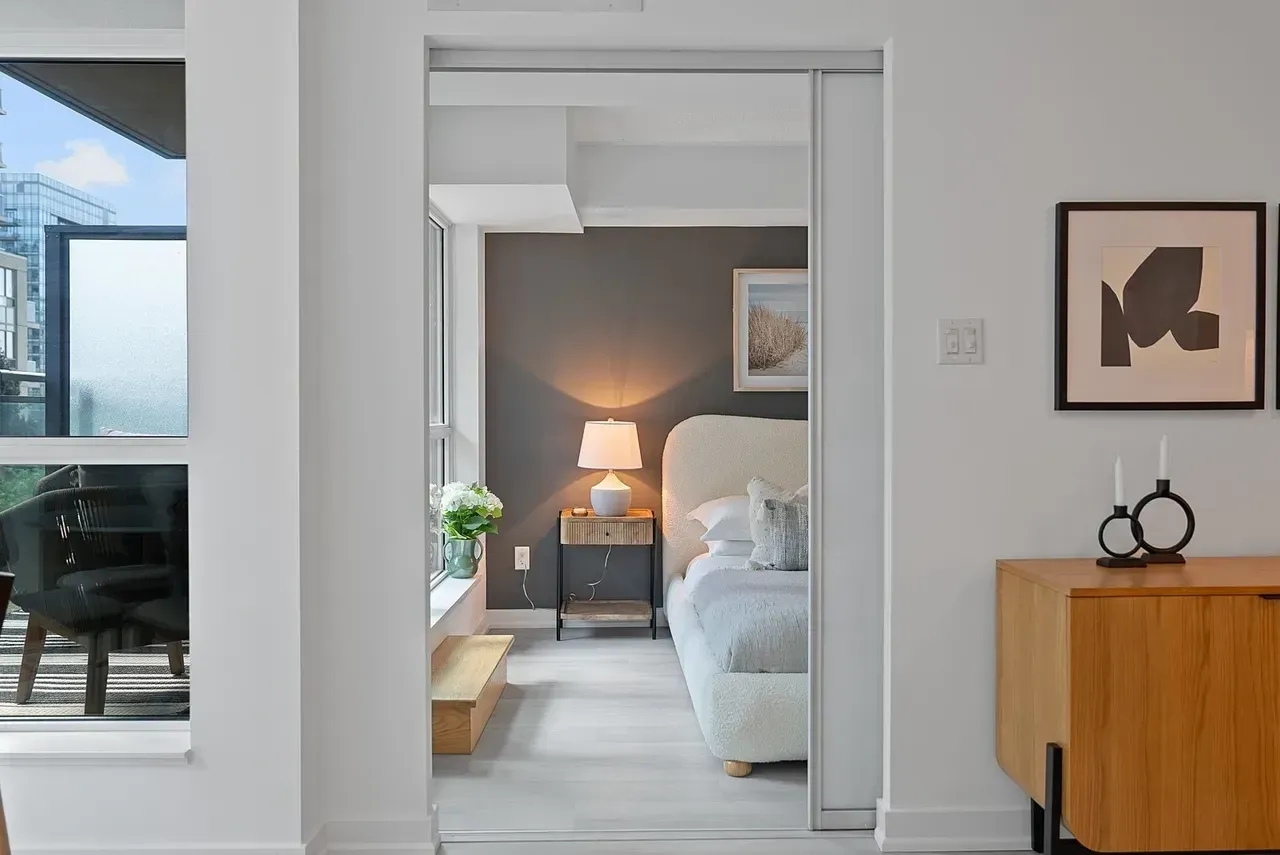
Selling a home means shifting perspective. What once felt comforting, expressive, and deeply personal must suddenly speak to many different people with different lifestyles, priorities, and preferences. Buyers do not walk into a home hoping to admire someone else’s personality. They walk in searching for a place that feels right for them. Neutral styling meets that expectation far more effectively than personal taste ever could.
Residential buyers react emotionally first. They scan spaces, picking up on mood, flow, and ease. When design choices feel bold, specific, or heavily personalized, buyers spend energy processing the décor rather than connecting with the space. Neutral styling removes that distraction and allows the home itself to take center stage.
Professionals across residential real estate, including every experienced staging company Toronto sellers rely on, recognize that neutral styling consistently outperforms personal expression when a home enters the market. It creates broader appeal, smoother decision-making, and stronger emotional alignment with buyers.
Buyers Want to See Themselves, Not the Seller
A home filled with personal taste tells a very specific story. Family photos, strong color schemes, themed décor, and unique collections reflect the current owner’s identity. While that identity may feel warm and meaningful, it rarely matches the buyer’s vision.
Neutral styling clears that narrative. It creates space for buyers to project their own routines, furniture, and memories. When buyers see themselves in a home, attachment forms faster. When they see someone else’s life, distance remains.
Emotional Comfort Comes From Simplicity
Buyers feel most comfortable in spaces that feel calm and balanced. Neutral styling supports that emotional response by reducing visual noise. Soft tones, simple lines, and restrained décor allow the mind to relax.
Personal taste often introduces contrast, complexity, or strong opinions. Even when executed well, those choices demand attention. Buyers may admire them briefly, yet admiration does not equal connection. Comfort does.
Neutral Styling Supports Faster Decision-Making
Buying a home already involves stress. Buyers juggle budgets, timing, inspections, and emotions. Neutral environments reduce cognitive load by making spaces easy to process.
When buyers do not need to mentally redesign a room, they move forward with more confidence. Personal taste forces buyers to imagine changes, repainting, or removal. Neutral styling removes those barriers.
Color Psychology Favors Neutral Palettes
Color affects mood instantly. Strong colors trigger emotional responses that vary widely from person to person. What feels energizing to one buyer may feel overwhelming to another.
Neutral colors create consistency. They rarely offend and often soothe. Shades of white, beige, soft gray, and warm earth tones allow natural light to shine and spaces to breathe.
This emotional neutrality does not feel boring. It feels open and adaptable.
Neutral Styling Highlights Architecture
Homes sell on structure, layout, and flow. Personal décor often competes with architectural features. Bold art, heavy furniture, or strong patterns pull attention away from windows, ceilings, and proportions.
Neutral styling frames architecture rather than fighting it. Buyers notice ceiling height, room size, and natural light more clearly. Those elements drive value far more than decorative taste.
Personal Taste Shrinks Buyer Pool
Every strong design choice excludes someone. A buyer who dislikes a specific style may struggle to see past it, even if the home meets their needs.
Neutral styling widens appeal. It invites more buyers into the emotional conversation. The larger the pool, the stronger the competition and the better the outcome.
Neutral Spaces Feel Larger and Brighter
Visual simplicity enhances perception of space. Neutral colors reflect light and reduce visual boundaries. Rooms feel more open and airy.
Personal taste often adds layers, contrast, and saturation. These elements visually shrink spaces. Buyers often misjudge size when décor dominates.
Neutral styling allows the home’s true dimensions to shine.
Buyers Trust Neutral Presentation More
Trust plays a subtle role in buying decisions. Neutral homes feel intentional and well-prepared. Buyers associate simplicity with care and maintenance.
Highly personalized spaces sometimes trigger concern. Buyers wonder whether hidden issues exist beneath strong décor choices. Neutral styling reassures rather than distracts.
Neutral Styling Reduces Negotiation Friction
Buyers negotiate harder when they see work ahead. Strong personal taste suggests effort and cost, even if changes are cosmetic.
Neutral styling signals readiness. Buyers feel fewer reasons to push for discounts. They focus on value rather than adjustment.
Furniture Placement Works Better Without Personal Bias
Neutral styling prioritizes function over expression. Furniture placement emphasizes flow, proportion, and usability.
Personal taste may favor aesthetics over practicality. Oversized pieces, unconventional layouts, or statement furniture confuse buyers. Neutral arrangements clarify how rooms work.
Why Buyers Respond Better to Balanced Decor?
Balanced décor supports emotional neutrality. Buyers feel neither overwhelmed nor underwhelmed. This balance creates a sense of ease that encourages longer showings and deeper engagement.
Neutral styling strikes that balance naturally. It avoids extremes and supports a calm viewing experience.
Neutral Styling Makes Photography Stronger
Photos shape buyer interest before showings begin. Neutral spaces photograph cleanly and consistently. They perform well across platforms and devices.
Personal taste introduces visual clutter and contrast that distract on screen. Neutral styling improves visual flow and draws clicks.
A Few Clear Benefits of Neutral Styling
Neutral styling delivers measurable advantages:
- Broader buyer appeal
- Faster emotional connection
- Clearer room purpose
- Better light reflection
- Reduced buyer hesitation
These benefits work together to support stronger interest and smoother transactions.
Buyers Focus on Lifestyle, Not Decor
Residential buyers imagine routines, not decorations. They picture mornings, evenings, gatherings, and quiet moments. Neutral styling supports those mental images.
Personal décor pulls attention toward objects rather than experiences. Neutral environments allow lifestyle imagination to take over.
Neutral Styling Avoids Cultural and Personal Bias
Buyers come from diverse backgrounds. Personal taste often reflects specific cultural or lifestyle preferences. Neutral styling avoids unintended bias.
Simple, balanced spaces feel inclusive. Buyers from different walks of life feel equally comfortable engaging with the home.
Neutral Design Ages Better
Trendy or expressive styles age quickly. Buyers may perceive them as dated, even if the home remains in good condition.
Neutral styling feels timeless. It avoids trend fatigue and supports long-term appeal. Buyers worry less about immediate changes.
Emotional Distance Disappears in Neutral Spaces
Buyers need emotional closeness to commit. Personal taste creates emotional distance by reminding them they are visitors.
Neutral styling removes that barrier. Buyers stop feeling like guests and start feeling like owners.
Neutral Styling Supports Price Confidence
Buyers accept pricing more readily when the presentation aligns with value. Neutral styling creates visual harmony that supports price expectations.
Personal taste sometimes clashes with pricing logic. Buyers question whether they must invest further after purchase.
Why Less Expression Creates More Impact?
Impact does not require boldness. Subtlety often leaves a stronger impression. Neutral styling uses restraint to create clarity.
That clarity allows buyers to focus on what matters: space, comfort, and possibility.
Neutral Styling Simplifies Feedback
Buyer feedback often becomes clearer in neutral spaces. Comments focus on layout, light, and features rather than décor preferences.
This clarity helps sellers and agents respond strategically rather than defensively.
Neutral Styling Encourages Repeat Visits
Buyers who feel comfortable returning. Neutral spaces invite second showings. They feel familiar without feeling personal.
Personal décor can feel intrusive on repeat visits. Neutral styling grows more appealing over time.
The Risk of Over-Expression in Residential Homes
Residential buyers seek stability and ease. Over-expression signals complexity. Even artistic buyers hesitate when spaces feel too specific.
Neutral styling communicates flexibility. Buyers see potential rather than limitations.
Neutral Styling Aligns With Buyer Expectations
Buyers arrive with expectations shaped by listings, media, and previous showings. Neutral styling meets those expectations consistently.
When reality matches expectation, buyers feel confident. When it clashes, doubt appears.
Why Neutral Styling Works Across Market Conditions?
In competitive markets, neutral styling helps homes stand out without alienating buyers. In slower markets, it keeps interest alive longer.
Personal taste struggles in both scenarios. Neutral styling adapts.
A Practical Shift for Sellers
Neutral styling does not erase personality. It simply steps aside to let buyers lead. Sellers who embrace this shift often experience smoother outcomes.
The home stops being a reflection of the past and starts becoming a promise of the future.
Key Reasons Neutral Styling Outperforms Personal Taste
Several core reasons explain this advantage:
- Buyers imagine themselves more easily
- Emotional comfort increases
- Visual clarity improves
- Negotiation pressure decreases
- Decision-making speeds up
These factors shape buyer behavior at every stage.
Neutral Styling as a Communication Tool
Neutral styling communicates readiness without words. It says the home welcomes many lifestyles. Buyers respond to that openness instinctively.
Personal taste communicates ownership. Neutral styling communicates opportunity.
Why Residential Buyers Reward Simplicity?
Residential purchases carry emotional weight. Buyers reward simplicity because it feels manageable and reassuring.
Neutral styling supports that need by creating calm, adaptable spaces.
The Quiet Power of Restraint
Restraint allows space to speak. Neutral styling uses restraint to amplify what truly matters.
Buyers notice light, flow, and proportion. Those elements drive decisions far more than décor statements.
Conclusion
Neutral styling works better than personal taste because it serves the buyer, not the seller. It removes barriers, reduces doubt, and opens emotional pathways. Residential buyers want homes that feel ready for their lives, not reminders of someone else’s.
When a home shifts from expression to invitation, connection follows naturally. Neutral styling makes that shift possible.