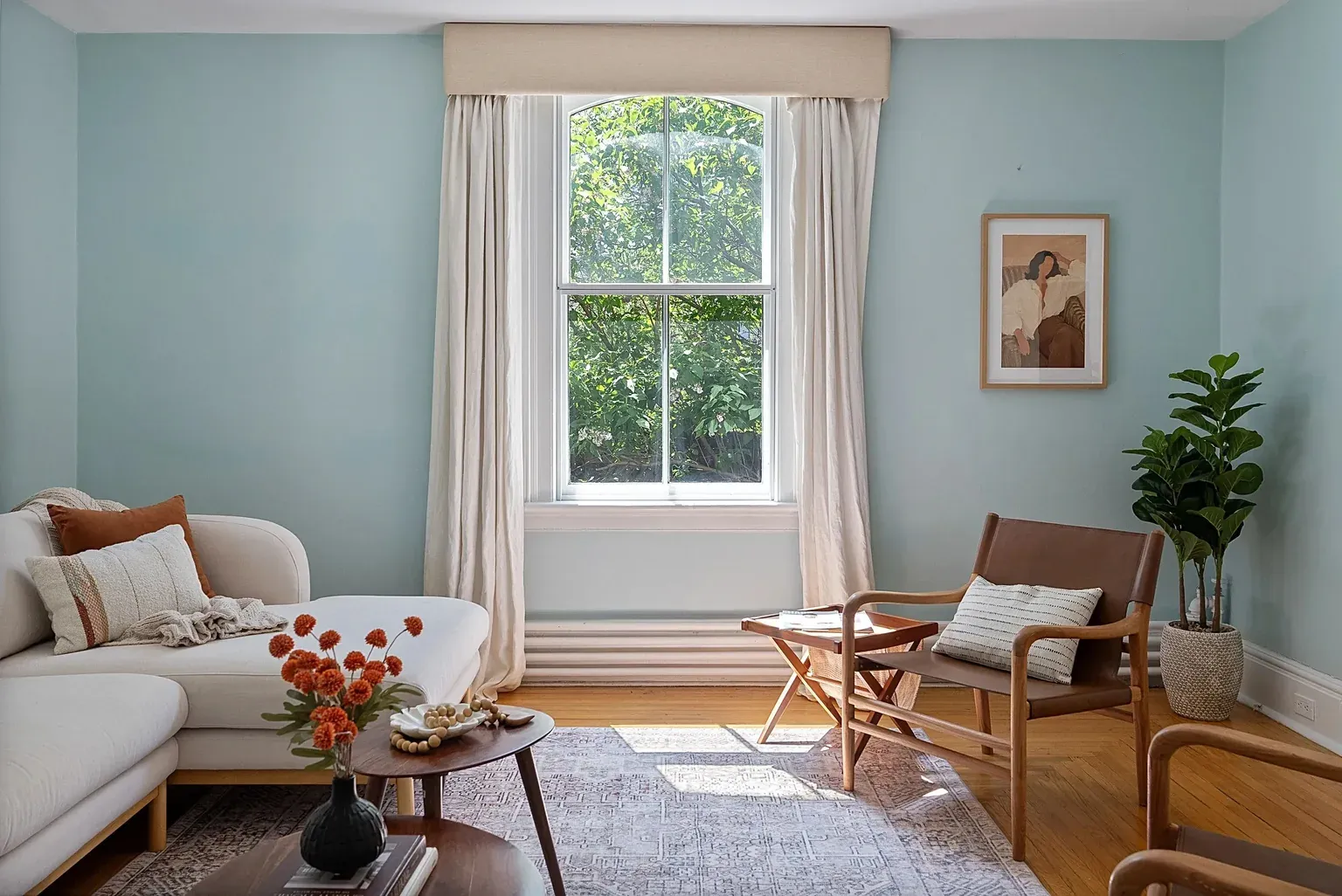
Furniture shapes how people read a space. It frames scale, defines purpose, and sets emotional tone. When furniture looks flimsy or poorly made, it sends a subtle but powerful message about the entire property. Buyers and guests rarely separate furniture quality from the home itself. They absorb everything as one experience.
Many sellers lean on quick fixes or budget pieces to fill empty rooms, often without realizing the effect. Even when professionals such as Toronto staging services step in, they focus heavily on furniture selection because it directly affects perceived value. Cheap-looking items can undermine an otherwise beautiful space, while well-chosen pieces elevate even modest interiors.
First Impressions Form in Seconds
People form opinions almost instantly. When someone walks into a room, their eyes scan the furniture before anything else. Sagging cushions, mismatched finishes, or unstable tables create doubt right away.
That doubt spreads quickly. If the furniture looks worn or low quality, visitors begin to question other aspects of the property. They may assume hidden issues exist, even when everything else stands in perfect condition.
Strong first impressions rely on visual clarity and confidence. Furniture plays a central role in achieving both.
Cheap Furniture Signals Poor Maintenance
Furniture quality often acts as a proxy for overall care. Buyers and visitors tend to assume that low-grade furnishings reflect a lack of attention to detail.
This perception builds through small cues:
- Scratches and chips on surfaces
- Loose joints or wobbly legs
- Thin materials that appear fragile
- Faded fabrics or uneven finishes
Each flaw reinforces the idea that the space lacks proper upkeep. Even when the home itself remains well-maintained, cheap furniture creates a conflicting narrative that weakens trust.
It Reduces Perceived Value
Perception drives value as much as reality. A room filled with low-cost furniture feels less valuable, regardless of its actual features.
High ceilings, natural light, and premium flooring lose impact when paired with subpar furnishings. Buyers struggle to connect the quality of the home with what they see in front of them.
Value perception works like a chain. When one element weakens, it affects everything connected to it.
Visual Clutter Becomes More Noticeable
Cheap furniture often lacks thoughtful design. It may include bulky shapes, awkward proportions, or inconsistent finishes. These traits make rooms feel crowded and unbalanced.
Instead of enhancing the space, such pieces compete for attention. The result feels chaotic rather than cohesive.
Clean lines and proportional furniture create calm. Poorly designed items disrupt that calm and make spaces feel smaller than they actually are.
It Distracts from Architectural Features
Every home has elements worth highlighting. Windows, moldings, flooring, and layout should take center stage.
Low-quality furniture pulls focus away from those features. People notice the furniture flaws instead of appreciating the design of the home.
A well-staged room supports the architecture. Cheap pieces fight against it.
Emotional Connection Weakens
People make decisions based on emotion as much as logic. Furniture influences how a space feels, not just how it looks.
Uncomfortable seating, rough textures, and unstable surfaces create subtle discomfort. Visitors may not always identify the cause, but they feel it.
That feeling matters. When people feel uneasy, they struggle to picture themselves living in the space. Emotional disconnect often leads to hesitation.
Durability Reflects Longevity
Buyers often think ahead. They imagine how a space will hold up over time. Cheap furniture suggests short-term thinking.
When furnishings appear disposable, buyers may assume other elements of the home follow the same pattern. This assumption can reduce confidence in the property’s long-term value.
Durability communicates stability. Even staged environments benefit from that perception.
Scale and Proportion Suffer
Budget furniture frequently ignores proper scale. Pieces may feel too small for a room or overly bulky for tight spaces.
Incorrect proportions disrupt flow and balance. Rooms can feel awkward or inefficient, even when they have excellent layouts.
Well-proportioned furniture defines space clearly. It helps buyers see how they can use each area effectively.
Texture and Material Quality Matter
Materials influence perception at a sensory level. Thin laminates, synthetic fabrics, and hollow structures lack the richness of higher-quality options.
Visitors notice:
- The sound of a drawer closing
- The feel of upholstery
- The weight of a table or chair
These details create a tactile experience that reinforces visual impressions. Cheap materials fail to deliver that depth.
Lighting Interacts Poorly with Low-Quality Surfaces
Furniture affects how light moves through a room. Glossy, uneven, or poorly finished surfaces reflect light inconsistently.
This inconsistency creates glare or dull patches, which disrupt the overall atmosphere. Rooms may feel dim or harsh instead of balanced and inviting.
Quality finishes absorb and reflect light in a more controlled way, enhancing the environment.
Mismatched Pieces Break Cohesion
Cheap furniture often comes from different sources without a unified style. This mismatch creates visual fragmentation.
A cohesive look relies on harmony. When pieces clash in color, design, or scale, the space feels disjointed.
Consistency builds trust. It shows intention and care.
Buyers Focus on What Needs Replacement
When furniture looks temporary or worn, buyers begin calculating replacement costs in their minds. Instead of appreciating the home, they focus on what needs fixing.
This shift in mindset can affect decisions:
- Buyers may lower their offers
- They may hesitate to move forward
- They may compare the property unfavorably to others
Even when furniture is not part of the sale, its presence shapes perception.
Cheap Furniture Dates a Space Quickly
Trends change, but low-quality furniture often exaggerates outdated styles. It lacks the timeless qualities that allow a space to feel current.
Outdated interiors create resistance. Buyers may feel they need to invest time and money to modernize the space, even when updates are minimal.
Timeless design supports broader appeal.
It Undermines Professional Presentation
Real estate presentation relies on consistency and polish. Cheap furniture disrupts that polish.
Professional photos highlight every detail. Flaws that might go unnoticed in person become obvious in images.
Online listings often serve as the first point of contact. Poor furniture choices can reduce interest before a showing even happens.
The Psychology Behind Perception
People associate quality with reliability. When they see well-made furniture, they assume the same level of care extends throughout the property.
This association works subconsciously. It influences decisions without requiring conscious thought.
Cheap furniture breaks that association. It introduces doubt where confidence should exist.
Small Upgrades Create Big Impact
Improving furniture quality does not always require large investments. Strategic changes can transform perception.
Consider:
- Replacing key focal pieces, such as sofas or dining tables
- Updating upholstery with neutral, durable fabrics
- Choosing fewer but higher-quality items
These adjustments shift the overall tone of a space. They create a sense of intention and refinement.
The Role of Minimalism
Minimalism supports quality over quantity. Fewer pieces allow each item to stand out.
Cheap furniture often fills space unnecessarily. This approach creates clutter and reduces impact.
A minimalist setup with well-chosen furniture feels more valuable than a crowded room with low-cost items.
Consistency Builds Trust
Trust plays a critical role in perception. Buyers need to feel confident in what they see.
Consistency across furniture, décor, and layout reinforces that confidence. It shows that every detail has been considered.
Cheap furniture introduces inconsistency. It creates gaps in the overall narrative of quality.
Long-Term Benefits of Better Choices
Investing in quality furniture offers lasting benefits beyond immediate perception. It supports durability, adaptability, and timeless appeal.
Spaces furnished with care remain relevant longer. They require fewer updates and maintain their appeal across different audiences.
This stability adds value over time.
Conclusion
Furniture does more than fill space. It communicates quality, care, and intention. Cheap pieces may seem like a quick solution, but they often create long-term drawbacks in perception.
Every room tells a story. When furniture aligns with the home’s strengths, that story feels complete and convincing. When it falls short, the entire experience weakens.
Choosing quality over convenience strengthens visual appeal, builds trust, and supports better outcomes in any setting.