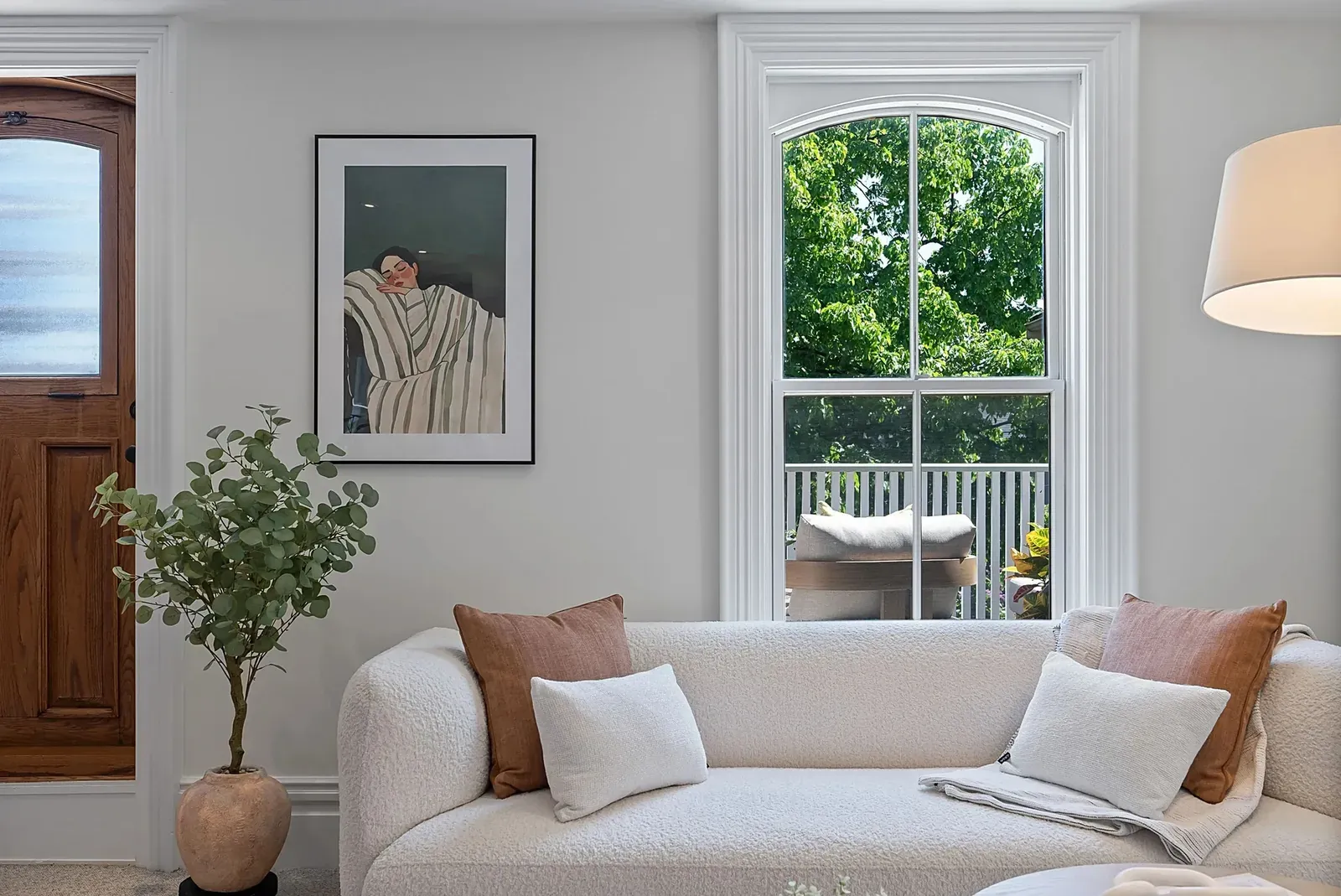
A staged home creates an immediate emotional response. Buyers step into a space that feels intentional, polished, and inviting. Every detail supports a sense of comfort and possibility. This curated environment transforms a property from a simple structure into a place that feels ready for living.
Staging shapes perception in subtle yet powerful ways. It removes distractions, highlights strengths, and presents a cohesive vision. Buyers respond to this clarity because it simplifies their decision-making process. When a home feels complete, it reduces hesitation and encourages connection.
This emotional pull often drives faster and more confident offers. Buyers do not just evaluate the property; they imagine themselves within it. That emotional shift marks the difference between interest and attachment.
Emotional Triggers That Influence Buyer Decisions
Human decision-making relies heavily on emotion. A staged home activates positive feelings that guide buyer behavior. Soft textures, balanced layouts, and harmonious colors create a sense of ease.
Buyers often seek a lifestyle rather than just a property. Staging communicates that lifestyle through design choices. A cozy living room suggests relaxation, while a well-organized kitchen reflects functionality and warmth.
These emotional cues build trust. Buyers feel that the home meets their expectations without requiring major changes. This sense of alignment strengthens their willingness to move forward quickly.
Visual Harmony Creates Instant Attraction
Visual balance plays a central role in staging. A well-arranged space feels natural and pleasing to the eye. Furniture placement, color coordination, and décor selection work together to create a unified look.
When buyers enter a harmonious environment, they process the space effortlessly. Their attention flows smoothly from one area to another. This seamless experience keeps them engaged and interested.
Clutter disrupts this flow. Staging removes unnecessary elements and focuses on essential features. The result is a clean and refined presentation that enhances the property’s appeal.
The Power of First Impressions
First impressions form within moments. Buyers often decide whether they feel connected to a home almost instantly. Staging ensures that this initial reaction remains positive and memorable.
A staged entryway sets the tone for the entire property. Clean lines, subtle décor, and inviting lighting create a welcoming atmosphere. This introduction encourages buyers to continue exploring with enthusiasm.
Negative first impressions can limit interest. Poor presentation or clutter can create doubt. Staging eliminates these risks and establishes confidence from the beginning.
Creating a Sense of Space and Flow
Staging enhances the perception of space. Even smaller rooms can feel larger when arranged thoughtfully. Proper furniture placement allows for easy movement and clear pathways.
Open layouts benefit greatly from staging. Defined areas for living, dining, and relaxation help buyers understand how to use the space. This clarity increases functionality and appeal.
Key techniques that improve spatial perception include:
- Using appropriately sized furniture
- Maintaining clear walkways
- Limiting decorative items
- Emphasizing natural light
These strategies create an environment that feels open, organized, and comfortable.
Neutral Design Expands Buyer Interest
Neutral design supports broad appeal. Soft tones and subtle textures create a versatile backdrop that suits various tastes. Buyers can imagine their own style within the space without conflict.
Bold design choices can divide opinions. While some buyers may appreciate unique elements, others may see them as obstacles. Neutral staging avoids this issue by offering a balanced and adaptable aesthetic.
Light colors also enhance brightness. Rooms appear more spacious and inviting, which increases their overall attractiveness. This visual advantage plays a significant role in buyer preference.
Highlighting Key Features Effectively
A staged home draws attention to its strongest features. Whether it includes large windows, high ceilings, or modern finishes, staging ensures these elements stand out.
Strategic placement of furniture and décor directs the eye toward focal points. For example, a seating arrangement can emphasize a fireplace, while minimal décor can highlight architectural details.
Buyers notice these features more easily when distractions disappear. This clarity reinforces the property’s value and strengthens its appeal.
The Role of Lighting in Buyer Attraction
Lighting influences mood and perception. A well-lit home feels warm, safe, and inviting. Staging enhances lighting through both natural and artificial sources.
Natural light remains one of the most desirable features. Clean windows and light-colored walls maximize its effect. Artificial lighting adds depth and highlights specific areas.
Effective lighting strategies include:
- Layering different light sources
- Using soft, warm tones
- Eliminating dark corners
- Highlighting focal points
These adjustments create a balanced and appealing environment that attracts buyers.
Depersonalization Encourages Connection
Personal items can limit a buyer’s ability to connect with a home. Family photos, unique collections, and specific décor styles remind buyers that the space belongs to someone else.
Staging removes these elements to create a neutral and welcoming environment. Buyers can then imagine their own belongings in the space.
This sense of ownership begins during the viewing process. When buyers feel that the home could belong to them, they develop a stronger emotional attachment.
Staging Enhances Online Presentation
Online listings play a critical role in attracting buyers. High-quality images often determine whether a buyer schedules a viewing. Staged homes photograph exceptionally well.
Clean lines, balanced colors, and organized spaces create visually appealing images. These qualities stand out in online searches and generate more interest.
Unstaged homes may appear cluttered or uninviting in photos. Staging ensures that the property presents itself effectively across digital platforms, increasing visibility and engagement.
Building Buyer Confidence Through Presentation
A staged home signals care and attention to detail. Buyers interpret this as a sign of a well-maintained property. This perception builds confidence and reduces concerns.
Confidence plays a key role in decision-making. When buyers feel assured about a property’s condition, they move forward more quickly. Staging supports this process by presenting the home in its best possible state.
A polished presentation also suggests that the seller values the property. This impression can influence negotiations and encourage stronger offers.
Lifestyle Storytelling Through Design
Staging tells a story. Each room represents a specific function and lifestyle. A dining area suggests shared meals, while a bedroom conveys rest and comfort.
This storytelling approach helps buyers visualize daily life within the home. They can imagine routines, gatherings, and personal moments.
Effective storytelling relies on subtlety. Overly elaborate designs can feel artificial. Balanced staging creates a believable and relatable environment that resonates with buyers.
Practical Advantages of Staged Homes
Staged homes offer clear benefits that extend beyond visual appeal. These advantages directly impact the selling process and overall outcomes.
Key benefits include:
- Increased buyer interest
- Shorter time on the market
- Higher perceived value
- Improved negotiation potential
These factors contribute to a smoother transaction and better results for sellers.
The Influence of Professional Expertise
Professional staging enhances the effectiveness of design strategies. Experts bring knowledge of market trends, buyer preferences, and spatial planning.
A staging company in Toronto can provide tailored solutions that align with local expectations. Their expertise ensures that each room serves a clear purpose and appeals to potential buyers.
Professional staging combines creativity with strategy. This approach maximizes the property’s potential and strengthens its market position.
Why Simplicity Drives Stronger Reactions?
Simplicity creates clarity. Buyers respond positively to spaces that feel organized and easy to interpret. Staging removes unnecessary complexity and focuses on essential elements.
Complex designs can create confusion or overwhelm. Buyers may struggle to visualize how the space fits their needs. Simple staging eliminates this challenge.
This clarity allows buyers to focus on the home’s strengths. As a result, they feel more confident and engaged throughout the viewing process.
The Competitive Edge in Real Estate
Staged homes stand out in a competitive market. Buyers often compare multiple properties before making a decision. A well-staged home leaves a lasting impression.
This advantage becomes especially important in crowded markets. When several listings offer similar features, presentation can determine the final choice.
Staging creates a memorable experience that sets the property apart. Buyers remember how the home made them feel, which influences their final decision.
Conclusion
Staged homes capture buyer attention through design, emotion, and clarity. They create environments that feel welcoming, functional, and ready for living. This combination encourages strong emotional connections and confident decisions.
By focusing on presentation, sellers can highlight their property’s strengths and appeal to a wide audience. Staging transforms a simple listing into a compelling experience that resonates with buyers and drives successful outcomes.
FAQs
1. Why do buyers feel more connected to staged homes?
Staged homes create an inviting atmosphere that feels ready for living. Buyers can imagine their own lifestyle within the space. This emotional connection forms quickly and encourages a stronger interest, making the property more memorable compared to unstaged alternatives.
2. Does staging really impact selling speed?
Staging often reduces the time a property remains on the market. A well-presented home attracts more buyers and generates higher interest. This increased attention leads to quicker decisions and a greater likelihood of receiving offers sooner.
3. How does staging influence perceived value?
Staging highlights the property’s best features and creates a polished look. Buyers associate this presentation with quality and care. As a result, they often perceive the home as more valuable and feel more comfortable making competitive offers.
4. What role does furniture placement play in staging?
Furniture placement defines space and improves flow. Proper arrangement makes rooms feel larger and more functional. Buyers can easily understand how to use each area, which enhances their overall impression of the property.
5. Can staging work for smaller homes?
Staging benefits homes of all sizes. In smaller spaces, it creates a sense of openness and organization. Strategic design choices help maximize available space and make the home feel more comfortable and appealing.
6. Why is lighting important in staged homes?
Lighting enhances mood and visibility. A well-lit home feels warm and inviting, which attracts buyers. Proper lighting also highlights key features and improves the overall presentation, making the property more appealing.
7. Do buyers prefer neutral designs in staged homes?
Neutral designs appeal to a wider audience. They create a flexible environment that allows buyers to imagine their own style. This adaptability increases interest and reduces the likelihood of negative reactions.
8. How does staging improve online listings?
Staged homes look more attractive in photos. Clean, organized spaces capture attention and encourage buyers to schedule viewings. Strong visual appeal increases engagement and improves the effectiveness of online listings.
9. Is professional staging necessary for every property?
Professional staging is not required but can significantly enhance results. Experts bring design knowledge and market insight. Their input can improve presentation and increase the property’s appeal to potential buyers.
10. What makes staged homes stand out from others?
Staged homes offer a cohesive and inviting experience. They combine design, organization, and emotional appeal. This combination creates a lasting impression that distinguishes the property from others on the market.