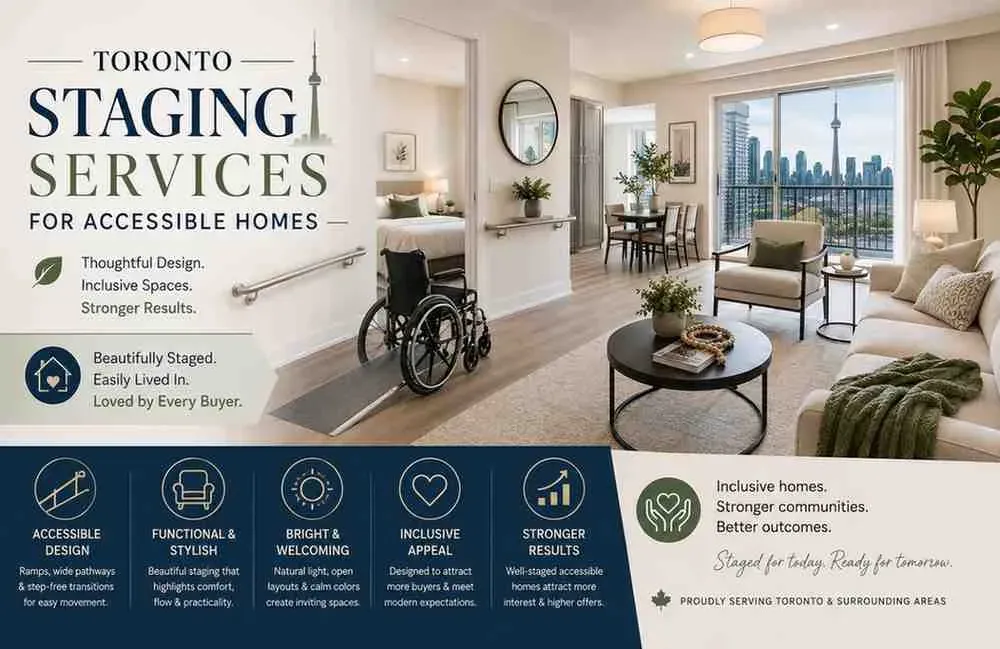
Accessible homes combine thoughtful design with practical features that support comfortable living for people with different mobility needs. Wide hallways, step-free entrances, spacious rooms, and functional layouts provide convenience without compromising style. Effective staging helps these features blend naturally into an attractive interior rather than drawing unnecessary attention to accessibility alone. A balanced presentation allows buyers to appreciate the home’s flexibility, comfort, and long-term value while creating a welcoming atmosphere that appeals to a broad range of lifestyles.
Accessible design benefits many types of households, not only those with mobility concerns. Families with young children, older adults, caregivers, and individuals planning for long-term living often appreciate homes that provide easy movement and practical layouts.
Moreover, accessible properties frequently include open floor plans, generous circulation areas, and thoughtful architectural details that enhance everyday convenience.
However, buyers should first notice comfort and visual appeal rather than specialized features. Thoughtful staging creates that balance while allowing accessibility to become a natural advantage.
Consequently, buyers experience the property as a comfortable home rather than a highly customized space.
Create a Welcoming First Impression
The entrance establishes buyer expectations before the rest of the property comes into view.
Prepare the entry by focusing on:
- Clean walkways
- Fresh neutral paint
- Bright lighting
- Spotless flooring
- Organized storage
- Healthy greenery
- Well-maintained hardware
- Minimal decorative accessories
Furthermore, keep entrances free from unnecessary furniture and obstacles.
An open, uncluttered entry immediately communicates comfort while encouraging buyers to continue naturally through the home.
Highlight Spacious Layouts
Accessible homes often provide generous circulation throughout every room.
Allow buyers to experience that advantage naturally.
Maintain Open Walking Paths
Arrange furniture to maximize movement.
Keep clear pathways around:
- Living rooms
- Dining spaces
- Bedrooms
- Hallways
- Kitchens
- Bathrooms
Moreover, avoid oversized furniture that restricts circulation.
Open pathways improve comfort while making rooms appear larger.
Use Balanced Furniture Placement
Position furniture to create conversation areas without reducing available space.
Choose:
- Comfortable sofas
- Accent chairs
- Compact coffee tables
- Side tables
- Neutral rugs
Balanced arrangements improve both functionality and visual appeal.
Stage Living Rooms for Everyday Comfort
Living areas should encourage relaxation while remaining easy to navigate.
Arrange seating so buyers can imagine daily conversations, reading, or entertaining guests.
Furthermore, preserve clear sightlines throughout the room.
Comfortable layouts reinforce the home’s welcoming atmosphere while highlighting spacious interiors.
Use Neutral Colors Throughout the Home
Neutral colors create visual harmony while appealing to the widest range of buyers.
Suitable choices include:
- Soft white
- Warm beige
- Light gray
- Taupe
- Natural wood tones
- Charcoal accents
However, introduce subtle personality through cushions, artwork, and decorative accessories rather than bold paint colors.
Consistent color palettes strengthen the home’s overall presentation.
Present Bedrooms as Relaxing Retreats
Bedrooms should emphasize comfort and simplicity.
Prepare each room using:
- Crisp bedding
- Coordinated pillows
- Bedside lamps
- Neutral artwork
- Simple decorative accents
Moreover, remove unnecessary furniture that reduces walking space.
Spacious bedrooms help buyers appreciate both functionality and comfort.
Keep Bathrooms Fresh and Organized
Bathrooms frequently include practical accessibility features.
Rather than emphasizing those details directly, present the room through cleanliness and thoughtful organization.
Prepare every bathroom by:
- Polishing mirrors
- Folding fresh towels
- Cleaning fixtures
- Organizing cabinets
- Removing personal toiletries
- Replacing worn bath mats
Consequently, buyers focus on quality finishes and attractive design.
Stage the Kitchen for Functionality
The kitchen should communicate efficiency and comfort.
Clear countertops by storing unnecessary appliances.
Display only:
- Fresh fruit
- Wooden cutting board
- Ceramic serving bowl
- Small herb planter
- Neutral tray
Furthermore, organize pantry shelves and cabinets carefully.
Clean workspaces create the impression of generous preparation areas.
Coordinate Every Room
Consistency creates confidence during property viewings.
Repeat similar:
- Flooring tones
- Lighting styles
- Decorative accents
- Fabric textures
- Hardware finishes
Moreover, maintain subtle variations without disrupting the home’s overall design.
Coordinated interiors create smooth visual transitions from room to room.
Use Lighting to Brighten Interiors
Lighting shapes buyer impressions throughout the property.
Layer several sources, including:
- Recessed lighting
- Floor lamps
- Table lamps
- Wall sconces
- Natural daylight
Additionally, clean windows before photography and property showings.
Bright rooms appear larger, fresher, and more welcoming while emphasizing architectural quality.
Create Functional Dining Areas
Dining spaces should reflect comfort, practicality, and easy movement. A thoughtfully arranged dining room helps buyers imagine everyday meals as well as family gatherings without feeling crowded.
Keep the Table Simple
Use understated décor that complements the home’s neutral style.
Suitable additions include:
- White dinnerware
- Linen napkins
- Glassware
- Small floral arrangement
- Neutral serving pieces
Moreover, avoid oversized centerpieces that reduce usable table space. A clean layout keeps attention on the room’s proportions.
Allow Comfortable Circulation
Arrange chairs with enough space for people to move freely around the table.
Furthermore, remove decorative items that interfere with movement between adjoining rooms. Open circulation reinforces the home’s accessible layout while creating a more spacious appearance.
Stage Flexible Rooms
Accessible homes often include rooms that support changing household needs.
Assign every room a clear purpose.
Examples include:
- Guest bedroom
- Home office
- Reading room
- Hobby room
- Sitting area
Consequently, buyers appreciate the property’s flexibility while imagining how each space could meet their own requirements.
Highlight Storage Throughout the Home
Practical storage adds value to accessible homes.
Organize:
- Bedroom closets
- Linen cabinets
- Pantry shelves
- Laundry rooms
- Entry storage
- Utility spaces
Leave visible open space inside cabinets whenever possible.
Moreover, remove unnecessary personal belongings before photography and property showings.
Organized storage creates the impression of greater capacity.
Reduce Personal Items
Neutral presentation helps buyers focus on the home’s features rather than the current occupants.
Remove:
- Family photographs
- Personal collections
- Children’s artwork
- Awards
- Seasonal decorations
- Personal care products
Instead, use tasteful decorative accents that appeal to a wide audience.
Simple styling allows buyers to picture their own lifestyle more easily.
Use Decorative Accessories Sparingly
Accessories should support the home’s appearance without creating clutter.
Choose a limited selection such as:
- Decorative bowls
- Green plants
- Sculptural vases
- Soft cushions
However, avoid excessive decorations that compete with architectural features.
Balanced styling creates a calm and welcoming atmosphere.
Prepare Outdoor Areas
Outdoor spaces should reflect the same level of care as the interior.
Maintain:
- Clean pathways
- Comfortable seating
- Healthy landscaping
- Outdoor lighting
Furthermore, remove damaged furniture and unnecessary equipment before every showing.
A well-maintained exterior reinforces the home’s overall presentation.
Highlight Architectural Features
Accessible homes often include thoughtful design details.
Draw attention to:
- Wide doorways
- Spacious hallways
- Open floor plans
- Large windows
- Quality flooring
- Built-in storage
Moreover, ensure every surface remains spotless so buyers focus on craftsmanship rather than maintenance.
Prepare the Home for Photography
Listing photographs create important first impressions.
Before photography:
- Turn on all lighting.
- Open curtains.
- Straighten furniture.
- Remove clutter.
- Polish mirrors.
- Clean windows.
- Arrange cushions.
- Vacuum flooring.
Balanced lighting and organized rooms help every space appear bright and inviting.
Keep the Design Timeless
Classic interiors continue to appeal to a wide variety of buyers.
Focus on:
- Neutral colors
- Quality furniture
- Durable finishes
- Elegant lighting
- Balanced room layouts
Moreover, avoid short-lived decorating trends that may limit buyer interest.
Some homeowners researching condo staging in Toronto also seek educational information about presenting accessible homes effectively, making timeless staging principles useful across many residential property styles.
Avoid Common Staging Mistakes
Even well-designed accessible homes can lose buyer interest when presentation feels cluttered or inconsistent. Careful preparation allows practical features to complement the overall design instead of competing for attention.
Avoid these common mistakes:
- Overcrowded furniture
- Blocked walkways
- Poor lighting
- Personal photographs
- Excess decorative accessories
- Cluttered countertops
- Untidy storage
- Worn rugs
- Strong odors
- Dirty windows
Moreover, inspect every room before each showing to ensure the property reflects cleanliness, comfort, and thoughtful organization.
Prepare the Entire Home Before Every Showing
A polished presentation strengthens buyer confidence from the entrance to the final room.
Complete this checklist before visitors arrive:
- Turn on interior lighting.
- Open curtains and blinds.
- Dust furniture.
- Wipe countertops.
- Straighten cushions.
- Empty waste bins.
- Water indoor plants if needed.
- Adjust room temperature.
These simple finishing touches help create a welcoming environment while allowing buyers to focus on the home’s strengths.
Help Buyers Picture Everyday Living
Successful staging emphasizes comfort, flexibility, and practical living without drawing unnecessary attention to accessibility features.
Arrange gathering spaces to encourage conversation, define every room with a clear purpose, and maintain organized storage throughout the property. Furthermore, use consistent colors, coordinated furnishings, and balanced décor to create visual harmony.
When buyers can easily imagine daily routines within the home, they often develop a stronger emotional connection to the property.
Conclusion
Thoughtful staging allows accessible homes to showcase comfort, flexibility, and timeless design in a natural way. Open layouts, organized interiors, coordinated décor, and clear circulation help buyers appreciate the property’s practical features without distracting from its overall style. Moreover, a welcoming presentation highlights everyday convenience while appealing to a wide range of households. Careful preparation creates lasting impressions and helps the home’s full potential stand out.
FAQs
1. Why should accessible homes be staged before listing?
Staging highlights spacious layouts, thoughtful design, and comfortable living while helping accessibility features blend naturally into the home’s appearance. Buyers often respond more positively when practical elements support an attractive and welcoming environment.
2. How should furniture be arranged in accessible homes?
Arrange furniture to maintain generous walking paths and open circulation. Comfortable layouts improve movement throughout the home while making rooms appear larger and more inviting during property viewings.
3. Which colors work best for accessible homes?
Neutral shades such as white, beige, gray, taupe, and natural wood tones appeal to many buyers. These colors create calm interiors while emphasizing architectural details and allowing decorative accents to remain subtle.
4. Should accessibility features remain visible during staging?
Yes. Accessibility features should remain in place because they add value for many buyers. Clean presentation and coordinated décor allow these features to integrate naturally into the home’s overall design.
5. How should bathrooms be prepared?
Bathrooms should appear spotless and organized. Polish mirrors, clean fixtures, fold fresh towels, remove personal toiletries, and organize cabinets. A fresh bathroom reinforces buyer confidence in the property’s maintenance.
6. Why is storage important when staging accessible homes?
Organized storage demonstrates functionality and convenience. Buyers often inspect closets and cabinets closely, so tidy spaces with visible empty rooms create the impression of generous storage capacity throughout the property.
7. How should outdoor areas be staged?
Maintain clean pathways, healthy landscaping, organized seating, and clutter-free entrances. Attractive outdoor spaces extend the home’s welcoming atmosphere while supporting easy movement and comfortable everyday living.
8. What personal belongings should homeowners remove?
Remove family photographs, awards, personalized decorations, seasonal displays, children’s artwork, and personal care products. Neutral spaces encourage buyers to imagine their own belongings while creating a cleaner overall appearance.
9. What is the most common staging mistake in accessible homes?
Blocking natural circulation with oversized furniture often reduces buyer appeal. Clear walkways help showcase the home’s spacious layout while emphasizing comfort, safety, and practical everyday functionality.
10. How does thoughtful staging improve buyer interest?
Thoughtful staging creates clean, organized, and welcoming interiors that highlight flexibility and comfort. Buyers can more easily picture daily living, recognize the property’s practical benefits, and form a stronger emotional connection during their visit.