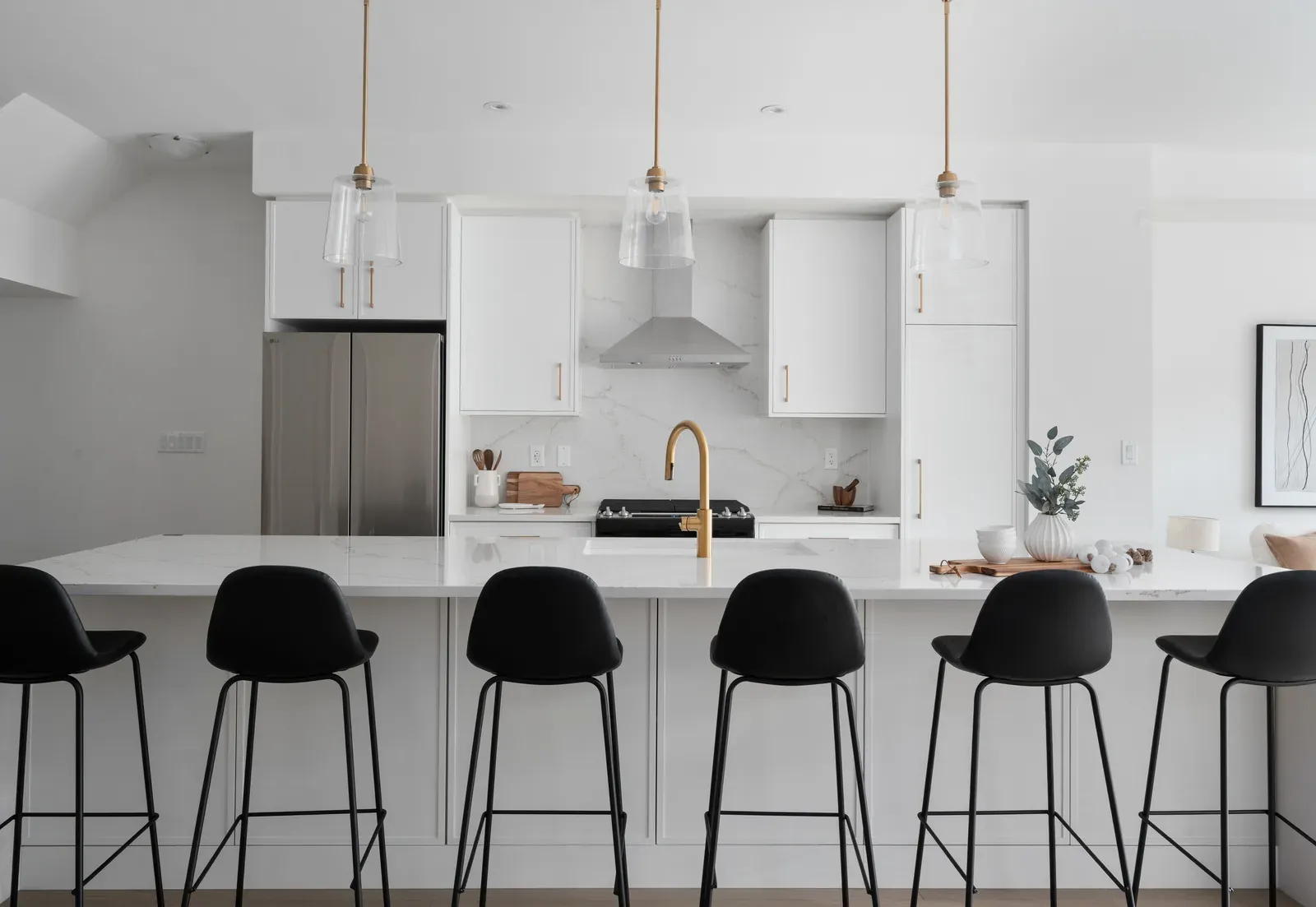
Property presentation plays a decisive role in attracting buyers and influencing value perception. Sellers often face a critical choice between staging and renovation when preparing a home for sale. While both approaches aim to improve appeal, they operate differently and deliver distinct outcomes. Therefore, selecting the right method requires clarity on goals, budget, and timeline.
Moreover, staging focuses on visual presentation and emotional connection, whereas renovation addresses structural or aesthetic upgrades. Consequently, each strategy serves a specific purpose, and its effectiveness varies based on property condition and market expectations.
Defining Staging and Renovation
Staging involves arranging furniture, décor, and lighting to present a home in its most appealing form. It emphasizes cleanliness, organization, and style. As a result, buyers perceive the property as inviting and functional.
In contrast, renovation includes physical changes such as upgrading kitchens, repairing fixtures, or altering layouts. These improvements enhance durability and usability. However, renovations often require more time and financial investment.
Therefore, staging enhances perception, while renovation modifies reality. Both approaches influence buyer behavior, but they operate through different mechanisms.
Financial Considerations and Budget Impact
Budget often determines whether staging or renovation becomes the preferred option. Staging typically requires a lower upfront investment. It focuses on temporary enhancements rather than permanent changes. Consequently, sellers can achieve noticeable improvements without significant financial strain.
On the other hand, renovation demands higher costs due to labor, materials, and potential delays. While certain upgrades may increase property value, not all renovations guarantee a strong return. Therefore, sellers must evaluate whether the investment aligns with expected gains.
Key financial differences include:
- Staging requires lower initial spending
- Renovation involves a higher capital investment
- Staging offers faster cost recovery
- Renovation carries the risk of overspending
Thus, budget constraints often favor staging as a practical solution.
Time Efficiency and Market Readiness
Time plays a crucial role in property sales. Staging delivers quick results, often within days. It prepares a home for listing without significant disruption. Consequently, sellers can enter the market faster and capitalize on buyer interest.
However, renovation extends timelines due to planning, construction, and inspections. Delays may occur, which can affect listing schedules. Moreover, prolonged preparation may lead to missed opportunities in active markets.
Therefore, staging suits sellers who require speed, while renovation suits those who can accommodate longer timelines.
Impact on Buyer Perception
Buyer perception influences decision-making at every stage. Staging creates an immediate emotional response. It allows buyers to visualize themselves living in the space. As a result, they feel more connected and engaged.
In contrast, renovation appeals to practicality. Buyers appreciate updated features and modern finishes. However, they may still struggle to imagine how the space will feel once furnished.
Consequently, staging often generates stronger emotional engagement, while renovation provides reassurance about quality and condition.
Flexibility and Adaptability
Staging offers flexibility because it does not involve permanent changes. Sellers can adjust styles, layouts, or themes based on buyer preferences. This adaptability ensures broader appeal.
Renovation, however, locks in design choices. Once completed, changes require additional effort and expense. Therefore, incorrect design decisions may limit appeal rather than enhance it.
Key flexibility factors include:
- Staging allows quick adjustments
- Renovation commits to fixed designs
- Staging adapts to market trends
- Renovation risks outdated choices
Thus, staging provides a more adaptable approach to presentation.
Risk Factors and Uncertainty
Every property improvement carries some level of risk. Staging presents minimal risk because it does not alter the structure. If results fall short, adjustments can occur بسهولة and without major cost.
Renovation introduces a higher risk due to construction challenges, budget overruns, and unforeseen issues. Additionally, certain upgrades may not align with buyer preferences, reducing their effectiveness.
Therefore, staging offers a safer path, while renovation requires careful planning to avoid negative outcomes.
Return on Investment Comparison
Return on investment remains a key consideration. Staging often delivers a strong return by increasing buyer interest and reducing time on the market. Moreover, it enhances perceived value without significant expense.
Renovation can also yield returns, particularly when addressing outdated or damaged areas. However, not all upgrades produce equal benefits. Some improvements may exceed buyer expectations without increasing the sale price proportionally.
Consequently, staging provides consistent returns, while renovation outcomes vary based on execution and market conditions.
When Staging Becomes the Better Choice
Certain situations favor staging over renovation. These scenarios typically involve properties that require cosmetic improvements rather than structural changes.
Staging proves effective when:
- The property remains structurally sound
- Budget limitations restrict major upgrades
- Sellers need a quick market entry
- The home lacks visual appeal due to clutter or emptiness
In such cases, staging enhances presentation efficiently and effectively.
When Renovation Becomes Necessary
Despite its advantages, staging cannot resolve underlying issues. Renovation becomes essential when the property shows signs of wear or outdated infrastructure.
Renovation suits situations such as:
- Damaged flooring or walls
- Outdated kitchens or bathrooms
- Functional deficiencies in layout
- Safety or compliance concerns
Therefore, renovation addresses problems that staging cannot conceal or correct.
Combining Both Strategies for Maximum Impact
In many cases, combining staging and renovation yields the best results. Minor renovations can address critical issues, while staging enhances visual appeal. This balanced approach ensures both functionality and presentation.
For example, updating fixtures or repainting walls can refresh a space. Subsequently, staging can highlight these improvements and create an inviting atmosphere. Consequently, buyers perceive both quality and style.
Thus, integration of both strategies often produces optimal outcomes.
Market Trends and Buyer Expectations
Buyer expectations continue to evolve. Many buyers seek homes that feel move-in ready. Therefore, both staging and renovation contribute to meeting these expectations.
However, staging aligns more closely with emotional engagement, while renovation aligns with practical needs. Sellers must evaluate which aspect holds greater importance for their target audience.
Moreover, consulting professionals, such as a Toronto staging company, can provide insights into local preferences and market behavior. This perspective helps refine strategy and improve results.
Psychological Influence on Buyer Decisions
Psychology plays a critical role in real estate transactions. Staging leverages this by creating a welcoming and aspirational environment. Buyers often respond positively to spaces that feel organized and thoughtfully designed.
In contrast, renovation appeals to logic by demonstrating durability and modernity. However, emotional connection often drives initial interest. Therefore, staging tends to influence early decisions, while renovation supports final evaluations.
Consequently, both strategies contribute differently to the buyer journey.
Long-Term Value Versus Immediate Appeal
Renovation often delivers long-term value by improving structural integrity and functionality. These upgrades can benefit homeowners beyond the sale process. However, they require significant commitment.
Staging focuses on immediate appeal. It enhances the property’s presentation for a specific purpose. Once the sale concludes, staging elements no longer remain relevant.
Therefore, sellers must decide whether they prioritize long-term improvements or short-term impact.
Practical Decision-Making Framework
Selecting between staging and renovation requires a structured approach. Sellers should evaluate several factors before making a decision.
Consider the following:
- Property condition and existing issues
- Budget availability and financial goals
- Market demand and buyer expectations
- Timeline for listing and sale
- Potential return on investment
By analyzing these elements, sellers can choose the most suitable strategy.
Conclusion
Staging and renovation serve distinct yet complementary roles in property preparation. Staging enhances visual appeal, fosters emotional connection, and delivers quick results. Renovation improves functionality, addresses structural issues, and supports long-term value.
However, the better option depends on specific circumstances. Sellers must align their strategy with property condition, budget, and market conditions. In many cases, combining both approaches creates the strongest impact.
Ultimately, effective presentation and thoughtful improvements drive buyer interest, increase showings, and support successful transactions.
FAQs
1. What is the main difference between staging and renovation?
Staging focuses on visual presentation through furniture and décor, while renovation involves physical upgrades to the property. Staging enhances appeal without altering structure. Renovation changes the home’s condition and functionality. Both strategies aim to attract buyers, but they operate through different methods and investment levels.
2. Which option costs less, staging or renovation?
Staging generally costs less because it involves temporary improvements. Renovation requires materials, labor, and time, which increases expenses. Therefore, staging suits sellers with limited budgets. However, necessary repairs may still require renovation to ensure the property meets basic standards and buyer expectations.
3. Does staging increase property value?
Staging does not directly increase structural value, but it enhances perceived value. Buyers often view staged homes as more attractive and functional. Consequently, they may feel more willing to pay a higher price. This perception can lead to better offers and faster sales outcomes.
4. When should renovation take priority over staging?
Renovation should take priority when the property has visible damage, outdated features, or safety concerns. Buyers may overlook staging if major issues exist. Therefore, addressing structural or functional problems ensures the home meets expectations before focusing on presentation and styling improvements.
5. Can staging and renovation work together effectively?
Yes, combining both strategies often produces strong results. Renovation can fix critical issues, while staging enhances visual appeal. This combination ensures the home looks attractive and functions properly. As a result, buyers feel confident and emotionally connected, increasing interest and engagement.
6. How does staging influence buyer emotions?
Staging creates a welcoming environment that encourages buyers to imagine living in the space. Thoughtful design, lighting, and layout evoke comfort and connection. Consequently, buyers feel more engaged and interested. Emotional responses often lead to increased showings and stronger purchase intent.
7. Does renovation guarantee a higher selling price?
Renovation does not guarantee a higher price. While certain upgrades add value, others may not align with buyer preferences. Overspending on renovations can reduce profitability. Therefore, careful planning and market research remain essential to ensure that improvements deliver meaningful returns.
8. Is staging suitable for all types of properties?
Staging suits most properties, especially those in good condition. It works well for vacant homes, cluttered spaces, or properties lacking visual appeal. However, staging alone cannot address structural issues. Therefore, sellers must evaluate whether additional improvements are necessary.
9. How long does staging take compared to renovation?
Staging typically takes a few days, making it a quick solution for preparing a property. Renovation requires more time due to planning and construction. Delays may occur, extending the timeline. Therefore, staging suits sellers who need to list their property without significant waiting periods.
10. Which option attracts more buyer showings?
Staging often attracts more showings because it enhances visual appeal and online presentation. Buyers respond to well-designed spaces and engaging photos. Renovation supports value but may not create the same immediate attraction. Therefore, staging plays a key role in increasing initial buyer interest.