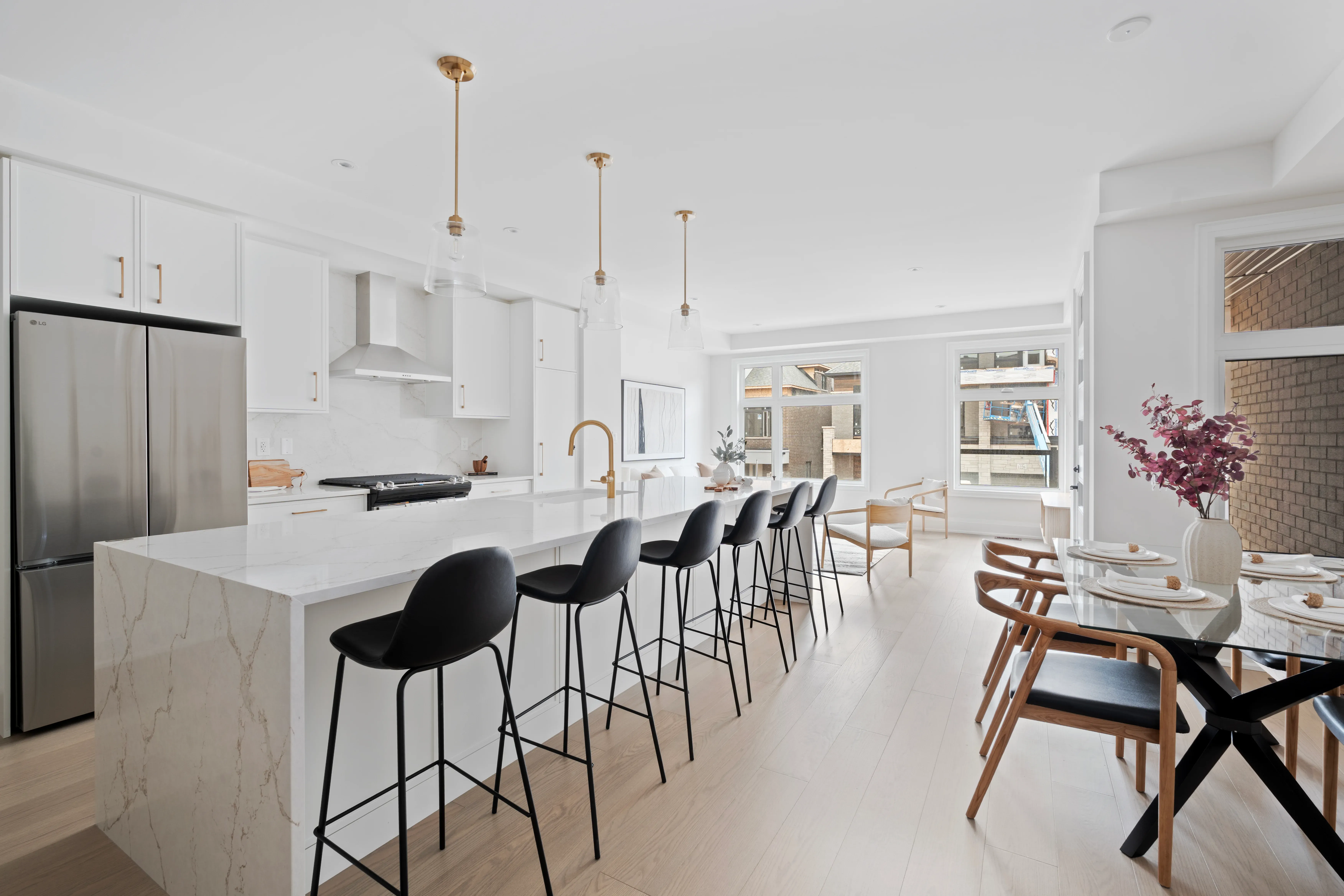
Homebuyers scroll through dozens of listings before selecting which homes deserve an in-person visit. Photos, virtual tours, and listing impressions shape whether a property earns attention or gets skipped. Staging plays a powerful role in driving those decisions. A staged residential home doesn’t simply look appealing. It creates visual confidence that encourages buyers to book a showing instead of moving on to another listing.
Property owners preparing listings often consult structured presentation methods used by a staging company in Toronto homeowners frequently rely on when they want their properties to stand out in competitive residential markets. Effective staging strategies shape perception from the first online glance to the moment buyers step inside, increasing the likelihood of scheduled tours and repeat visits.
Why Showings Matter More Than Listing Views?
Online views generate interest, but physical visits generate an emotional connection. Buyers make real decisions after stepping into a home and experiencing its atmosphere, layout, and comfort level. The more showings a property receives, the greater its chance of receiving serious offers.
Staging increases showing activity because buyers feel confident that the home will match listing expectations. When a property looks inviting in photos, buyers feel motivated to see it in person rather than scrolling past.
Strong First Photo Impact Drives Showing Requests
Buyers usually decide whether to open a listing within seconds. The first image acts as the gateway. Staging enhances that first image by creating balanced layouts, appealing lighting, and clutter-free visuals.
A strong first impression builds curiosity. Buyers want to see more rooms, more angles, and eventually the entire property. When staging improves the lead image, showing requests often follow naturally.
Exterior Presentation Creates Instant Interest
Curb appeal sets the emotional tone before buyers enter the home. A well-presented exterior signals care and pride of ownership.
Effective exterior staging includes:
- Clean pathways and entry areas
- Fresh landscaping with trimmed greenery
- Welcoming porch details
- Balanced lighting for evening showings
When buyers feel positive before stepping inside, they approach the showing with excitement instead of skepticism.
Decluttering Expands Visual Space in Listing Photos
Clutter distracts buyers and makes rooms feel smaller. Staging removes unnecessary items, allowing architectural features and room size to stand out clearly.
Clean surfaces and organized décor help buyers focus on layout rather than belongings. When rooms look open and functional, buyers feel encouraged to schedule visits to confirm that feeling in person.
Furniture Placement Improves Room Functionality
Empty rooms confuse buyers, while overcrowded rooms create discomfort. Strategic furniture placement shows scale and purpose without overwhelming the space.
Proper staging highlights how buyers can use each room effectively. When buyers easily understand room functions from photos and walkthroughs, they feel more confident about scheduling tours.
Neutral Styling Appeals to Broader Buyer Preferences
Residential buyers carry different tastes, lifestyles, and expectations. Neutral styling reduces emotional barriers by creating a flexible atmosphere.
Balanced color palettes and simple décor allow buyers to imagine their own furniture and personal style fitting naturally. When buyers see possibilities rather than limitations, requests increase.
Lighting Enhancements Increase Online Engagement
Lighting influences how rooms appear in photography and video tours. Bright yet soft lighting creates warmth and clarity.
Staging strategies often involve:
- Opening window treatments
- Using layered interior lighting
- Replacing outdated bulbs with warm-toned options
Well-lit rooms appear more inviting and photograph more effectively, which encourages buyers to book showings.
Creating Lifestyle Moments Strengthens Emotional Appeal
Buyers respond strongly to homes that suggest lifestyle benefits. Staging can create subtle scenes that inspire imagination.
Examples include:
- A reading corner that suggests relaxation
- A dining setup that hints at gatherings
- A cozy living area that reflects comfort
These visual cues encourage buyers to picture daily routines, increasing emotional attachment and showing interest.
Cleanliness Builds Immediate Buyer Confidence
Clean homes photograph better and feel more inviting during showings. Buyers associate cleanliness with maintenance and reliability.
Staging includes deep cleaning, surface polishing, and organized storage. Buyers trust homes that feel fresh and cared for, which increases their willingness to schedule viewings.
Consistent Styling Across Rooms Builds Visual Flow
Buyers often hesitate when homes feel disconnected. Sharp style changes between rooms disrupt visual rhythm and reduce emotional comfort.
Consistent staging themes create smooth transitions throughout the home. Buyers feel continuity, which strengthens overall appeal and encourages property visits.
Staging Highlights Unique Residential Features
Every home offers features that can attract buyers, such as fireplaces, large windows, or open layouts. Staging draws attention to these highlights through placement and lighting.
When buyers notice distinctive features clearly in listings, they feel motivated to see them in person.
Organized Storage Areas Attract Practical Buyers
Storage capacity strongly influences showing decisions. Buyers often examine closets, pantries, and garages closely.
Staging organizes storage spaces to demonstrate functionality and accessibility. Buyers feel reassured when storage areas appear spacious and efficient.
Bedroom Staging Encourages Emotional Connection
Bedrooms represent privacy and relaxation. Proper staging creates calm, balanced environments that invite buyers to imagine personal comfort.
Simple bedding, symmetrical furniture placement, and minimal décor create inviting bedroom visuals that encourage showing interest.
Kitchen Staging Increases Lifestyle Appeal
Kitchens serve as emotional anchors for many buyers. Staging focuses on clarity and usability.
Clear countertops, subtle decorative accents, and organized cabinetry make kitchens feel functional and welcoming. Buyers often prioritize kitchen presentation when deciding which homes to tour.
Bathroom Presentation Supports Buyer Confidence
Bathrooms influence cleanliness perception strongly. Staging enhances bathrooms through fresh linens, neutral tones, and clear surfaces.
Buyers respond positively to bathrooms that appear hygienic and well-maintained, increasing their desire to visit the property.
Strategic Scent Supports Positive First Impressions
Buyers react quickly to scent when entering a home. Staging uses subtle, natural freshness rather than overpowering fragrances.
Pleasant air quality reinforces cleanliness and comfort, strengthening showing experiences and encouraging buyer interest.
Key Staging Strategies That Increase Showing Activity
- Decluttering and simplifying décor
- Enhancing lighting and natural brightness
- Creating functional furniture layouts
- Maintaining consistent styling themes
- Highlighting lifestyle-focused spaces
- Organizing storage areas effectively
These strategies increase buyer curiosity and engagement.
Virtual Tour Readiness Expands, Showing Opportunities
Many buyers review virtual tours before booking in-person visits. Staging ensures rooms appear balanced from multiple angles and camera perspectives.
Homes that perform well in virtual tours often receive higher showing requests because buyers already feel comfortable with the layout.
Seasonal Staging Keeps Listings Relevant
Residential buyers respond to seasonal atmosphere. Light textiles and bright accents suit warmer months, while layered textures create warmth during colder seasons.
Seasonally appropriate staging helps homes feel current and appealing throughout listing periods.
Staging Reduces Buyer Overwhelm
Overly decorated homes create sensory overload. Buyers struggle to focus and often skip scheduling visits.
Staging uses restraint to maintain clarity. Buyers appreciate homes that feel calm and approachable, increasing showing interest.
Emotional Storytelling Through Staging
Buyers connect with homes that tell subtle lifestyle stories. Staging communicates how spaces support relaxation, family interaction, and daily routines.
When buyers feel emotionally engaged, they move from curiosity to action, often scheduling showings quickly.
How Staging Strengthens Listing Market Position?
Homes that photograph well and show consistently strong presentation often gain competitive visibility. Buyers and agents share listings that appear inviting and easy to view.
Increased exposure naturally leads to more showing requests.
Residential Buyers Prioritize Comfort and Practicality
Unlike investment buyers, residential buyers focus heavily on lifestyle alignment. Staging highlights how homes support daily routines, storage needs, and family interaction.
When buyers feel that alignment, they show greater interest in visiting the property.
Staging Builds Trust Before Buyers Enter the Home
Buyers form expectations through listing visuals. Staging ensures the home delivers the same welcoming atmosphere during physical tours.
When expectations match reality, buyers feel confident and engaged, leading to stronger showing momentum.
The Long-Term Influence of Strong Staging Strategies
Homes that attract consistent showing traffic maintain market visibility and buyer engagement. Staging continues influencing perception throughout the listing period, helping properties remain competitive.
Strong presentation reduces listing fatigue and keeps buyer interest active.
Conclusion
Showings create opportunity. The more buyers step inside a home, the greater the chance of emotional connection and serious offers. Staging strengthens that opportunity by shaping perception, enhancing visual clarity, and building buyer comfort.
Residential properties benefit significantly from staging because buyers focus heavily on lifestyle and emotional connection. When staging presents a home as inviting, functional, and balanced, buyers respond with curiosity and confidence. That response often leads to increased showing requests, stronger engagement, and smoother selling outcomes.