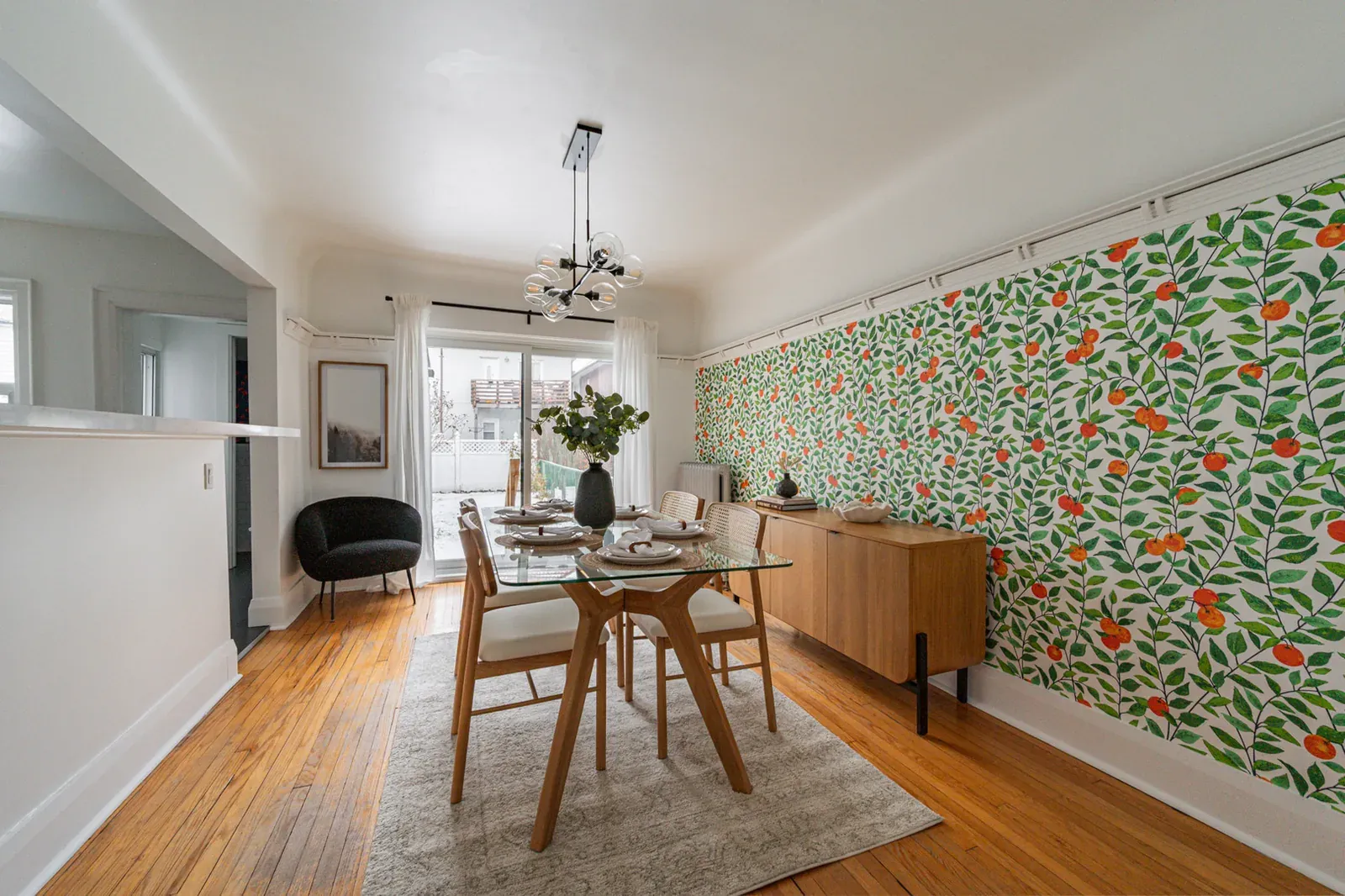
Million-dollar homes operate within a distinct segment where expectations rise significantly. Buyers entering this category do not simply evaluate space or finishes; they assess lifestyle alignment, privacy, and overall presentation. Staging must respond to these expectations with precision and clarity.
Luxury buyers often approach a property with defined standards. They expect cohesion, refinement, and immediate emotional engagement. Any inconsistency can weaken perception quickly. A staged environment must therefore communicate excellence at every level.
Staging at this price point involves more than decoration. It requires a deliberate strategy that balances design, functionality, and emotional resonance. Each choice must reinforce the home’s value and uniqueness.
Establishing a Strong Visual Identity
Every million-dollar property benefits from a clear visual identity. This identity defines how the home feels and distinguishes it from competing listings. Staging should reinforce this identity consistently across all rooms.
A cohesive visual direction includes:
- A unified color palette
- Complementary materials and textures
- Consistent furniture styles
- Balanced decorative elements
Without a defined identity, even a luxurious home can feel fragmented. Buyers respond more positively when the entire space tells a consistent story. This clarity supports a stronger emotional connection and improves memorability.
Prioritizing Architectural Features
Luxury properties often include architectural elements that set them apart. High ceilings, expansive windows, custom millwork, and unique layouts deserve attention. Staging should highlight these features rather than compete with them.
Strategic placement of furniture and lighting can direct focus toward these elements. For example, a seating arrangement can frame a large window, while minimal décor can emphasize structural details.
When buyers notice these features easily, they perceive the property as more valuable. Highlighting architecture ensures that the home’s strengths remain central to the presentation.
Creating Defined Living Experiences
Million-dollar homes often include expansive layouts. Without careful staging, these spaces can feel overwhelming or undefined. Each area must communicate a clear purpose.
Key living experiences to establish include:
- Relaxation zones with comfortable seating
- Dining areas that suggest entertaining
- Private spaces for rest and retreat
- Functional areas that support daily routines
Defined experiences help buyers visualize how they would live in the home. This clarity strengthens emotional engagement and reduces uncertainty during the viewing process.
Mastering Scale and Proportion
Scale plays a critical role in luxury staging. Large spaces require furniture that complements their dimensions. Small or mismatched pieces can disrupt balance and reduce impact.
Effective staging considers:
- Proportional furniture sizes
- Adequate spacing between elements
- Visual balance across the room
- Avoidance of overcrowding
Proper scale ensures that the space feels complete without appearing cluttered. Buyers often associate balanced proportions with thoughtful design and higher quality.
Using Lighting to Enhance Depth
Lighting shapes perception more than any other element. In million-dollar homes, it must create depth, warmth, and visual interest. A single light source rarely achieves this effect.
Layered lighting remains essential. Combine ambient, task, and accent lighting to achieve balance. Each layer should serve a purpose and contribute to the overall atmosphere.
Natural light also plays a significant role. Clean windows and unobstructed views maximize brightness. Artificial lighting should complement rather than overpower this effect.
A well-lit home feels inviting and refined. Buyers respond positively to spaces that appear bright yet comfortable.
Incorporating Texture for Sophistication
Texture introduces depth and richness to luxury interiors. It prevents spaces from feeling flat and adds a tactile quality that enhances appeal.
Common textures used in staging include:
- Soft fabrics such as velvet or linen
- Natural wood finishes
- Stone or marble surfaces
- Subtle metallic accents
These elements should work together rather than compete. Balanced texture creates visual interest while maintaining elegance.
Buyers often interpret layered textures as a sign of quality and attention to detail.
Curating Furniture with Intent
Furniture selection must align with the home’s identity and scale. Each piece should contribute to the overall narrative without dominating the space.
Important considerations include:
- Clean lines and refined silhouettes
- High-quality materials
- Comfortable yet structured seating
- Cohesive color coordination
Furniture should feel purposeful rather than decorative. Buyers should perceive it as part of a complete lifestyle rather than temporary staging.
Intentional curation reinforces the property’s value and enhances its presentation.
Maintaining Visual Clarity
Clarity remains essential in luxury staging. Overly complex designs can distract buyers and reduce focus on the property itself. Simplicity allows key features to stand out.
Maintaining clarity involves:
- Limiting decorative items
- Avoiding excessive patterns
- Keeping surfaces clean and organized
- Ensuring consistent design language
A clean visual environment feels calm and sophisticated. Buyers can process the space, which improves their overall experience.
Highlighting the Kitchen as a Central Feature
The kitchen often serves as a focal point in high-value homes. It must appear both functional and visually appealing. Staging should emphasize cleanliness, organization, and subtle elegance.
Key elements to consider include:
- Clear countertops with minimal accessories
- Coordinated bar seating
- Balanced lighting
- Subtle decorative accents
The kitchen should feel ready for use while maintaining a refined appearance. Buyers often view this space as a reflection of the home’s overall quality.
Enhancing Bedrooms for Comfort and Privacy
Bedrooms in million-dollar homes must convey comfort, privacy, and relaxation. Staging should create an environment that feels inviting without excessive decoration.
Important aspects include:
- High-quality bedding
- Minimal yet elegant décor
- Organized storage areas
A well-staged bedroom allows buyers to imagine rest and retreat. This emotional connection can significantly influence their perception of the home.
Elevating Bathrooms with Subtle Luxury
Bathrooms often play a decisive role in luxury properties. They must feel clean, polished, and slightly indulgent. Staging should emphasize simplicity and quality.
Enhancements may include:
- Fresh towels in neutral tones
- Minimal accessories
- Clean surfaces and fixtures
- Soft lighting
These details create a spa-like atmosphere. Buyers respond positively to spaces that feel both functional and relaxing.
Integrating Outdoor Living Spaces
Outdoor areas extend the living experience. Million-dollar homes often include patios, terraces, or landscaped gardens that require equal attention.
Effective outdoor staging includes:
- Comfortable seating arrangements
- Defined dining or lounge areas
- Subtle lighting for ambiance
- Clean and maintained landscaping
Outdoor spaces should feel like natural extensions of the interior. Buyers often value these areas as much as indoor rooms.
Avoiding Common High-End Staging Mistakes
Even luxury properties can suffer from staging errors. Avoiding these mistakes ensures a stronger presentation.
Common issues include:
- Overcrowding large spaces
- Using inconsistent design styles
- Ignoring scale and proportion
- Blocking natural light
- Overdecorating with unnecessary items
Addressing these problems improves clarity and enhances buyer perception.
Leveraging Professional Expertise
Professional staging brings structure and insight to the process. Experts evaluate the property and apply strategies that align with buyer expectations.
A Toronto staging company can provide tailored solutions based on market preferences and property characteristics. Their approach ensures that each space feels cohesive and purposeful.
Professional involvement often leads to stronger results by combining design expertise with market awareness.
Creating Emotional Engagement
Emotional engagement remains a key factor in luxury real estate. Buyers must feel connected to the property beyond its physical attributes.
Staging can encourage this connection by:
- Creating inviting seating areas
- Highlighting lifestyle possibilities
- Maintaining warmth and comfort
- Ensuring visual harmony
When buyers imagine themselves living in the home, they become more likely to act. Emotional engagement often drives final decisions.
Strengthening Market Position
Million-dollar homes compete within a selective market. Strong staging can differentiate a property and improve its position.
A well-staged home often receives:
- Increased buyer interest
- More viewing requests
- Stronger offers
- Reduced time on the market
These outcomes reflect the importance of presentation in achieving success.
Conclusion
Staging million-dollar homes requires precision, balance, and strategic thinking. Each element must contribute to a cohesive and refined presentation that aligns with buyer expectations.
By focusing on design consistency, scale, lighting, and emotional appeal, sellers can elevate their properties effectively. This approach enhances perception, strengthens engagement, and supports better results in the luxury market.
A well-staged home does not simply display features. It creates an experience that resonates with buyers and encourages confident decisions.
FAQs
1. Why is staging important for million-dollar homes?
Staging enhances presentation and aligns the property with buyer expectations. It highlights key features, creates emotional appeal, and helps buyers visualize living in the space, which can lead to stronger offers.
2. How does staging affect perceived value?
Staging improves perceived value by presenting the home in its best condition. Buyers often associate polished environments with higher quality, which can influence their willingness to pay.
3. What role does lighting play in luxury staging?
Lighting shapes mood and highlights architectural features. Balanced lighting creates depth and warmth, making the home feel more inviting and refined.
4. Can staging help large spaces feel more inviting?
Staging adds structure to large spaces by defining zones and maintaining balance. This approach prevents the area from feeling empty and improves overall comfort.
5. What colors work best in luxury staging?
Neutral tones often work best because they create a timeless and elegant backdrop. Subtle variations in texture add depth without overwhelming the space.
6. How important are outdoor spaces in staging?
Outdoor spaces play a significant role in luxury properties. Well-staged exterior areas enhance the overall living experience and increase buyer interest.
7. Should luxury staging include statement pieces?
Statement pieces can enhance the space when used carefully. They should complement the design and create focal points without overpowering the overall aesthetic.
8. How does professional staging improve results?
Professional staging applies design expertise and market insight. It ensures that the property aligns with buyer expectations and presents itself effectively.
9. What mistakes should be avoided in luxury staging?
Common mistakes include overcrowding, inconsistent design, poor lighting, and excessive décor. Avoiding these issues ensures a clear and cohesive presentation.
10. How does staging influence buyer decisions?
Staging creates emotional connections and improves clarity. Buyers can visualize their lifestyle within the home, which encourages confidence and faster decisions.