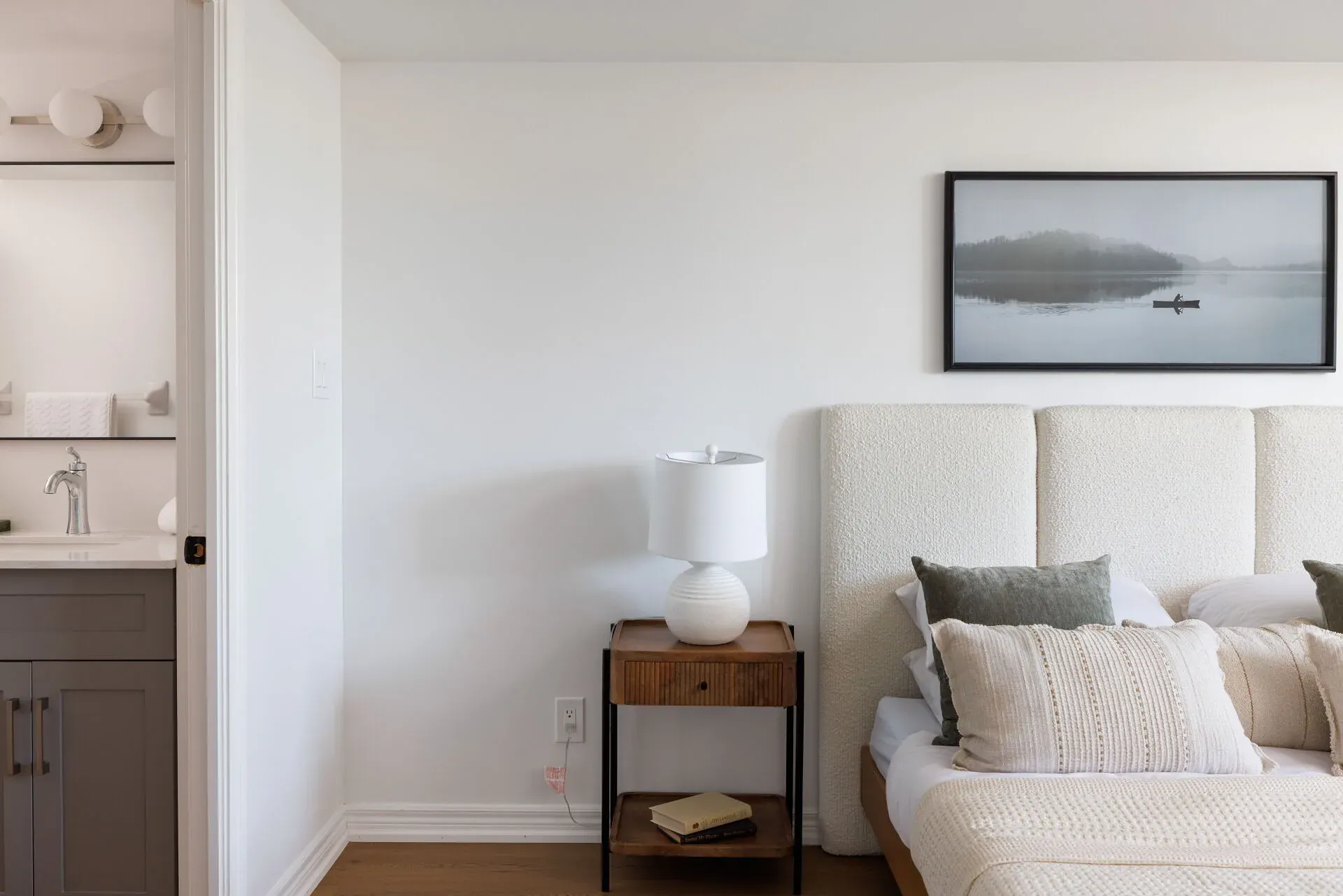
A property listing can lose traction for many reasons. Poor presentation, unclear layouts, or weak visual appeal often discourage buyer interest. As a result, showings decline, and the listing remains stagnant. However, staging fixes can reverse this pattern by addressing key presentation issues.
Moreover, buyers form opinions quickly. If a property fails to impress within seconds, they move on. Consequently, targeted staging improvements can shift perception instantly and restore attention. These fixes do not require structural changes, yet they deliver noticeable results.
Resetting the Visual Narrative
A listing tells a story through images and physical space. When that story lacks clarity, buyers struggle to connect. Staging fixes redefine the narrative by creating a cohesive and appealing environment.
For example, aligning furniture, color schemes, and décor establishes consistency. Moreover, removing distractions allows the property itself to stand out. In contrast, cluttered or mismatched interiors create confusion. Therefore, resetting the visual narrative becomes a powerful first step in saving a listing.
Decluttering as a Foundational Fix
Clutter disrupts perception and reduces space clarity. Buyers often feel overwhelmed when surfaces appear crowded or disorganized. However, decluttering transforms the environment into a clean and inviting space.
Key decluttering actions include:
- Clearing countertops and shelves
- Removing excessive furniture
- Organizing storage areas
- Minimizing personal items
- Creating open visual pathways
Because of these changes, buyers can focus on the property rather than its contents. Consequently, the listing regains appeal and encourages renewed interest.
Reworking Furniture Placement for Flow
Furniture placement influences how buyers move through a home. Poor arrangement can block pathways and make rooms feel smaller. However, strategic placement improves flow and highlights functionality.
For instance, positioning seating to face focal points creates balance. Additionally, leaving space between furniture pieces enhances openness. In contrast, overcrowded layouts restrict movement. Therefore, reworking furniture placement becomes essential for improving perception.
Lighting Adjustments That Transform Ambiance
Lighting affects mood and visibility. Dim or uneven lighting can make a property feel uninviting. Staging fixes often include enhancing both natural and artificial light sources.
Effective lighting improvements involve:
- Opening curtains to maximize daylight
- Adding layered lighting, such as lamps
- Replacing outdated fixtures
- Using warm-toned bulbs for comfort
As a result, spaces appear brighter and more welcoming. Consequently, buyers respond positively to the improved ambiance.
Neutralizing Color for Wider Appeal
Bold or highly personalized colors can limit buyer interest. While such choices may reflect individual taste, they often fail to resonate broadly. Neutralizing color palettes creates a more universally appealing environment.
Soft tones such as whites, grays, and beiges provide a balanced backdrop. Moreover, these colors allow buyers to imagine their own style within the space. In contrast, strong colors may distract or discourage interest. Therefore, neutralization plays a crucial role in staging fixes.
Enhancing Entry Points for Stronger First Impressions
The entry area sets the tone for the entire property. If this space appears cluttered or uninviting, buyers may form negative impressions immediately. However, simple staging fixes can transform this critical area.
Consider the following adjustments:
- Adding a clean doormat or subtle décor
- Ensuring proper lighting
- Removing unnecessary items
- Creating a clear path into the home
Because of these improvements, buyers experience a welcoming transition. Consequently, their perception improves from the moment they enter.
Highlighting Key Features Strategically
Every property offers unique strengths, yet these features may remain unnoticed without proper emphasis. Staging fixes focus on drawing attention to these elements through design and placement.
For example, arranging furniture to face large windows highlights natural light. Similarly, minimal décor around architectural features ensures they stand out. In contrast, clutter can overshadow these strengths. Therefore, strategic highlighting enhances overall appeal.
Creating Defined Spaces in Open Layouts
Open layouts can confuse buyers if spaces lack definition. Without clear boundaries, rooms may appear undefined or impractical. Staging fixes address this issue by assigning a purpose to each area.
Techniques for defining spaces include:
- Using rugs to separate zones
- Arranging furniture to indicate function
- Adding subtle décor elements
- Maintaining consistent spacing
As a result, buyers can interpret each area easily. Consequently, the property feels more functional and organized.
Refreshing Textiles and Soft Elements
Worn or outdated textiles can negatively affect perception. Curtains, cushions, and bedding contribute significantly to the overall look. Replacing or updating these elements creates a fresh and cohesive appearance.
Moreover, soft textures add warmth and comfort. Buyers often respond positively to inviting environments. In contrast, faded or mismatched textiles can create a neglected impression. Therefore, refreshing these elements becomes an effective staging fix.
Minimizing Personalization for Broader Connection
Highly personalized spaces can limit buyer engagement. Family photos, unique collections, or specific themes may prevent buyers from visualizing themselves in the home. Staging fixes remove these elements to create neutrality.
Key personalization adjustments include:
- Removing personal photographs
- Simplifying décor choices
- Using neutral artwork
- Maintaining a balanced aesthetic
Because of these changes, buyers can project their own lifestyle onto the space. Consequently, the listing becomes more appealing to a wider audience.
Addressing Minor Imperfections
Small flaws can create disproportionate negative impressions. Scuffed walls, loose handles, or outdated fixtures may signal neglect. Staging fixes often include minor repairs that improve overall presentation.
Examples of simple improvements:
- Touching up paint
- Fixing minor hardware issues
- Cleaning surfaces thoroughly
- Replacing worn accessories
Although these changes seem small, they significantly influence perception. Consequently, buyers view the property as better maintained.
Enhancing Visual Consistency Across Rooms
Consistency strengthens perception and builds trust. When each room follows a cohesive style, the property feels intentional and well-designed. Staging fixes ensure alignment in color, décor, and layout.
In contrast, an inconsistent design can create confusion. Buyers may question the property’s overall quality. Therefore, maintaining visual harmony across all spaces becomes essential for saving listings.
Improving Online Listing Presentation
Online listings often determine whether buyers choose to visit a property. Staging fixes enhance visual content, making photos more engaging and appealing. High-quality images attract more attention and increase interaction.
Important improvements include:
- Professional photography alignment
- Balanced composition in images
- Clear representation of each room
- Consistent lighting across photos
Because of these enhancements, listings regain visibility. Consequently, buyer inquiries and showings increase.
Reinforcing Buyer Confidence Through Presentation
Presentation influences trust. A well-staged property signals care and attention to detail. Buyers often associate visual quality with overall condition.
Moreover, staging fixes reduces doubts about maintenance or hidden issues. In contrast, poorly presented homes may raise concerns. Therefore, improving presentation skills builds confidence and encourages engagement.
Supporting Faster Re-engagement in the Market
Listings that lose momentum require renewed interest. Staging fixes create a fresh impression, which attracts new attention. Updated visuals and improved presentation make the property appear revitalized.
Additionally, buyers who previously overlooked the listing may reconsider. Consequently, staging fixes not only attract new interest but also re-engage existing prospects.
The Influence of Professional Insight
Professional staging involves strategic planning and design expertise. Specialists evaluate the property and identify areas for improvement. Their approach ensures that each fix contributes to a cohesive presentation.
For instance, staging services in Toronto often align design choices with local buyer preferences while maintaining broad appeal. This alignment enhances effectiveness and ensures that staging fixes resonate with the target audience.
Long-Term Benefits Beyond Immediate Impact
Although staging fixes focus on immediate results, they also create lasting impressions. Buyers remember properties that feel organized and inviting. This memory influences future decisions and comparisons.
Moreover, consistent presentation across all touchpoints strengthens perception. Consequently, staging fixes continue to impact buyer behavior even after initial exposure.
Conclusion
Staging fixes play a crucial role in reviving listings that struggle to attract attention. By addressing visual clarity, emotional appeal, and functional presentation, these adjustments reshape buyer perception instantly.
Moreover, staging fixes require relatively low investment compared to structural changes. Yet, they deliver meaningful improvements in engagement and interest. Consequently, sellers can restore momentum and improve outcomes effectively.
Ultimately, a thoughtful presentation transforms how buyers perceive a property. When a listing feels inviting, organized, and purposeful, it regains its ability to attract attention and drive action.
FAQs
1. What are staging fixes in real estate?
Staging fixes refer to targeted improvements that enhance a property’s presentation without structural changes. These include decluttering, rearranging furniture, and improving lighting. As a result, the home appears more appealing, which helps attract buyers and revive listings that have lost momentum.
2. How quickly can staging fixes impact a listing?
Staging fixes can influence perception almost immediately. Once updates appear in photos or during showings, buyers respond differently. Improved visuals and clarity create stronger impressions. Consequently, listings often experience increased interest and engagement shortly after implementing these changes.
3. Do staging fixes require a large budget?
Most staging fixes involve minimal costs compared to renovations. Simple actions such as decluttering, updating textiles, and adjusting lighting can create noticeable improvements. Therefore, sellers can enhance presentation effectively without significant financial investment, making staging fixes a practical option.
4. Can staging fixes help relist a property successfully?
Yes, staging fixes can refresh a property’s image and attract renewed interest. Updated visuals and improved presentation make the listing appear new. Consequently, buyers who previously overlooked the property may reconsider, leading to increased inquiries and showings after relisting.
5. Why does decluttering play a major role in staging?
Decluttering removes distractions and creates a sense of space. Buyers can focus on the property rather than personal items or excess furniture. As a result, rooms appear larger and more organized, which positively influences perception and encourages further interest.
6. How does lighting affect staging results?
Lighting enhances visibility and mood. Bright, balanced lighting makes spaces feel open and inviting. It also highlights key features effectively. Consequently, proper lighting significantly improves how buyers perceive the property both online and during physical visits.
7. Are staging fixes suitable for all types of homes?
Staging fixes benefit most properties, especially those with good structural condition. They improve presentation and appeal without major changes. However, properties with significant damage may require repairs before staging can deliver effective results.
8. Do staging fixes increase buyer confidence?
Yes, improved presentation signals care and maintenance. Buyers associate a well-presented home with better overall condition. Consequently, they feel more confident in their evaluation, which increases the likelihood of scheduling showings and considering the property seriously.
9. Can staging fixes reduce time on the market?
Staging fixes often lead to faster engagement by attracting more buyers. Increased interest creates momentum, which can shorten the time a property remains listed. Consequently, sellers may achieve quicker outcomes compared to listings without proper presentation.
10. What is the main goal of staging fixes?
The primary goal involves improving perception and engagement. Staging fixes enhance visual clarity, highlight strengths, and create emotional appeal. As a result, buyers respond more positively, leading to increased interest, more showings, and improved chances of a successful sale.