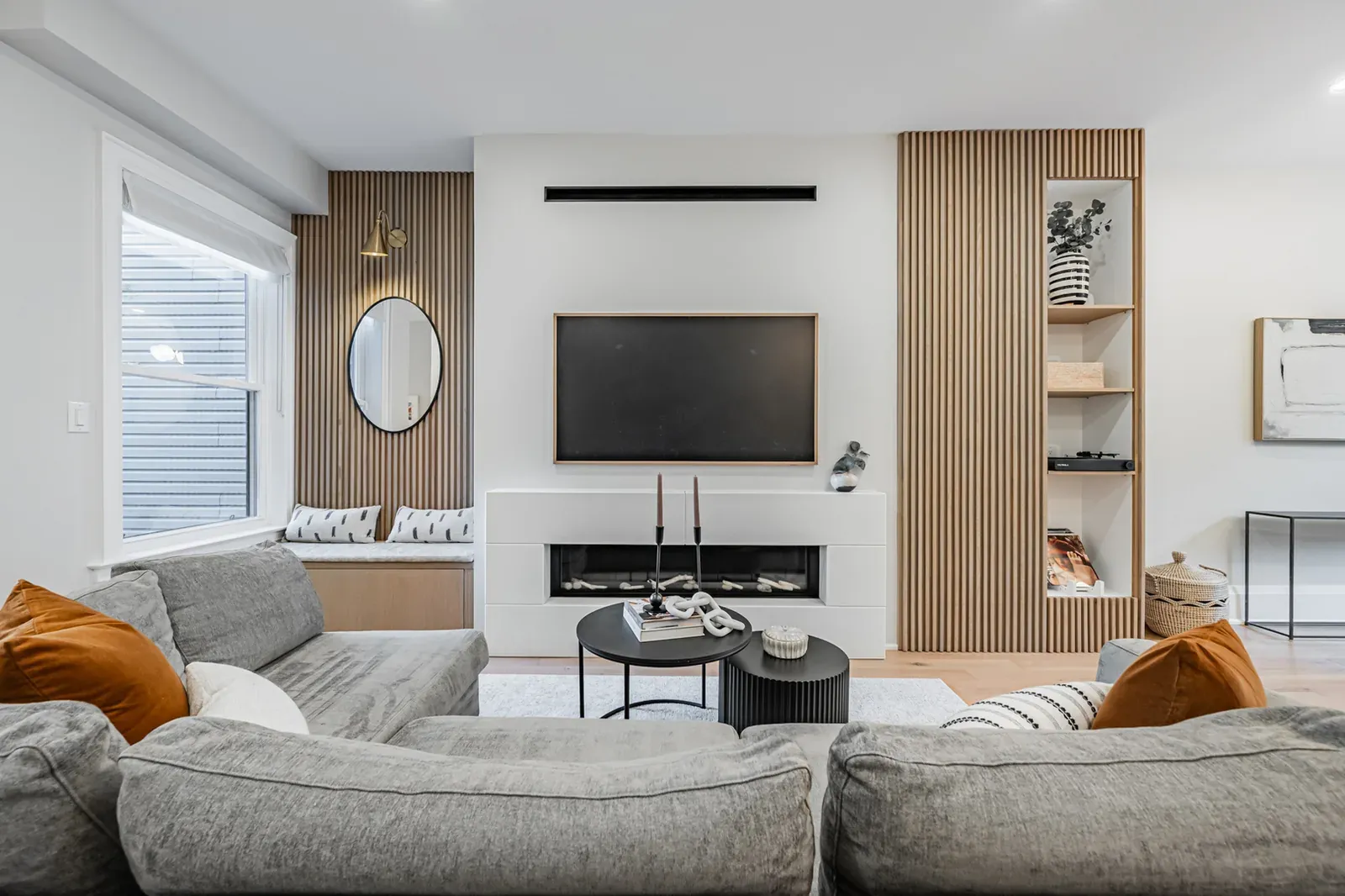
Presentation shapes how buyers react, compare, and decide. Many sellers in competitive markets rely on home staging Toronto strategies to strike the right balance between too much and too little.
Staging does not follow a one-size approach. When done correctly, it enhances a property’s strengths and creates an emotional connection. When pushed too far or handled too lightly, it creates confusion, distraction, or indifference.
Overstaging and understaging sit on opposite ends of the spectrum, yet both can reduce buyer interest and impact final sale outcomes.
What Overstaging Really Means?
Overstaging occurs when a space feels overly designed, crowded, or artificial. Instead of highlighting the home, it shifts attention toward decor and styling choices.
Buyers notice excess. They feel overwhelmed rather than impressed.
Signs of Overstaging
- Too many decorative items in one space
- Bold, trendy pieces that dominate attention
- Furniture that overcrowds rooms
- Excessive layering of textures and colors
- Overly themed or stylized interiors
The space stops feeling like a home and starts feeling like a display setup.
What Understaging Looks Like?
Understaging happens when a property lacks enough visual structure to guide buyers.
Rooms feel incomplete, empty, or uninspiring. Buyers struggle to interpret how the space functions.
Signs of Understaging
- Empty rooms with no furniture
- Minimal or no decor elements
- Poor lighting and lack of warmth
- Undefined room purposes
- Clutter left unaddressed
The absence of staging forces buyers to imagine everything on their own, which rarely works in a fast-paced market.
Why Balance Matters More Than Anything?
Staging works best when it sits in the middle—clean, intentional, and inviting without excess.
Balance creates clarity. It allows buyers to focus on the property rather than distractions.
What Balanced Staging Achieves?
- Clear room functionality
- Comfortable visual flow
- Emotional connection without overwhelm
- Strong yet subtle presentation
This balance drives better engagement and stronger offers.
Buyer Psychology: How Extremes Affect Decisions
Buyers respond quickly to visual cues. Extremes—whether too much or too little—create friction.
Overstaging creates doubt. Buyers question whether the home hides flaws behind decor.
Understaging creates uncertainty. Buyers question how the space works.
Psychological Impact
- Overstaging → Distrust and distraction
- Understaging → Confusion and detachment
Neither state supports confident decision-making.
The Impact on Perceived Space
Space perception plays a major role in real estate.
Overstaging shrinks rooms visually. Too much furniture reduces openness.
Understaging distorts scale. Empty rooms often appear smaller or less functional.
Space Perception Issues
- Overstaging: cramped and cluttered feel
- Understaging: hollow and undefined feel
Balanced staging maintains proportion and flow.
Visual Hierarchy and Focus
Every room needs a focal point. Staging should guide the buyer’s eye.
Overstaging creates too many focal points. Buyers don’t know where to look.
Understaging creates none. Buyers lose interest quickly.
Effective Focus Strategy
- One primary focal point per room
- Supporting elements that enhance, not compete
- Clean visual lines
Clear focus improves how buyers interpret the space.
Online Listing Performance
Digital presentation drives initial interest.
Overstaged homes can look busy or cluttered in photos. Details blend and reduce clarity.
Understaged homes look flat and lifeless. They fail to capture attention.
Listing Challenges
- Overstaging: visual overload in images
- Understaging: lack of depth and appeal
Balanced staging produces clean, engaging photos that stand out.
Emotional Engagement and Comfort
Buyers want to feel comfortable and connected.
Overstaging disrupts comfort. It feels forced and unnatural.
Understaging fails to create emotion. It feels cold and distant.
Emotional Outcomes
- Overstaging: overwhelmed response
- Understaging: no response
- Balanced staging: calm, inviting atmosphere
Comfort leads to longer visits and stronger offers.
The Role of Furniture Selection
Furniture defines how a room functions.
Overstaging often includes too many pieces or oversized items.
Understaging includes too few or poorly scaled pieces.
Furniture Guidelines
- Use proportionate sizing
- Limit quantity to essentials
- Maintain clear pathways
- Avoid blocking natural light
Correct furniture selection supports both flow and clarity.
Color and Texture Balance
Color choices influence mood and perception.
Overstaging often relies on bold contrasts and layered textures.
Understaging lacks variation, making spaces feel dull.
Balanced Approach
- Neutral base colors
- Subtle accents for warmth
- Limited texture layering
This approach keeps the space visually interesting without overwhelming it.
Lighting and Atmosphere
Lighting shapes how a home feels.
Overstaging may introduce excessive decorative lighting that distracts.
Understaging often ignores lighting altogether, leaving rooms dim.
Lighting Principles
- Combine natural and artificial light
- Use warm tones for comfort
- Avoid harsh or uneven lighting
Proper lighting enhances every other staging element.
Common Mistakes Sellers Make
Sellers often lean too far in one direction.
Overstaging Mistakes
- Adding decor without purpose
- Following trends instead of buyer preferences
- Filling every corner with items
Understaging Mistakes
- Leaving rooms empty
- Ignoring minor updates
- Assuming buyers will visualize potential
Avoiding these mistakes improves overall presentation.
Market Positioning and Competition
Toronto’s market includes a wide range of listings. Presentation determines where a property stands.
Overstaged homes may feel out of place or overly curated.
Understaged homes may feel neglected or unfinished.
Competitive Impact
- Overstaging can alienate practical buyers
- Understaging can lose attention entirely
- Balanced staging attracts the widest audience
Positioning matters as much as pricing.
Cost Implications
Both extremes can lead to financial inefficiencies.
Overstaging increases costs without a guaranteed return.
Understaging saves upfront cost but risks a lower sale price.
Cost Comparison
- Overstaging: higher investment, potential waste
- Understaging: lower investment, higher risk of loss
- Balanced staging: controlled cost with stronger return potential
Smart allocation of resources delivers better results.
Practical Comparison Snapshot
Overstaging
- Visually overwhelming
- Reduces space perception
- Distracts from property features
- Higher cost with diminishing returns
Understaging
- Lacks visual appeal
- Creates confusion
- Reduces emotional connection
- Leads to weaker offers
Balanced Staging
- Clean and inviting
- Highlights strengths
- Builds emotional engagement
- Supports stronger pricing
This comparison highlights the importance of moderation.
How to Achieve the Right Balance?
Sellers can follow a structured approach to avoid both extremes.
Key Steps
- Start with decluttering
- Define each room’s purpose
- Add essential furniture only
- Use neutral tones with minimal accents
- Ensure proper lighting
These steps create a cohesive and appealing presentation.
Conclusion
Overstaging and understaging represent two sides of the same problem—misalignment with buyer expectations.
Buyers want clarity, comfort, and confidence. Too much styling creates a distraction. Too few leaves, uncertainty.
Balanced staging delivers the strongest results. It enhances the property without overpowering it and creates an environment where buyers can connect easily.
Sellers who maintain this balance position their homes to attract more interest, generate stronger offers, and achieve better outcomes in Toronto’s competitive market.