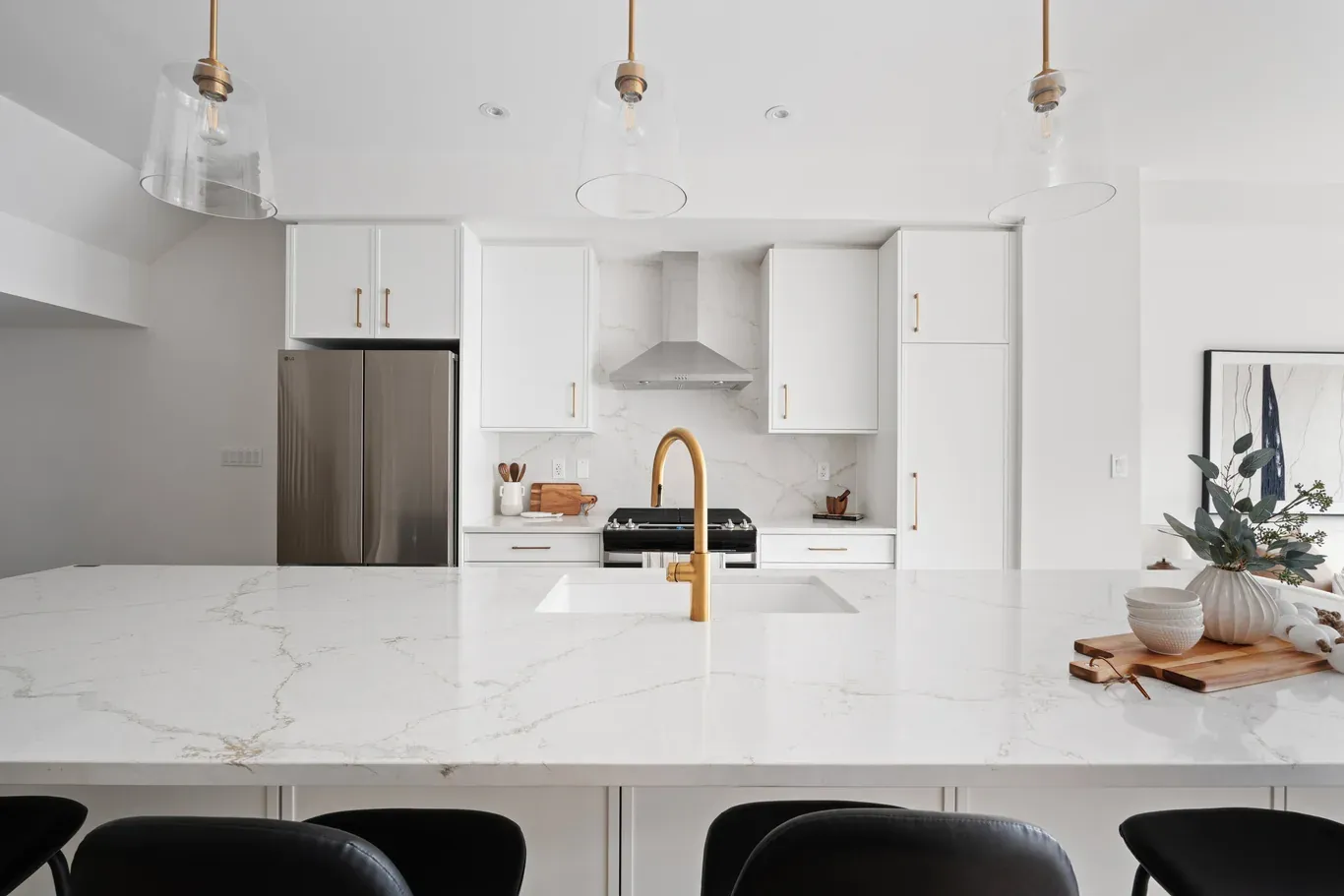
Small homes demand a smart visual strategy. Square footage may stay fixed, yet perception can shift dramatically. An open layout does not always require knocking down walls. It relies on visual continuity, flow, and intentional design choices that make rooms feel connected and expansive.
Professionals often rely on techniques similar to those used by Toronto staging services to reshape how a space reads without major renovation. Subtle adjustments in layout, lighting, and proportion can create the illusion of openness while maintaining function and comfort.
Visual Continuity Creates Expansion
The eye prefers uninterrupted lines. When walls, furniture, and finishes break that continuity, the space feels segmented.
Open layout illusions depend on extending sightlines. When the eye moves freely across a room and into adjacent areas, the brain interprets the space as larger than it actually is.
Flooring plays a critical role here. Using the same material across multiple areas removes visual barriers. Transitions between rooms feel seamless, which enhances the sense of openness.
Use Color to Unify Spaces
Color connects rooms without physical changes. A consistent palette across walls, ceilings, and trim creates harmony.
Light, neutral tones reflect more light and reduce visual weight. They allow boundaries to soften, which makes walls feel farther apart.
Avoid abrupt color changes between rooms. Strong contrasts can break the illusion and make spaces feel confined.
Strategic Furniture Placement Defines Flow
Furniture should guide movement, not block it. Poor placement interrupts flow and creates visual congestion.
Arrange pieces to:
- Maintain clear pathways
- Align with natural sightlines
- Define zones without closing them off
Floating furniture away from walls can actually increase the sense of space when done correctly. It creates breathing room and improves circulation.
Scale Matters More Than Quantity
Large, bulky furniture overwhelms small spaces. At the same time, too many small pieces create clutter.
Balance becomes essential. Choose fewer items with an appropriate scale. Each piece should serve a purpose without dominating the room.
Low-profile furniture helps maintain open sightlines. It allows the eye to travel across the space without interruption.
Glass and Transparent Materials Expand Space
Transparency reduces visual weight. Glass tables, acrylic chairs, and open shelving allow light to pass through.
These elements create the illusion of more space because they do not visually block the room. The eye continues beyond them, which enhances depth.
This approach works especially well in tight areas where solid furniture would feel heavy.
Lighting Layers Add Depth
Lighting shapes perception. A single overhead fixture flattens a room, while layered lighting adds dimension.
Use a combination of:
- Ambient lighting for overall brightness
- Task lighting for function
- Accent lighting to highlight features
Well-placed lighting draws attention across the room and into adjacent areas. It creates depth and prevents dark corners that can make spaces feel smaller.
Mirrors Multiply Space
Mirrors act as visual amplifiers. They reflect light and extend sightlines, which makes rooms appear larger.
Position mirrors to:
- Reflect windows and natural light
- Extend views into other areas
- Highlight focal points
Large mirrors work best when placed strategically. They should enhance the space without overwhelming it.
Open Shelving Reduces Visual Bulk
Closed cabinets create solid blocks that can feel heavy in small spaces. Open shelving offers a lighter alternative.
It allows the eye to move through the space rather than stopping at a solid surface. This continuity supports the illusion of openness.
Keep shelves organized and minimal. Overloading them can reverse the effect.
Consistent Flooring Eliminates Boundaries
Different flooring materials between rooms create visual breaks. These breaks define boundaries that make spaces feel smaller.
Using one continuous flooring material removes those boundaries. It connects rooms and creates a unified look.
This technique works particularly well in living, dining, and kitchen areas.
Vertical Lines Add Height
Height plays a major role in perceived space. Vertical elements draw the eye upward and make ceilings feel higher.
Incorporate:
- Floor-to-ceiling curtains
- Tall shelving units
- Vertical paneling or patterns
These features emphasize height, which balances limited floor space.
Keep Window Treatments Light
Heavy curtains block light and create visual weight. Light, airy fabrics allow natural light to flow freely.
Mount curtains higher than the window frame to create the illusion of taller ceilings. Extend them wider to make windows appear larger.
Natural light enhances openness more effectively than any artificial solution.
Create Zones Without Walls
Open layouts still need definition. Without it, spaces can feel chaotic.
Use subtle methods to define zones:
- Area rugs to separate living and dining spaces
- Lighting variations to distinguish functions
- Furniture placement to create boundaries
These techniques maintain openness while providing structure.
Reduce Visual Noise
Too many patterns, colors, or textures create a distraction. This distraction makes spaces feel smaller.
Limit visual noise by:
- Choosing a cohesive color palette
- Using simple patterns
- Keeping décor minimal
A calm environment allows the eye to move freely, which enhances the sense of space.
Use Built-In Solutions
Built-in furniture saves space and reduces clutter. It integrates seamlessly into the design, which supports visual continuity.
Examples include:
- Wall-mounted desks
- Built-in storage units
- Integrated seating
These solutions maximize function without adding bulk.
Emphasize Horizontal Lines
While vertical lines add height, horizontal lines extend width. Both play important roles in creating balance.
Low, wide furniture and long shelves stretch the visual field. They make rooms feel broader and more open.
Combining vertical and horizontal elements creates a balanced illusion of space.
Limit Doorways and Barriers
Traditional doorways can break the flow. Removing or widening them creates a more open connection between rooms.
Even simple changes, such as using sliding doors or leaving openings unobstructed, can improve continuity.
The goal is to allow movement and sightlines to remain uninterrupted.
Keep Decor Intentional
Every decorative element should serve a purpose. Random or excessive décor creates clutter and disrupts flow.
Focus on a few impactful pieces rather than many small items. This approach maintains clarity and enhances visual appeal.
Intentional design supports the illusion of openness.
Use Rugs to Anchor Without Closing Off
Rugs help define spaces, but they should not feel like barriers.
Choose rugs that:
- Fit the scale of the room
- Align with furniture placement
- Complement the overall color scheme
Properly sized rugs anchor areas without breaking the visual flow.
Every space benefits from a focal point. It gives the eye a place to rest and creates a sense of order.
In small homes, focal points should enhance openness rather than compete with it. A well-placed piece of art, a window view, or a feature wall can serve this purpose.
Avoid multiple competing focal points, which can create confusion.
Movement should feel effortless. Clear pathways allow buyers and residents to navigate the space comfortably.
Avoid placing furniture in ways that block natural routes. Open pathways reinforce the sense of flow and connection.
Balance Function and Aesthetics
Open layout illusions must support daily living. A space that looks open but feels impractical will not succeed.
Balance becomes essential. Every design choice should enhance both function and perception.
Conclusion
Open layout illusions transform small homes without major construction. They rely on visual continuity, thoughtful design, and intentional choices that guide how people experience a space.
When done well, these techniques create environments that feel larger, brighter, and more inviting. They allow small homes to compete with larger properties by maximizing every visual advantage available.
Perception shapes reality in design. A well-executed layout can turn limited square footage into a space that feels expansive and full of possibility.