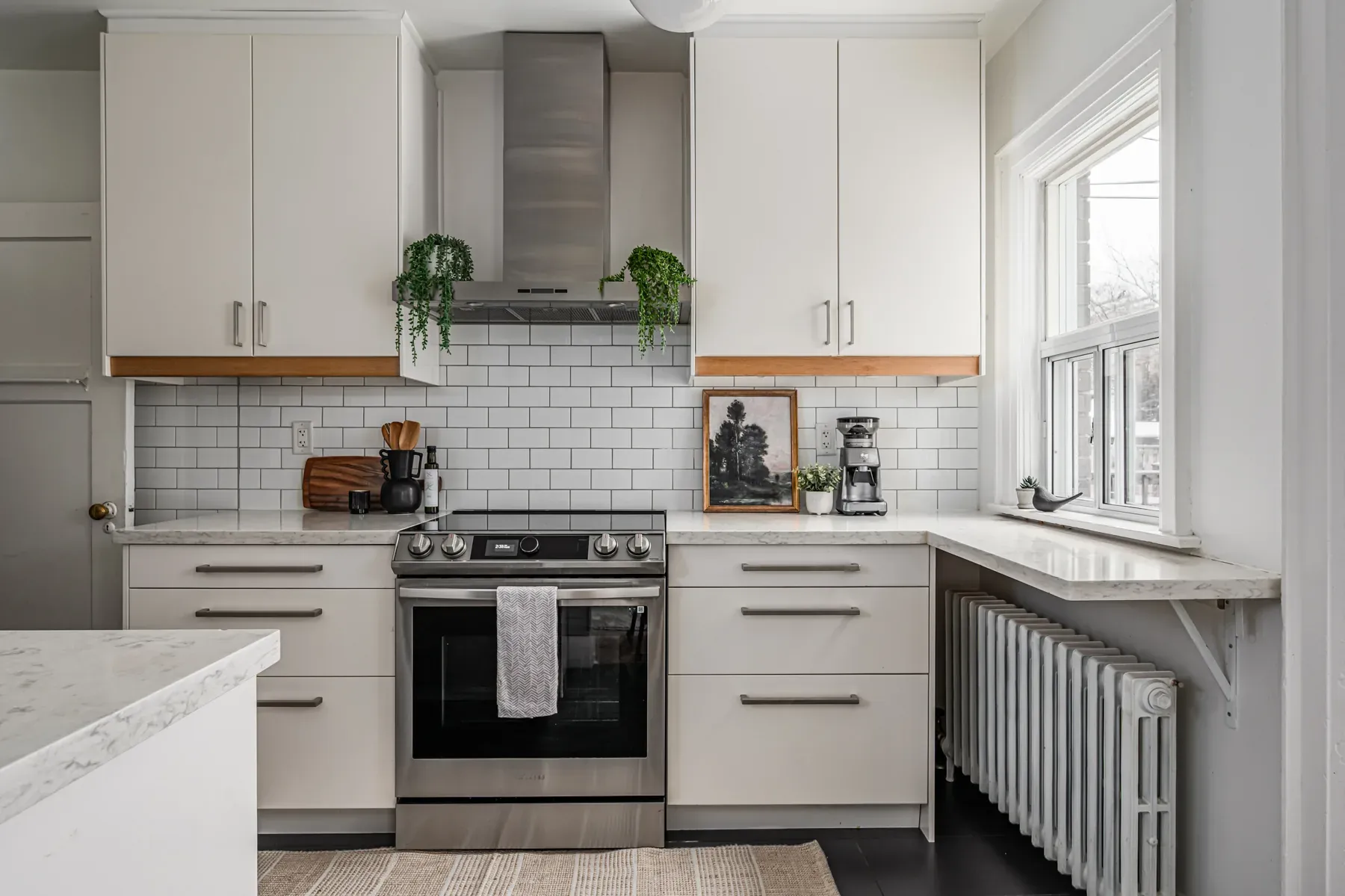
Open concept living spaces have become highly sought after, providing a sense of airiness and connectivity between rooms. When preparing a home for sale, employing a home staging service, Beaches can help highlight the fluidity and functionality of these spaces. Unlike traditional segmented layouts, open concept designs require careful planning to maintain flow, showcase room purpose, and appeal to potential buyers.
Emphasizing Flow and Function
One of the main challenges with open concept spaces is preventing them from feeling disjointed or cluttered. Staging strategies focus on guiding the eye naturally through each area while maintaining distinct zones:
- Define zones subtly: Use rugs, furniture placement, or lighting to create visual separation between the living, dining, and kitchen areas.
- Maintain walkways: Avoid blocking natural pathways; ensure movement from one area to another feels intuitive.
- Highlight focal points: Arrange seating around a fireplace, view, or artwork to create anchors in large open spaces.
Furniture Selection and Arrangement
Furniture choice is crucial for open layouts. Oversized or mismatched pieces can make spaces feel chaotic, while well-planned arrangements enhance openness and balance:
- Scale appropriately: Choose furniture that complements the size of each zone without overwhelming the space.
- Use multipurpose pieces: Ottomans with storage, benches, or modular sofas can define areas without clutter.
- Anchor spaces with rugs: Area rugs can demarcate living and dining zones, adding texture and warmth.
- Floating arrangements: Avoid pushing all furniture against walls; floating furniture encourages flow and conversation.
Example
A living area in an open plan can be staged by positioning a sofa to face the kitchen, while a coffee table and chairs create a secondary seating area. A large rug unifies the space, and a console table behind the sofa subtly separates zones without closing them off.
Color and Decor Considerations
Open spaces benefit from cohesive color schemes that unify multiple zones while allowing subtle differentiation:
- Neutral base palette: Whites, light grays, and soft beiges create continuity and highlight natural light.
- Accent elements: Introduce pops of color through pillows, artwork, or decor to create personality in each zone.
- Consistent materials: Using similar finishes for wood, metal, or stone elements enhances harmony across spaces.
Lighting Strategies
Lighting is both functional and aesthetic, playing a key role in staging open concept homes:
- Layered lighting: Combine overhead lights, floor lamps, and table lamps to illuminate zones individually.
- Highlight focal points: Pendant lights over dining areas or kitchen islands create visual anchors.
- Natural light maximization: Keep window treatments minimal to showcase openness and airiness.
Decluttering and Depersonalization
Open layouts can feel crowded if clutter is present, making staging essential:
- Remove personal items: Family photos, collectibles, and excess furniture can distract buyers.
- Minimize kitchen items: Clear counters and display a few stylish essentials to highlight function.
- Organize storage areas: Visible cabinets or open shelving should appear tidy and accessible.
Adding Depth and Dimension
Even expansive open spaces can feel flat without strategic staging:
- Layer furniture heights: Mix sofas, chairs, and side tables to add visual interest.
- Incorporate mirrors: Reflect light and expand visual perception.
- Vertical decor: Tall plants, artwork, or shelving draw the eye upward and emphasize height.
Creating Cozy Corners
Large open spaces risk feeling impersonal. Cozy corners encourage emotional connection for buyers:
- Reading nook: A comfortable chair and floor lamp in a corner can make the space feel lived-in.
- Conversation zones: Arrange seating to facilitate interaction rather than isolation.
- Textural elements: Throw blankets, cushions, and rugs add warmth without clutter.
Seasonal Staging Tips
Adjusting decor to the season can enhance appeal:
- Spring/Summer: Fresh flowers, light fabrics, and airy textiles amplify brightness.
- Fall/Winter: Warm tones, layered rugs, and cozy throws evoke comfort and homeyness.
Conclusion
Small details can make a big difference in open concept staging:
- Ensure pathways are clear and unobstructed.
- Group decor in odd numbers for balance.
- Keep surfaces polished and reflective to enhance light.
- Maintain a consistent scent with subtle, neutral fragrances.