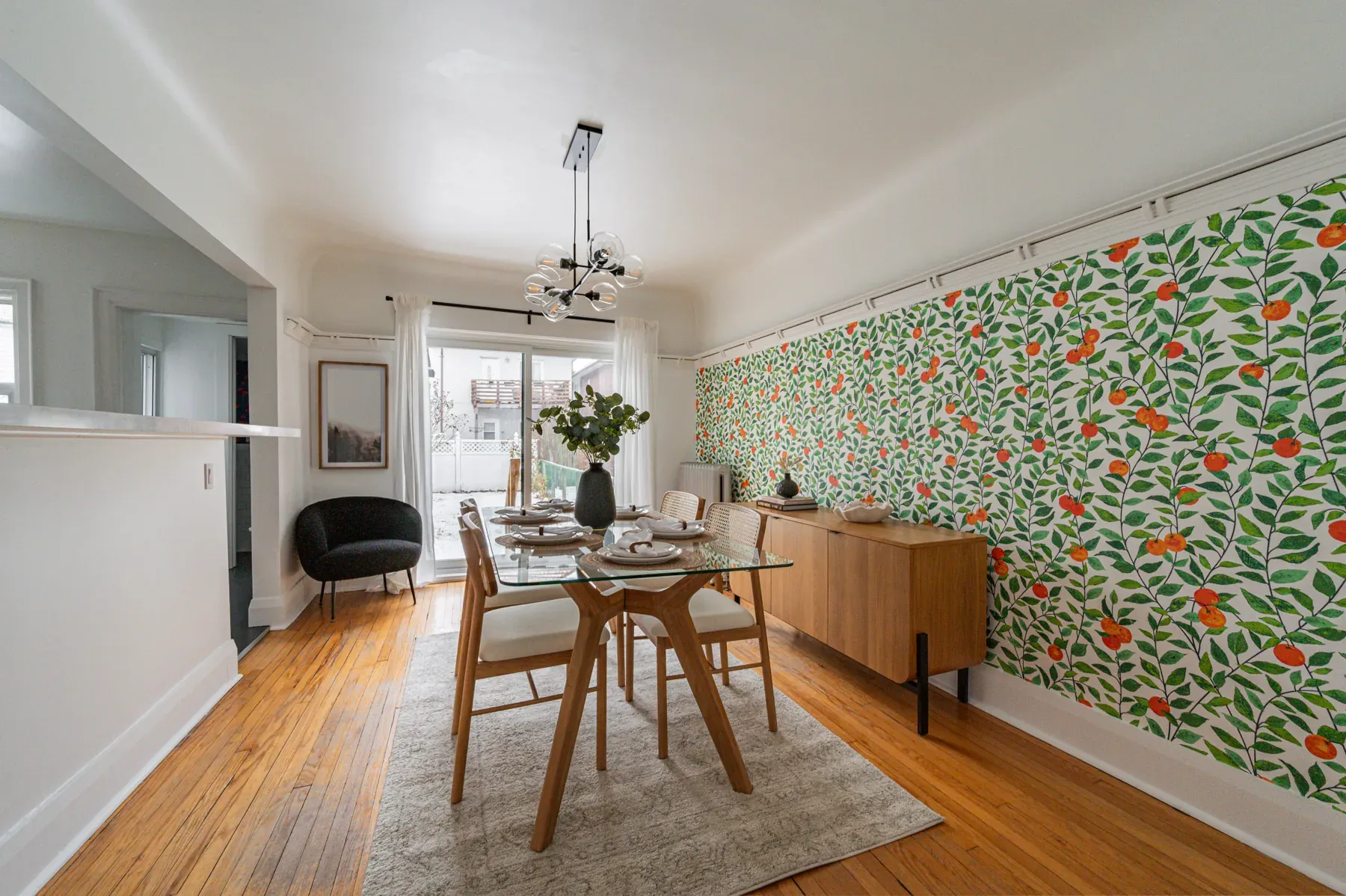
When preparing a home for sale, employing a home staging service in Junction can transform spaces, helping them appeal to a wide range of buyers. Neutral decor is a key strategy in achieving this, offering a clean, cohesive backdrop that highlights a property’s features without overwhelming prospective buyers. It allows rooms to feel open, airy, and versatile, making it easier for anyone to envision living there.
The Power of Neutral Colors
Neutral colors are the foundation of effective staging. They create a canvas that emphasizes space, light, and architectural features while allowing furniture, decor, and accessories to stand out. Popular neutral shades include:
-
Soft whites and creams
-
Light grays
-
Taupe and beige
-
Subtle greiges (gray-beige blends)
Using these tones across walls, ceilings, and floors provides consistency, visually enlarges rooms, and sets a calming, inviting tone.
Psychological Benefits
Neutral colors evoke comfort and versatility. They make spaces feel fresh and uncluttered, reduce visual distractions, and create a sense of balance. Buyers often respond positively to rooms that feel like a blank slate, as it allows them to imagine their own furnishings and lifestyle fitting seamlessly.
Furniture and Layout Strategies
Furniture placement is as important as color when staging. Neutral decor works best when the furniture:
-
Compliments the room’s proportions: Avoid oversized or bulky pieces that dominate space.
-
Highlights flow: Arrange seating to encourage natural movement between areas.
-
Maintains balance: Pair large pieces with smaller accents to prevent visual monotony.
-
Incorporates multi-functional elements: Benches, ottomans with storage, and modular sofas can define areas while enhancing utility.
Example
In a living room, a light gray sofa paired with a cream rug and taupe accent chairs creates a welcoming seating area. A low-profile coffee table and a strategically placed console table subtly delineate the dining space, maintaining openness without crowding.
Layering Textures for Depth
Neutral palettes can risk feeling flat if not layered with texture. Effective strategies include:
-
Rugs: Different pile heights and patterns add warmth and dimension.
-
Throw pillows and blankets: Varying textures like linen, velvet, or knitted fabrics create visual interest.
-
Wall art and frames: Neutral artwork with subtle contrasts prevents walls from appearing bare.
-
Window treatments: Light-filtering curtains in soft shades enhance natural light while adding elegance.
Layering textures keeps spaces from appearing sterile, balancing sophistication with comfort.
Lighting Techniques
Proper lighting emphasizes neutral decor and creates an inviting ambiance:
-
Layered lighting: Combine overhead fixtures, floor lamps, and table lamps to brighten zones individually.
-
Natural light maximization: Use sheer curtains or no coverings to allow sunlight to illuminate spaces.
-
Accent lighting: Highlight architectural features, artwork, or focal points to add depth and focus.
A room that feels naturally bright and airy is often more appealing to buyers.
Accessory Selection
Accessories in neutral staging should complement without overwhelming. Key approaches include:
-
Minimalist arrangements: Limit tabletop decor to 3–5 items per surface to maintain balance.
-
Natural elements: Plants, flowers, or decorative branches introduce subtle color and life.
-
Mirrors: Reflect light, expand visual perception, and add elegance.
-
Functional accents: Neutral baskets, trays, or bowls offer utility while remaining stylish.
Example
A sideboard can display a small grouping of a vase, a framed print, and a sculptural object, maintaining interest while adhering to a neutral theme.
Flooring and Area Rugs
Floors often cover large surface areas, so neutral staging pays close attention to them:
-
Hardwood floors: Light to medium tones enhance openness.
-
Neutral rugs: Define zones in open layouts while introducing subtle patterns or textures.
-
Layering rugs: Smaller accent rugs over larger neutral rugs add warmth and dimension.
Decluttering and Simplification
Neutral decor thrives in uncluttered spaces, which make rooms feel larger and more inviting. Staging should include:
-
Removing personal items, photos, and excess furniture
-
Clearing countertops and shelves to highlight room functionality
-
Organizing storage areas to appear spacious and neat
Decluttered spaces allow buyers to focus on the home itself rather than the possessions within it.
Coordinating Across Rooms
Consistency enhances the sense of flow in neutral decor:
-
Repeat color tones subtly in adjoining rooms to unify spaces
-
Use similar materials and finishes for furniture and fixtures
-
Coordinate textiles like curtains, cushions, and rugs for visual harmony
Example
In an open-plan living-dining space, a cream-colored sofa, beige dining chairs, and a taupe rug create cohesion. Accents such as a soft gray throw and muted artwork repeat the palette without feeling monotonous.
Adding Warmth Without Color Overload
Neutral spaces can feel cold if not accessorized thoughtfully. Techniques to introduce warmth include:
-
Wood accents: Furniture, frames, or shelving in light to medium wood tones
-
Soft fabrics: Throw blankets, cushions, and upholstered furniture
-
Subtle metallics: Brushed brass or muted gold elements for a touch of sophistication
These touches make spaces inviting while remaining universally appealing.
Highlighting Architectural Features
Neutral decor can draw attention to a home’s strengths:
-
Crown molding, wainscoting, or built-ins stand out against soft wall colors
-
Beams or fireplaces become focal points when walls and furnishings are subdued
-
Window frames and door trims can be painted or accented to enhance visual impact
Creating Emotional Connection
While neutral, staged spaces should still feel welcoming:
-
Arrange furniture for conversation and interaction
-
Incorporate soft lighting and cozy textiles
-
Place a few natural elements, like plants or flowers, to enliven rooms
A space that feels comfortable, inviting, and well-proportioned increases the likelihood of buyers forming an emotional attachment.
Common Neutral Staging Mistakes
-
Overly sterile spaces: Avoid making rooms too plain; texture and accessories are essential.
-
Ignoring scale: Furniture should match room size to prevent feeling either cramped or sparse.
-
Neglecting lighting: Even neutral rooms can feel dull without proper illumination.
-
Inconsistent palette: Random or clashing neutrals can create a disjointed effect.
Finishing Touches
The final layer of neutral staging should focus on subtle details:
-
Fresh flowers or a small plant on a dining table
-
Minimalist wall art that complements the palette
-
Coordinated pillows and throws for added comfort
-
Open windows or lightly draped curtains to enhance light and airflow