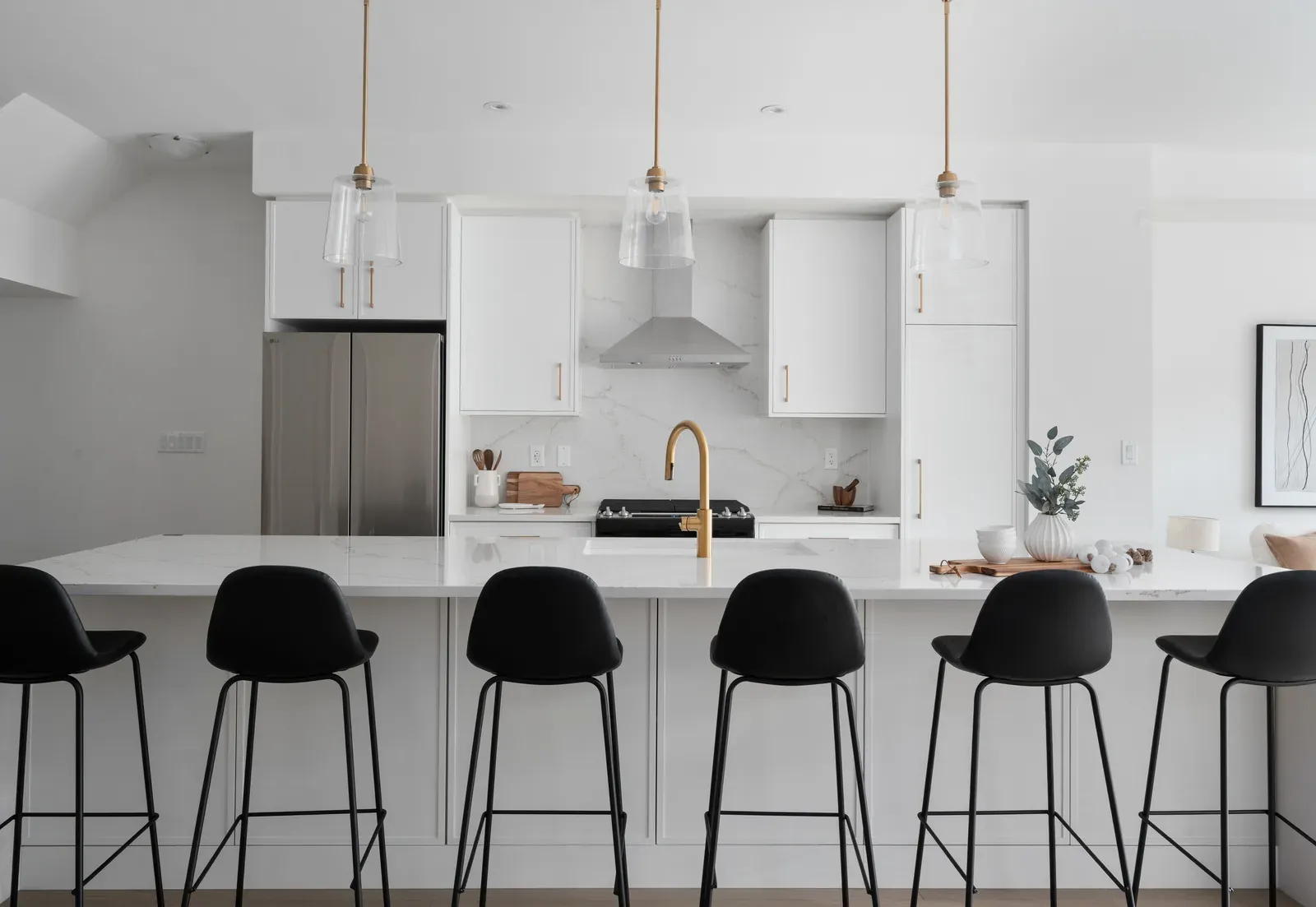
Luxury staging relies on intentional design choices that shape perception instantly. Among these choices, minimalism and opulence stand as two contrasting approaches. Each style communicates a unique message, influences emotional response, and frames how buyers interpret space.
Minimalism emphasizes restraint, clarity, and balance. It removes excess and focuses on essential elements. In contrast, opulence celebrates richness, detail, and visual layering. It introduces texture, color, and decorative accents to create a sense of grandeur. Consequently, both approaches serve different purposes within luxury staging, depending on the property and target audience.
The Core Principles of Minimalism
Minimalism relies on simplicity and precision. It reduces visual noise and creates an environment that feels open and calm. Furniture choices remain intentional, with each piece serving a clear function.
Moreover, minimalism highlights architectural features. Clean lines and uncluttered surfaces allow structural elements to stand out. As a result, buyers focus on the property itself rather than decorative distractions.
Key characteristics of minimalism include:
- Limited color palette with neutral tones
- Streamlined furniture with clean lines
- Open spaces with minimal décor
- Emphasis on natural light
- Functional design elements
Because of these qualities, minimalism creates a refined and contemporary atmosphere.
The Essence of Opulent Design
Opulence introduces richness and depth through layered design elements. It embraces bold textures, intricate details, and luxurious materials. This approach aims to create a visually striking and memorable environment.
Additionally, opulence often uses contrasting elements to add drama. Rich fabrics, metallic finishes, and statement pieces contribute to a sense of sophistication. In contrast to minimalism, opulence fills space with curated detail rather than removing it.
Common features of opulent staging include:
- Rich color palettes, such as deep blues or gold tones
- Ornate furniture with detailed craftsmanship
- Layered textiles and decorative accents
- Statement lighting fixtures
- Artistic focal points
Consequently, opulence delivers a strong visual impact that captures attention immediately.
Emotional Impact on Buyer Perception
Design style directly influences emotional response. Minimalism creates a sense of calm and clarity. Buyers often feel relaxed in uncluttered environments. This emotional ease allows them to focus on the property’s layout and potential.
In contrast, opulence evokes excitement and admiration. Rich textures and bold details create a sense of luxury and exclusivity. Buyers may feel impressed by the visual richness and perceive the property as more prestigious.
Therefore, emotional impact varies significantly between these approaches. Minimalism soothes, while opulence captivates. Each response shapes how buyers engage with the space.
Space Perception and Visual Flow
Minimalism enhances spatial perception by reducing visual barriers. Open layouts appear larger when furniture remains limited and well-positioned. Moreover, clear sightlines improve flow and movement.
Opulence, however, introduces layers that can define space differently. While it may reduce perceived openness, it adds depth and character. Strategic placement ensures that richness does not overwhelm the layout.
Consequently, minimalism prioritizes openness, whereas opulence emphasizes detail. The choice depends on whether the goal involves expanding perception or enriching visual experience.
Material Selection and Texture Balance
Materials play a crucial role in both styles. Minimalism favors natural and understated materials such as wood, linen, and stone. These elements create a subtle yet sophisticated look.
Opulence, on the other hand, incorporates luxurious materials like velvet, marble, and polished metals. These textures add depth and visual interest. Moreover, layering multiple materials enhances complexity.
Therefore, material selection defines the tone of each approach. Minimalism remains restrained, while opulence embraces contrast and richness.
Lighting Strategies in Each Style
Lighting shapes the ambiance and highlights design elements. Minimalism relies on natural light and simple fixtures. Clean designs ensure that lighting supports rather than dominates the space.
Opulence uses lighting as a focal point. Chandeliers, sculptural lamps, and layered lighting create drama and highlight textures. Consequently, lighting becomes an integral part of the design narrative.
In contrast, minimalism uses light to enhance clarity, while opulence uses it to create atmosphere.
Furniture Choices and Arrangement
Furniture selection differs significantly between the two styles. Minimalism favors fewer pieces with sleek designs. Each item serves a purpose and contributes to overall balance.
Opulence introduces more elaborate furniture. Detailed craftsmanship, curved forms, and rich upholstery define the space. However, careful arrangement ensures that the room remains functional.
Key differences in furniture approach:
- Minimalism uses fewer, functional pieces
- Opulence includes decorative and statement furniture
- Minimalism emphasizes spacing
- Opulence focuses on layering
As a result, furniture choices shape both functionality and visual impact.
Color Palettes and Visual Identity
Color influences perception strongly. Minimalism relies on neutral tones such as white, gray, and beige. These colors create a calm and cohesive environment.
Opulence incorporates deeper and more vibrant shades. Jewel tones, metallic accents, and contrasting hues create a bold identity. Moreover, color layering enhances richness.
Therefore, color selection defines the visual language of each style. Minimalism remains subtle, while opulence expresses intensity.
Market Positioning and Buyer Expectations
Different buyers respond to different styles. Minimalism appeals to those who value simplicity, modernity, and flexibility. It allows buyers to imagine their own preferences within the space.
Opulence attracts buyers seeking luxury and distinction. It showcases the property’s potential for grandeur and sophistication. Consequently, the choice of style should align with target market expectations.
For instance, Toronto home staging often considers local buyer preferences when selecting between minimalism and opulence. This alignment ensures that staging resonates effectively with potential buyers.
Balancing Style With Property Architecture
Architecture influences which style works best. Modern properties often align with minimalism due to clean lines and open layouts. In contrast, traditional or ornate properties may benefit from opulent staging.
Moreover, consistency between architecture and staging enhances cohesion. Mismatched styles can create confusion. Therefore, aligning the design approach with structural elements ensures harmony.
Practical Advantages of Minimalism
Minimalism offers several practical benefits. It requires fewer furnishings and simplifies maintenance. Moreover, it reduces visual distractions, allowing buyers to focus on the property itself.
Advantages include:
- Enhanced sense of space
- Easier adaptation for different buyers
- Lower staging complexity
- Clear emphasis on architecture
Consequently, minimalism provides efficiency and broad appeal
Practical Advantages of Opulence
Opulence delivers impact through visual richness. It creates memorable impressions and highlights luxury features. Moreover, it can elevate perceived value by showcasing high-end design elements.
Key advantages include:
- Strong visual appeal
- Emphasis on a luxury lifestyle
- Enhanced depth and character
- Memorable buyer experience
Therefore, opulence works effectively when the goal involves creating a lasting impression.
Potential Challenges in Each Approach
Each style presents challenges. Minimalism may appear too sparse if not executed carefully. Lack of warmth or personality can reduce emotional connection.
Opulence, however, risks overwhelming the space. Excessive detail or clutter can distract buyers. Therefore, balance remains essential in both approaches.
Integrating Both Styles for Optimal Results
In many cases, combining elements of minimalism and opulence creates a balanced outcome. A neutral foundation with selective luxurious accents can achieve both clarity and richness.
For example, a minimalist layout with textured fabrics or statement lighting introduces subtle opulence. Consequently, the space remains open while offering visual interest.
This hybrid approach allows flexibility and broader appeal, ensuring that the property resonates with diverse buyers.
Long-Term Influence on Buyer Decisions
Design style influences how buyers remember a property. Minimalism leaves an impression of clarity and calm. Opulence creates a sense of grandeur and distinction.
Moreover, these impressions affect decision-making. Buyers often gravitate toward spaces that align with their lifestyle preferences. Consequently, staging style plays a crucial role in shaping outcomes.
Conclusion
Minimalism and opulence represent two powerful approaches in luxury staging. Each style offers unique benefits and influences perception differently. Minimalism emphasizes clarity and openness, while opulence delivers richness and impact.
However, the choice depends on property characteristics and buyer expectations. Aligning design with these factors ensures effective staging. In many cases, blending elements from both styles creates the most balanced and appealing result.
Ultimately, thoughtful design decisions shape how buyers perceive and engage with a property. Whether through simplicity or richness, staging defines the experience and influences success.
FAQs
1. What is the main difference between minimalism and opulence in staging?
Minimalism focuses on simplicity, clean lines, and open space, while opulence emphasizes richness, detail, and layered design. Each approach creates a different emotional response. Consequently, minimalism feels calm and spacious, whereas opulence delivers a sense of luxury and visual impact.
2. Which style appeals to more buyers?
Minimalism often appeals to a broader audience because of its neutral and adaptable design. However, opulence attracts buyers seeking distinctive luxury. Therefore, the choice depends on the target market and property type, ensuring alignment with buyer expectations and preferences.
3. Can minimalism make a property look less luxurious?
Minimalism can appear luxurious when executed with high-quality materials and thoughtful design. Clean spaces highlight architectural features effectively. However, a lack of detail may reduce perceived richness. Therefore, balance remains essential to maintain both simplicity and elegance.
4. Does opulent staging always require more furniture?
Opulent staging often includes more elements, but quantity alone does not define it. Strategic layering and quality materials create richness. However, excessive furniture can overwhelm the space. Consequently, careful selection ensures that opulence enhances rather than dominates.
5. How does lighting differ between the two styles?
Minimalism uses simple lighting to enhance clarity and openness. In contrast, opulence incorporates statement fixtures and layered lighting to create drama. Each approach uses light differently to support its design philosophy and influence perception.
6. Is it possible to combine minimalism and opulence?
Yes, combining both styles can create a balanced environment. A minimalist base with selective luxurious accents offers clarity and richness. Consequently, this approach appeals to a wider audience while maintaining visual interest and sophistication.
7. Which style works better for modern properties?
Modern properties often align with minimalism due to their clean lines and open layouts. However, adding subtle opulent elements can enhance appeal. Therefore, a balanced approach ensures that the design complements the architecture effectively.
8. How does each style affect perceived space?
Minimalism enhances perceived space by reducing visual clutter. Opulence adds depth through layering but may reduce openness. Consequently, minimalism suits smaller spaces, while opulence works well in larger areas with sufficient room for detail.
9. What role do materials play in each style?
Materials define the tone of both styles. Minimalism uses natural and understated materials, while opulence incorporates rich and textured elements. Consequently, material selection significantly influences how buyers perceive quality and luxury.
10. How should sellers choose between minimalism and opulence?
Sellers should evaluate property style, target buyers, and market expectations. Minimalism suits broad appeal and clarity, while opulence highlights luxury and distinction. Consequently, selecting the right approach ensures that staging aligns with buyer preferences and enhances overall perception.