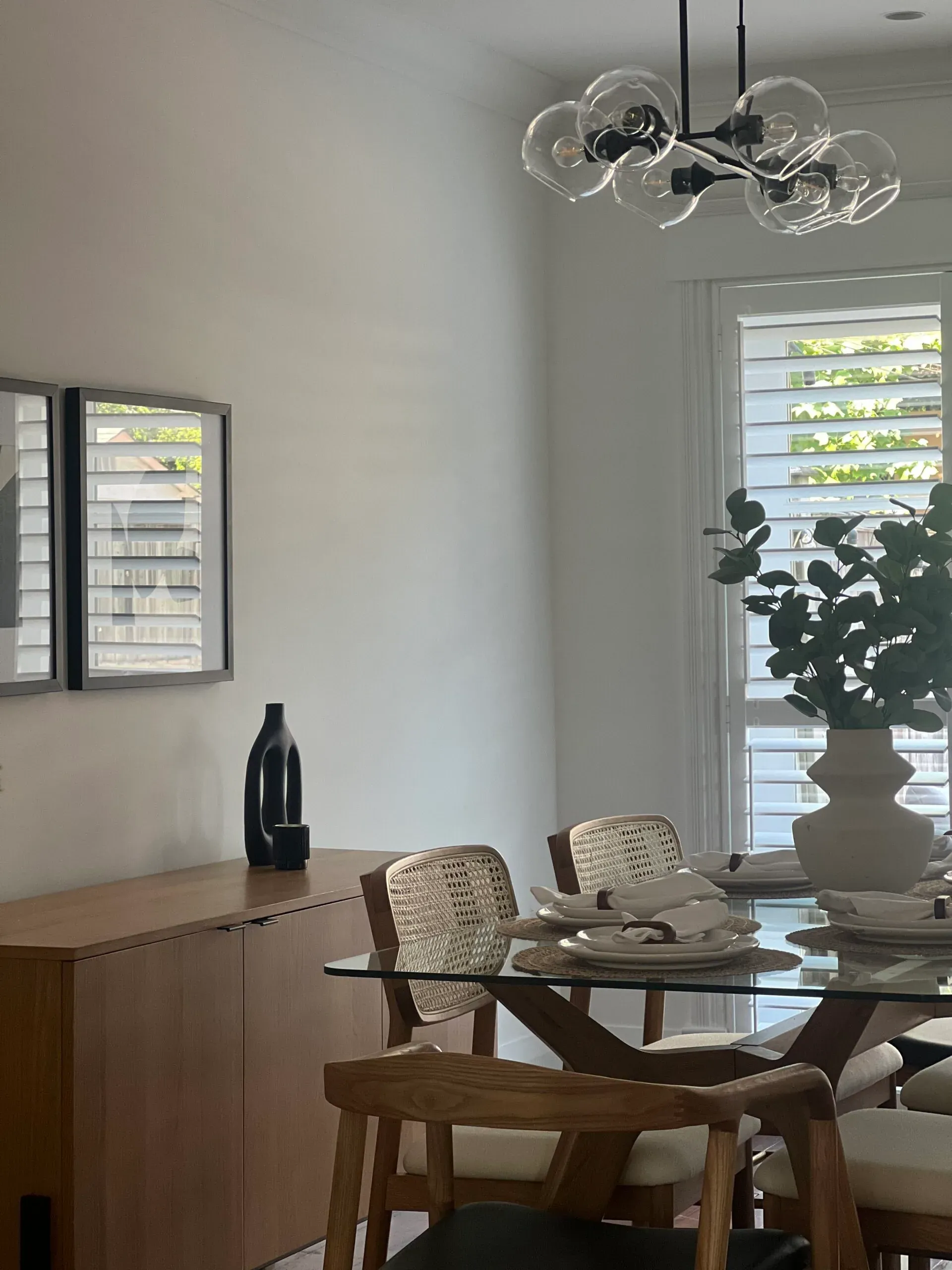
Buyers rarely voice every concern during a home showing. Many objections form quietly as they walk through rooms, absorb details, and weigh emotional reactions. These concerns influence whether buyers continue imagining ownership or begin searching for reasons to walk away. Staging plays a major role in removing those doubts before buyers even express them. By shaping how a home looks, feels, and functions, staging removes friction and helps buyers focus on possibility rather than hesitation.
Many homeowners preparing for sale rely on structured staging methods that a staging company in Toronto property sellers often trust to create clarity inside residential spaces. Staging works as visual communication. It answers buyer concerns through thoughtful presentation, organization, and balance. When buyers feel comfortable and confident, objections naturally lose strength.
Why Buyer Objections Form in the First Place?
Buyer objections usually stem from uncertainty rather than actual flaws. Buyers enter showings carrying financial pressure, emotional expectations, and lifestyle goals. When a home feels unclear or overwhelming, buyers begin searching for risks.
Common concerns include maintenance worries, layout confusion, perceived lack of space, and lifestyle mismatch. Even small presentation issues can trigger larger emotional doubts. Staging addresses these concerns by offering clarity and reassurance.
Visual Clarity Eliminates Immediate Doubt
Clutter, mismatched furniture, or crowded décor makes buyers work harder to interpret rooms. When buyers struggle to understand how a space functions, they often assume limitations.
Staging removes that confusion. Clean layouts define purpose and scale. Buyers immediately recognize where they would relax, sleep, cook, or gather. When rooms communicate clearly, objections about usability decrease.
Staging Helps Buyers Focus on Features Instead of Flaws
Unstaged homes often highlight imperfections unintentionally. Buyers notice uneven spacing, worn surfaces, or awkward arrangements before they notice strong architectural details.
Strategic staging redirects attention. Furniture placement emphasizes room dimensions. Lighting highlights attractive features. Balanced décor keeps buyers focused on strengths rather than minor concerns.
This shift reduces negative commentary and strengthens overall perception.
Emotional Comfort Reduces Defensive Thinking
Buyers naturally guard themselves against making poor decisions. If a home feels cold or chaotic, buyers remain cautious and critical.
Staging introduces emotional warmth. Comfortable layouts, soft textures, and balanced lighting help buyers relax. When buyers feel calm, they evaluate homes with curiosity instead of suspicion.
That emotional shift weakens objections significantly.
Staging Addresses Space Concerns Before Buyers Speak
Space perception plays a huge role in buyer hesitation. Overfilled rooms feel smaller. Empty rooms feel confusing.
Staging solves both problems by creating proportion. Proper furniture sizing shows how rooms accommodate daily life. Buyers visualize real functionality instead of guessing.
This clarity often removes comments about rooms feeling too tight or too vague.
How Staging Strengthens Perceived Maintenance?
Buyers often use presentation as a shortcut for judging maintenance quality. Messy or neglected spaces suggest larger hidden issues.
Staged homes communicate care through organization, cleanliness, and visual balance. Buyers assume responsible ownership when they see consistency across rooms.
Maintenance objections lose credibility when buyers trust the overall condition.
Lighting Choices Eliminate Visibility Concerns
Dark or poorly lit homes often trigger questions about safety, comfort, and upkeep. Buyers associate shadows with hidden problems.
Staging improves lighting flow by combining natural light with layered interior lighting. Bright yet warm spaces feel transparent and welcoming. Buyers gain confidence when they can clearly see every corner.
Staging Reduces Layout Confusion
Many buyers struggle to interpret unusual or open layouts. Without visual cues, they question practicality.
Staging defines traffic flow and functional zones. Furniture placement shows where living, dining, or relaxation occur naturally. Buyers stop questioning layout logic and start imagining routines.
This transformation eliminates common objections about awkward floor plans.
Neutral Styling Minimizes Taste-Based Objections
Highly personalized décor can create emotional distance. Buyers may admire style yet struggle to imagine their own belongings fitting the space.
Neutral staging removes that barrier. Buyers project their identity into the home without resistance. Emotional flexibility increases confidence and reduces hesitation tied to personal taste.
Staging Supports Stronger Buyer Imagination
Buyers purchase homes emotionally before confirming logically. If they cannot picture themselves living there, objections grow stronger.
Staging helps buyers visualize:
- Morning routines in organized kitchens
- Relaxation in balanced living rooms
- Rest in calm bedrooms
- Social connection in dining spaces
These mental images replace uncertainty with excitement.
Clutter Removal Prevents Storage Concerns
Overflowing closets and crowded storage areas suggest limited capacity. Buyers often interpret clutter as proof that storage fails to meet daily needs.
Staging organizes storage spaces and removes excess items. Buyers perceive greater capacity and functionality. Storage objections often disappear when spaces look structured and intentional.
Staging Softens Price Resistance
Price objections rarely depend on numbers alone. Buyers weigh emotional value against financial commitment.
Well-staged homes appear ready for immediate occupancy. Buyers perceive fewer upcoming costs related to repairs, repainting, or reorganization. That perception supports pricing confidence and reduces negotiation pressure.
Scent and Atmosphere Influence Buyer Trust
Smell affects comfort strongly. Lingering odors or overpowering fragrances raise suspicion and discomfort.
Staging focuses on freshness and subtle atmosphere. Buyers associate pleasant air quality with cleanliness and health. Trust increases when sensory experiences feel natural.
Why Staging Encourages Longer Showings?
Buyers spend more time inside staged homes. Time strengthens emotional connection and reduces quick judgment.
When buyers linger, they absorb details, imagine lifestyle benefits, and engage with property features more deeply. Longer exposure naturally weakens initial objections.
Staging Helps Buyers Overlook Minor Cosmetic Issues
No home appears flawless. Buyers often magnify small cosmetic imperfections when the presentation feels chaotic.
Balanced staging shifts attention toward overall livability. Buyers accept minor imperfections more easily when the home feels functional and welcoming.
Key Ways Staging Reduces Buyer Objections
- Clarifies room purpose and layout
- Strengthens perceived maintenance quality
- Builds emotional comfort
- Improves space perception
- Enhances lighting and visibility
- Encourages personal imagination
These outcomes remove resistance before buyers verbalize concerns.
Staging Strengthens Buyer-Agent Communication
When homes feel organized and inviting, buyer conversations shift from criticism to curiosity. Buyers ask lifestyle-related questions rather than pointing out flaws.
This change supports smoother negotiations and stronger buyer confidence.
Residential Buyers Value Predictability and Comfort
Residential purchases revolve around daily living. Buyers want homes that feel manageable and reliable.
Staging communicates predictability through structure and balance. Buyers trust spaces that appear easy to maintain and navigate.
Staging Creates Emotional Momentum
Momentum influences decision-making. When buyers feel positive during a showing, that emotional energy carries forward into discussions, comparisons, and final decisions.
Staging builds that momentum by maintaining comfort from entry to exit.
Transparency Through Presentation
Staged homes feel open and honest. Clear surfaces, organized rooms, and balanced décor suggest nothing hides beneath clutter.
Transparency reduces skepticism. Buyers feel more willing to move forward when they sense authenticity.
How Staging Supports Competitive Advantage?
Homes that remove objections early often stand out during property tours. Buyers compare emotional comfort as much as features or location.
Staged homes frequently remain memorable because they feel easier to accept and visualize.
The Psychological Effect of Order and Balance
Humans naturally respond positively to order. Balanced rooms create calm. Organized surfaces reduce mental stress. Buyers feel safer in structured environments.
Staging uses visual balance to create emotional stability, which reduces hesitation and builds confidence.
The Long-Term Influence on Buyer Decision Speed
Buyers who feel comfortable often make faster decisions. Reduced objections shorten evaluation time and simplify comparisons with other homes.
Confidence accelerates commitment without pressure.
Conclusion
Buyer objections rarely arise from a single flaw. They grow from uncertainty, emotional discomfort, and unclear presentation. Staging addresses these issues through thoughtful organization, neutral styling, and balanced design.
When buyers feel clarity, warmth, and confidence, objections fade naturally. Residential homes benefit greatly from staging because buyers seek comfort as much as structure. By shaping emotional response and visual understanding, staging helps buyers move from doubt to decision with greater ease.