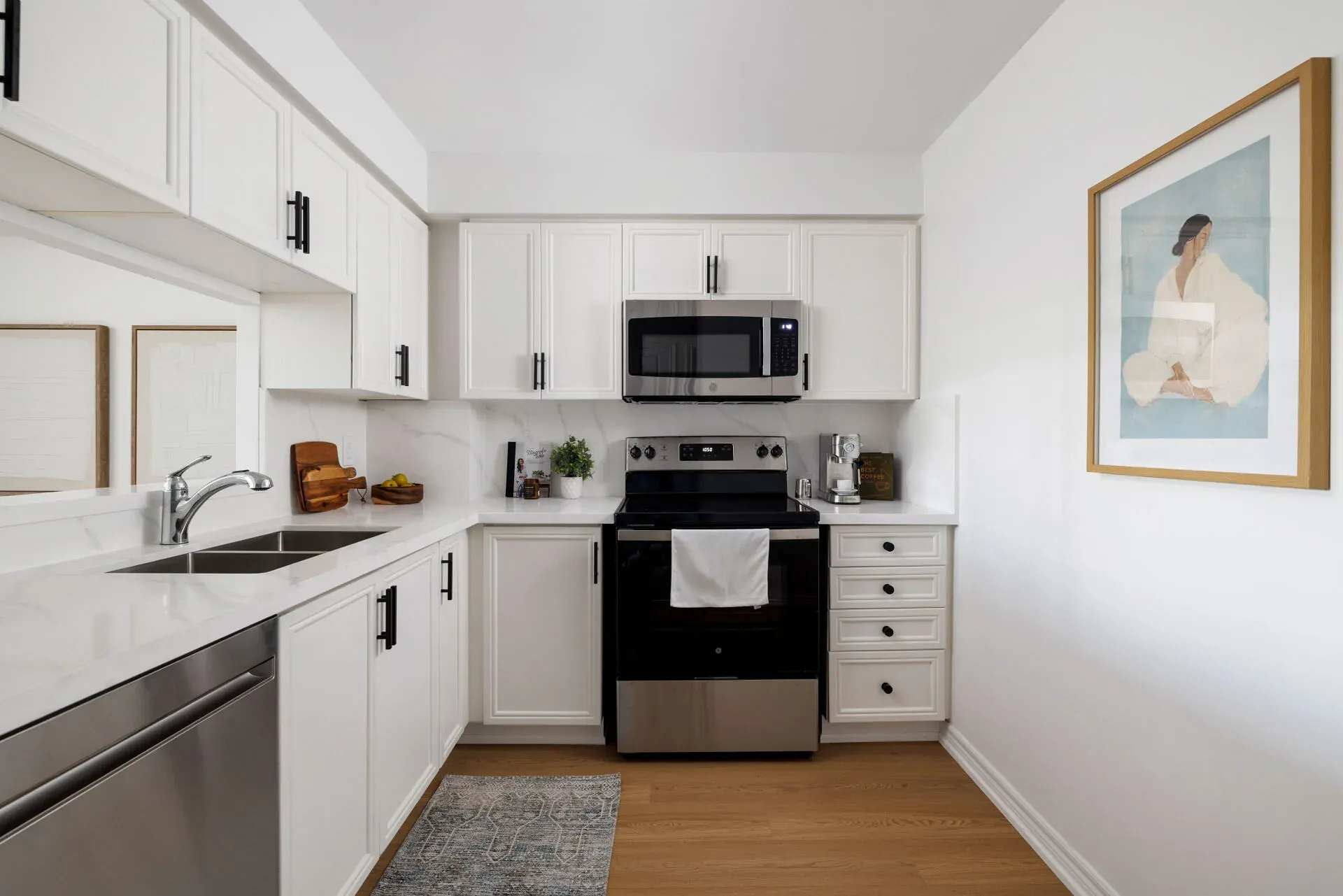
Property decisions rarely rely on logic alone. Buyers respond to feelings that emerge the moment they step inside a space. Staging shapes those feelings with intention. It transforms empty or cluttered interiors into environments that invite connection.
A staged home does more than present furniture and décor. It creates a setting where buyers sense belonging. That sense often develops quickly, sometimes within seconds. When the environment feels balanced and inviting, buyers engage emotionally without effort.
This emotional engagement influences how buyers interpret value. A home that feels right often appears more desirable, even when compared to similar properties. Staging bridges the gap between physical structure and emotional resonance, making the space feel meaningful.
How Atmosphere Shapes Perception?
Atmosphere defines how a space feels before any detailed evaluation begins. Staging carefully controls this element through design choices that influence mood and comfort. Soft textures, balanced layouts, and coordinated colors work together to establish harmony.
A calm atmosphere reduces mental resistance. Buyers feel relaxed and open to the space around them. This state encourages deeper engagement and allows them to imagine daily life within the home.
An inconsistent or cluttered environment can disrupt this process. Buyers may feel distracted or uncertain, which weakens the emotional connection. Staging removes these barriers and replaces them with clarity and cohesion.
Visual Storytelling in Interior Spaces
Every staged home tells a story without using words. Each room communicates purpose, lifestyle, and possibility. This narrative unfolds through carefully selected furniture, lighting, and décor.
A living room can suggest conversation and relaxation. A dining area can evoke shared meals and gatherings. Bedrooms can express comfort and privacy. These subtle cues guide buyers toward imagining their own routines within the space.
Effective storytelling relies on simplicity. Overly complex designs can feel artificial and disconnect buyers from the narrative. Balanced staging keeps the story believable and relatable, which strengthens emotional engagement.
Sensory Elements That Influence Feelings
Emotional connection does not rely solely on visual appeal. Staging incorporates sensory elements that shape how buyers feel within a home. These elements create depth and enhance the overall experience.
Key sensory factors include:
- Soft lighting that creates warmth
- Pleasant, subtle scents that feel clean and fresh
- Comfortable textures such as cushions and fabrics
- Quiet, uncluttered surroundings
These details may seem minor, yet they influence perception significantly. When all senses align, buyers experience a sense of comfort that encourages attachment.
The Role of Balance and Symmetry
Balance plays a crucial role in creating emotional stability. A well-balanced room feels organized and complete. Buyers respond positively to spaces that appear structured and harmonious.
Symmetry contributes to this effect. Matching elements, aligned furniture, and consistent spacing create visual order. This order reduces mental effort and allows buyers to focus on the overall environment.
An unbalanced space can feel chaotic or incomplete. Buyers may struggle to interpret its function or potential. Staging corrects these issues by introducing structure and clarity.
Creating Comfort Through Design
Comfort remains one of the strongest emotional drivers in real estate. Buyers seek spaces where they can relax and feel at ease. Staging creates this comfort through thoughtful design choices.
Soft furnishings, neutral tones, and inviting layouts contribute to a welcoming atmosphere. These elements signal that the home supports rest and daily living.
Comfort also relates to functionality. When rooms feel practical and easy to navigate, buyers experience less friction. This ease strengthens their emotional response and increases their interest.
The Influence of Neutral Styling
Neutral styling supports emotional connection by removing barriers. It creates a versatile environment that appeals to a wide range of preferences. Buyers can project their own tastes onto the space without conflict.
Soft colors such as whites, grays, and warm earth tones create a calm foundation. These tones reflect light and enhance openness, which contributes to a positive atmosphere.
Strong or highly personalized design choices can limit appeal. Neutral staging avoids this limitation and allows buyers to focus on how the home fits their lifestyle.
Decluttering as an Emotional Strategy
Clutter disrupts emotional flow. It distracts buyers and prevents them from fully engaging with the space. Staging eliminates unnecessary items to create clarity.
A decluttered environment feels organized and intentional. Buyers interpret this as a sign of care and maintenance. This perception builds trust and strengthens emotional connection.
Effective decluttering involves:
- Removing excess furniture
- Clearing personal items
- Organizing storage areas
- Maintaining clean surfaces
These steps create a sense of openness that encourages buyers to connect with the home.
Lighting as an Emotional Tool
Lighting shapes mood more than any other design element. A well-lit home feels warm, inviting, and safe. Staging uses lighting strategically to enhance emotional appeal.
Natural light remains highly desirable. Clean windows and light-colored walls maximize its effect. Artificial lighting adds depth and highlights key areas.
Important lighting techniques include:
- Layering ambient, task, and accent lighting
- Using warm tones to create comfort
- Eliminating shadows and dark corners
- Highlighting focal points
These strategies create a balanced environment that supports emotional engagement.
Defining Purpose in Every Room
Buyers connect more easily with spaces that have a clear purpose. Staging defines each room in a way that feels practical and relatable. This clarity removes uncertainty and helps buyers visualize how they would use the space.
A vacant room can feel confusing. Buyers may struggle to determine its function or size. Staging resolves this issue by providing context through furniture and layout.
Defined spaces create confidence. Buyers feel that the home meets their needs without requiring major adjustments. This confidence strengthens emotional attachment.
Emotional Anchors Within the Home
Certain elements act as emotional anchors. These features draw attention and create lasting impressions. Staging highlights these anchors to enhance connection.
Examples of emotional anchors include:
- A cozy seating area near a window
- A well-dressed bed that suggests comfort
- A dining setup that evokes gatherings
- A reading corner that feels शांत and private
These focal points help buyers form memories during their visit. Those memories influence their overall perception and decision-making.
Building Trust Through Presentation
Trust plays a vital role in emotional connection. Buyers need to feel confident about the condition and value of a property. Staging supports this trust by presenting the home in a polished and cared-for manner.
A well-staged home signals attention to detail. Buyers interpret this as a reflection of how the property has been maintained. This perception reduces hesitation and encourages positive engagement.
Trust also affects negotiations. When buyers feel assured, they are more likely to move forward with strong offers.
The Impact of Flow and Movement
Flow refers to how easily buyers move through a space. Staging enhances flow by arranging furniture and décor in a way that supports natural movement.
Clear pathways and logical layouts create a sense of ease. Buyers can navigate the home without obstacles, which improves their experience.
Poor flow can create frustration. Buyers may feel restricted or confused. Staging eliminates these issues and replaces them with a smooth and intuitive layout.
Subtle Luxury and Emotional Appeal
Staging often introduces subtle elements of luxury. These details elevate the space without overwhelming it. Buyers respond positively to environments that feel refined and comfortable.
Examples of subtle luxury include:
- High-quality textiles
- Coordinated color palettes
- Elegant yet simple décor
- Clean and polished surfaces
These elements create a sense of value and sophistication. Buyers associate these qualities with a desirable living experience.
Professional Insight into Emotional Design
Professional staging brings expertise to emotional design. Specialists analyze buyer preferences and market expectations to create effective environments.
A staging company in Toronto can tailor design choices to local trends and buyer behavior. This targeted approach increases the likelihood of emotional connection.
Professional input ensures that each element serves a purpose. The result is a cohesive presentation that aligns with buyer expectations and enhances appeal.
Memory Creation During Property Visits
Emotional connection often depends on memory. Buyers remember how a home made them feel rather than specific details. Staging creates moments that leave lasting impressions.
A welcoming entryway, a comfortable seating area, or a well-lit kitchen can become memorable highlights. These moments influence how buyers recall the property after leaving.
Positive memories strengthen attachment. Buyers are more likely to revisit or make an offer when a home stands out in their minds.
The Competitive Advantage of Emotional Staging
Emotional staging provides a clear advantage in competitive markets. Buyers often compare multiple properties, and an emotional connection can determine their final choice.
A staged home offers a complete experience. It feels ready, inviting, and aligned with buyer expectations. This combination sets it apart from other listings.
When buyers feel emotionally connected, they act with greater confidence. This response often leads to quicker decisions and stronger offers.
Conclusion
Staging creates emotional connections by blending design, atmosphere, and sensory elements into a cohesive experience. It transforms a property into a space that feels meaningful and inviting.
By shaping perception and guiding emotion, staging allows buyers to see beyond the physical structure. They begin to imagine their lives within the home, which drives attachment and decision-making.
This emotional impact remains one of the most powerful factors in real estate. A well-staged home does not simply attract attention; it creates a lasting impression that encourages action.
FAQs
1. Why does staging create emotional connections with buyers?
Staging creates a welcoming environment that feels complete and inviting. Buyers respond to this atmosphere by imagining their own lives within the space. This emotional response strengthens their attachment and increases the likelihood of making an offer.
2. How do colors influence emotional reactions in staging?
Colors affect mood and perception. Neutral tones create calmness and flexibility, while balanced palettes reduce visual stress. Buyers feel more comfortable in such environments, which encourages positive emotional engagement with the property.
3. Can staging affect a buyer’s memory of a home?
Staging creates memorable experiences through design and atmosphere. Buyers often remember how a home felt rather than specific details. Positive impressions increase the chances of revisiting the property or making a purchase decision.
4. What role does furniture play in emotional staging?
Furniture defines space and function. Proper placement creates comfort and flow, helping buyers visualize daily living. This clarity enhances emotional connection and makes the home feel more practical and appealing.
5. Does lighting really impact emotional appeal?
Lighting shapes mood and highlights features. A well-lit home feels warm and inviting, while poor lighting can create discomfort. Effective lighting strategies enhance emotional engagement and improve overall perception.
6. Why is decluttering important for emotional connection?
Decluttering removes distractions and creates clarity. Buyers can focus on the home’s features and imagine their own belongings in the space. This openness strengthens emotional attachment and improves the viewing experience.
7. How does staging build trust with buyers?
A staged home appears well-maintained and thoughtfully presented. Buyers interpret this as a sign of care and quality. This perception builds trust and reduces hesitation during the decision-making process.
8. Can small homes benefit from emotional staging?
Smaller homes can benefit significantly. Staging maximizes space and creates a sense of openness. Buyers feel more comfortable and connected when the layout appears functional and inviting.
9. What makes a staged home stand out emotionally?
A staged home combines design, comfort, and clarity. It creates a cohesive environment that feels ready for living. This combination leaves a lasting impression and distinguishes the property from others.
10. Is professional staging necessary for emotional impact?
Professional staging enhances results by applying design expertise and market insight. While not required, it often improves presentation and increases emotional appeal, leading to stronger buyer interest.