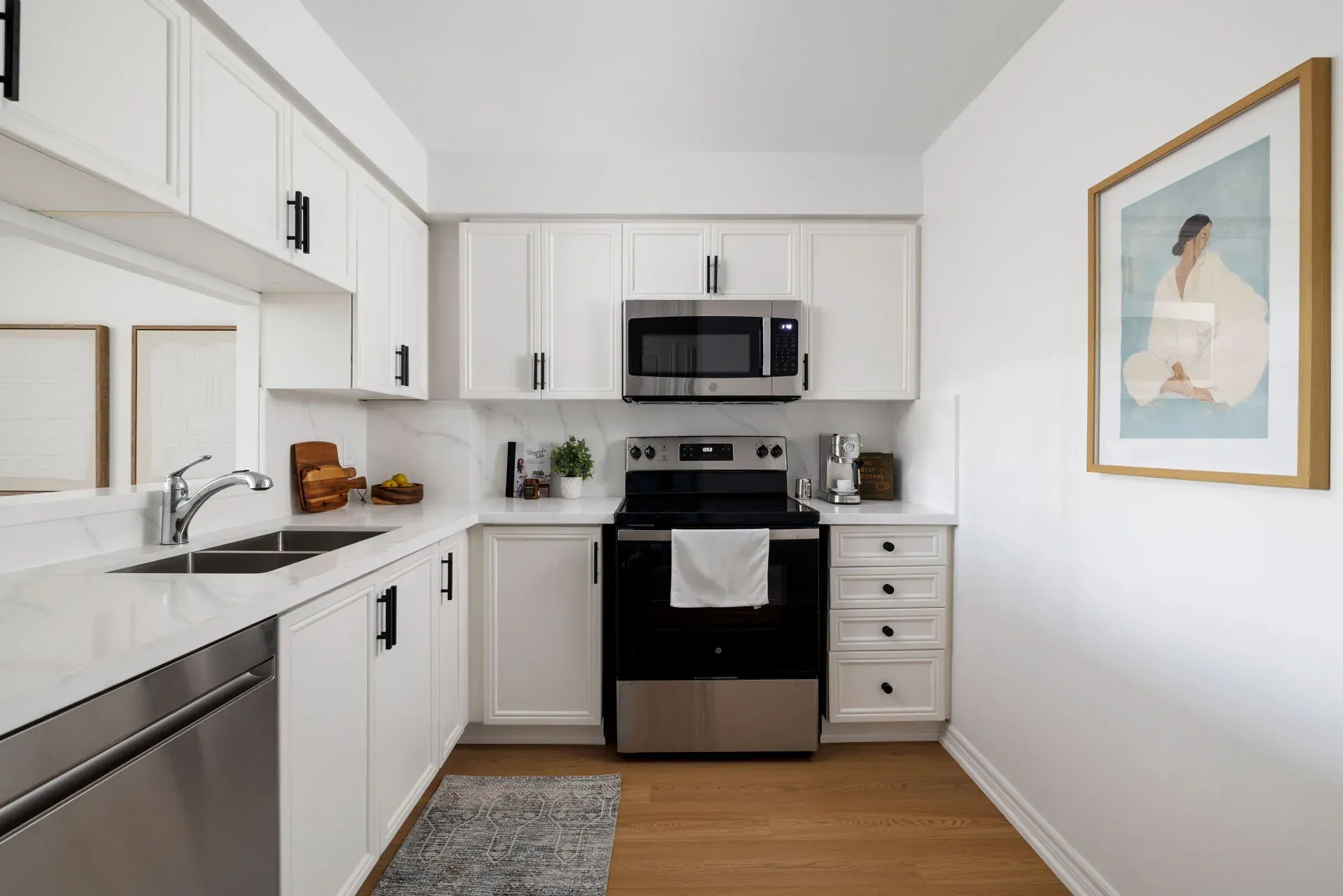
A well-staged home communicates through more than visual appeal. Buyers respond to atmosphere as much as layout, and scent plays a powerful role in shaping that atmosphere. While furniture placement and lighting receive attention, scent works quietly in the background, influencing perception without drawing notice.
Every property carries a natural scent profile. Without intervention, that profile may include lingering cooking odors, moisture, or stale air. These elements can disrupt even the most polished visual presentation. A controlled scent strategy enhances the overall environment and supports a cohesive sensory experience.
Why Scent Shapes Buyer Decisions?
Human perception relies heavily on sensory input. Smell connects directly to memory and emotion, which means a carefully chosen fragrance can evoke comfort, warmth, or cleanliness within seconds. Buyers rarely analyze scent consciously, yet it influences how long they stay, how they feel, and how they remember the space.
When a home feels inviting on a sensory level, buyers tend to form positive associations. These associations often translate into stronger interest and increased willingness to move forward. Conversely, unpleasant or overpowering scents can trigger hesitation and reduce engagement.
Establishing a Clean Scent Foundation
Before introducing any fragrance, a property must achieve a neutral baseline. Masking odors without addressing their source creates an artificial environment that buyers can quickly detect.
Focus on eliminating unwanted smells through:
- Deep cleaning of carpets, upholstery, and curtains
- Proper ventilation to refresh indoor air
- Removal of trash and organic waste
- Treatment of moisture or mildew issues
A clean scent foundation ensures that any added fragrance enhances rather than competes with the environment.
Selecting the Right Fragrance Profile
Not every scent suits every property. The selection must align with the home’s style, target audience, and overall staging concept. Subtlety remains essential. A fragrance should complement the space rather than dominate it.
Common scent categories used in staging include:
- Fresh and clean: Notes such as linen, citrus, or light herbal tones create a sense of order and hygiene
- Warm and comforting: Vanilla, soft spices, or baked-inspired scents evoke coziness
- Natural and airy: Green or floral tones enhance brightness and openness
Each category supports a different emotional response, making selection a strategic decision rather than a decorative choice.
Matching Scent to Property Type
Different properties benefit from distinct scent approaches. Aligning fragrance with property characteristics strengthens overall presentation.
Consider these pairings:
- Modern apartments: clean, crisp scents with minimal complexity
- Family homes: warm and comforting notes that suggest livability
- Luxury properties: subtle, sophisticated fragrances with layered tones
- Compact spaces: light, fresh scents that prevent heaviness
Consistency between scent and design theme reinforces authenticity and enhances buyer perception.
Placement Techniques That Enhance Subtlety
Scent distribution requires precision. Overuse can overwhelm buyers, while uneven placement creates inconsistency. Strategic positioning ensures balance and continuity throughout the property.
Effective placement methods include:
- Positioning diffusers near entry points for immediate impact
- Using multiple light sources rather than a single strong source
- Avoiding direct placement near food preparation areas
- Maintaining airflow to distribute fragrance evenly
Subtle diffusion creates a seamless experience that supports rather than distracts.
Avoiding Common Scent Mistakes
Improper use of fragrance can undermine staging efforts. Awareness of common pitfalls helps maintain a professional standard.
Key mistakes to avoid:
- Overpowering scents that dominate the space
- Artificial fragrances that feel synthetic
- Mixing multiple competing scents
- Ignoring underlying odor issues
- Using seasonal scents that feel out of context
A restrained and intentional approach preserves credibility and enhances appeal.
The Role of Scent in Emotional Connection
Emotional engagement plays a central role in property decisions. Buyers often imagine their future within a space, and scent supports that visualization. A welcoming fragrance can make a house feel like a home within moments.
This emotional connection often leads to:
- Longer viewing times
- Increased comfort during tours
- Stronger memory retention after visits
- Greater likelihood of positive feedback
Scent acts as a subtle yet powerful contributor to these outcomes.
Integrating Scent with Visual Staging Elements
Scent should never function in isolation. It must align with visual and tactile elements to create a unified presentation. For example, a clean, minimalist interior pairs best with crisp, neutral fragrances, while a cozy setting benefits from warmer tones.
Consistency across sensory elements ensures that buyers receive a coherent impression. When scent aligns with visual cues, it reinforces the intended atmosphere and strengthens overall impact.
Seasonal Adjustments Without Overemphasis
Seasonal influence can enhance staging when applied carefully. Light adjustments in fragrance can reflect the time of year without overwhelming the space.
Examples include:
- Fresh floral or citrus notes during warmer months
- Soft, warm scents during cooler periods
The goal remains subtle alignment rather than overt seasonal messaging.
Enhancing Open House Experiences
Open houses present a unique opportunity to use scent strategically. Multiple visitors move through the property within a short timeframe, making first impressions critical.
To maintain effectiveness:
- Refresh scent sources before the event
- Ensure consistent diffusion throughout the space
- Avoid introducing new scents immediately before visitors arrive
A stable scent environment supports a positive experience for each visitor.
Supporting Memory Retention Through Scent
Buyers often visit multiple properties in a single day. A distinctive yet subtle scent can help a home stand out in memory. When a property carries a pleasant and consistent fragrance, buyers may recall it more easily during decision-making.
This advantage does not rely on intensity. Instead, it depends on balance and consistency. A well-executed scent strategy leaves a lasting impression without drawing attention to itself.
Aligning Scent with Buyer Demographics
Different buyer groups may respond to scent in varying ways. While broad generalizations should be avoided, certain preferences tend to align with lifestyle expectations.
For instance:
- Young professionals may prefer clean, minimal fragrances
- Families may respond well to warm, inviting scents
- Luxury buyers may expect refined, understated notes
Adapting scent choices to likely buyer profiles enhances relevance and appeal.
Maintaining Air Quality Throughout the Process
Air quality plays a critical role in how scent performs. Poor ventilation can trap fragrance and create heaviness, while proper airflow supports even distribution.
Maintain air quality by:
- Opening windows when possible
- Using air purifiers to remove impurities
- Avoiding excessive humidity
A fresh environment allows scent to enhance rather than overwhelm.
Using Natural Elements to Support Fragrance
Natural elements can reinforce scent without relying solely on artificial sources. Fresh flowers, clean fabrics, and subtle greenery contribute to an authentic atmosphere.
These elements provide:
- Visual reinforcement of freshness
- Gentle, natural fragrance
- Enhanced overall presentation
Combining natural and controlled scent sources creates depth and authenticity.
Monitoring and Adjusting Scent Levels
Scent intensity can shift over time due to temperature, airflow, and occupancy. Regular monitoring ensures consistency and prevents overuse.
Adjustments may include:
- Repositioning diffusers
- Reducing or increasing fragrance levels
- Replacing scent sources as needed
Ongoing attention maintains balance and supports a professional presentation.
The Subtle Link Between Scent and Perceived Value
Buyers often associate pleasant environments with higher value. A well-scented home feels maintained, cared for, and ready for occupancy. This perception can influence how buyers assess overall quality.
While scent alone does not determine value, it contributes to a broader impression that supports stronger offers and quicker decisions.
Incorporating Scent into Marketing Strategy
Scent extends beyond physical staging. It can complement broader marketing efforts by reinforcing a consistent property identity. For instance, referencing a fresh and inviting atmosphere in listing descriptions aligns with the sensory experience during visits.
Professionals working with Toronto staging services often integrate scent as part of a holistic presentation strategy, ensuring consistency across marketing and in-person experiences.
Balancing Subtlety with Effectiveness
The most effective scent strategies remain nearly invisible. Buyers should notice the feeling created by scent rather than the scent itself. This balance requires careful selection, placement, and monitoring.
A restrained approach ensures that fragrance enhances the environment without becoming a focal point.
Elevating Buyer Experience Through Sensory Harmony
A successful staging strategy cohesively engages multiple senses. Visual appeal draws attention, while scent deepens emotional engagement. Together, these elements create an environment that feels complete and inviting.
When scent aligns with design, lighting, and layout, it supports a seamless experience that resonates with buyers on both conscious and subconscious levels.
FAQs
1. How strong should the scent be in a staged home?
Scent should remain subtle and barely noticeable. Buyers should feel a pleasant atmosphere without identifying a specific fragrance. Overpowering scents can create discomfort and raise suspicion about hidden issues. Balanced diffusion ensures a welcoming environment that supports positive perception without distraction.
2. What types of scents work best for most properties?
Clean and neutral scents such as light citrus, linen, or soft herbal notes work well in most settings. These fragrances create a sense of freshness and cleanliness. Warm scents like vanilla can also work in residential spaces when used sparingly and matched with the overall design style.
3. Should scent vary from room to room?
Maintaining consistency across rooms creates a cohesive experience. Introducing different scents in each area can feel disjointed and confusing. A single, well-chosen fragrance distributed evenly throughout the property ensures harmony and reinforces the intended atmosphere.
4. Can scent influence how long buyers stay during a viewing?
Yes, a pleasant scent can encourage buyers to spend more time in a property. When the environment feels comfortable and inviting, visitors tend to move more slowly and engage more deeply with the space. This increased engagement often supports stronger interest.
5. Are natural scents better than synthetic ones?
Natural scents often feel more authentic and less intrusive. However, high-quality synthetic fragrances can also work effectively when used correctly. The key lies in avoiding overly artificial or strong scents that may feel unnatural or overwhelming to visitors.
6. How can stagers eliminate unpleasant odors effectively?
Addressing the source of odors remains essential. Deep cleaning, proper ventilation, and moisture control remove unwanted smells at their origin. Masking odors with fragrance alone creates an artificial environment that buyers may quickly detect and question.
7. Is it appropriate to use food-related scents like baked goods?
Food-related scents can create warmth, but must be used with caution. Artificial bakery scents may feel staged or inauthentic. Subtle, natural warmth through mild vanilla or spice notes often achieves a similar effect without appearing forced or overly deliberate.
8. How often should scent levels be checked during staging?
Regular checks ensure consistency, especially before showings or open houses. Factors such as airflow and temperature can alter scent intensity. Monitoring allows for timely adjustments, maintaining a balanced and professional atmosphere throughout the selling process.
9. Can scent help a property stand out among multiple listings?
A consistent and pleasant scent can enhance memory retention. Buyers visiting several properties may recall a home more easily when it offers a distinct yet subtle sensory experience. This advantage supports stronger recall during decision-making stages.
10. Should scent strategies change based on target buyers?
Adapting scent to likely buyer preferences can improve effectiveness. Clean and minimal fragrances suit modern lifestyles, while warmer scents may appeal to family-oriented buyers. Aligning fragrance with target demographics strengthens relevance and enhances overall presentation.