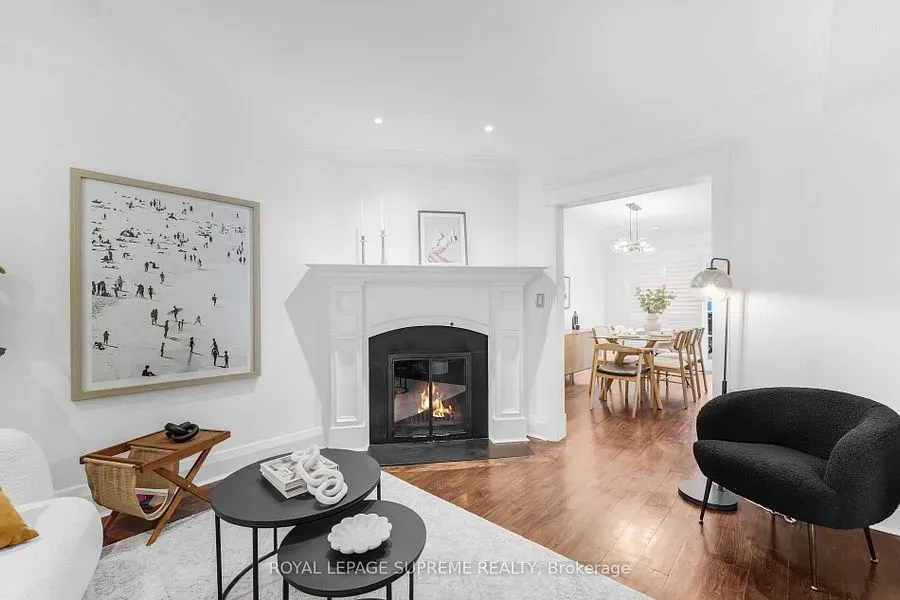
Color speaks before words ever do. Buyers respond to it instinctively, often without realizing why they feel comfortable in one home and uneasy in another. The shade on the walls, the contrast between surfaces, and the balance of tones across rooms all shape perception in powerful ways. In residential spaces, color influences how buyers judge cleanliness, space, warmth, and care within seconds of walking in.
In competitive housing markets, sellers often lean on a staging company that Toronto homeowners recognize for using color strategically to create emotional clarity. Color doesn’t decorate a home. It frames how buyers interpret everything inside it, from room size to overall condition.
Why Color Creates Immediate Emotional Signals?
Color triggers emotional responses faster than layout or features. Warm tones calm. Cool tones refresh. Harsh contrasts create tension. Soft transitions build comfort.
Buyers don’t analyze these reactions. They feel them. When color feels balanced, buyers relax. When it feels chaotic or heavy, they grow guarded.
That emotional shift shapes trust. A calm buyer stays longer, notices details, and engages openly.
Neutral Palettes Build Confidence, Not Boredom
Neutral colors often get dismissed as dull, but buyers read them differently. Soft neutrals signal clarity and care. They allow the home to speak without shouting.
Neutral doesn’t mean colorless. It means controlled. Beige, greige, soft gray, and warm white provide visual rest. Buyers feel the home won’t fight their future choices.
That flexibility builds confidence and reduces hesitation.
How Dark Colors Change Room Perception?
Dark colors carry weight. Used well, they add depth and sophistication. Used poorly, they shrink space and raise concern.
In residential settings, buyers often associate dark rooms with limited light or hidden flaws. Accent use works best when balanced with light surfaces and open layouts.
When buyers feel enclosed, they question comfort and usability.
Light Colors Expand Space Emotionally
Light colors reflect more than light. They reflect possibility.
Buyers perceive light-toned rooms as larger, cleaner, and more adaptable. Even modest spaces feel more open when walls don’t visually close in.
This perception matters in bedrooms, hallways, and living areas where space influences value judgment.
Warm vs Cool Tones and Buyer Comfort
Temperature matters emotionally.
Warm tones:
- Create coziness
- Encourage relaxation
- Support social spaces
Cool tones:
- Feel fresh and calm
- Enhance brightness
- Suit bathrooms and bedrooms
Welcoming homes balance both. Too much warmth feels heavy. Too much coolness feels sterile.
Color Consistency Builds Trust
Buyers feel uneasy when colors clash from room to room. Sharp transitions break flow and raise subconscious questions.
Consistent palettes create rhythm. Buyers move smoothly through the home without mental interruption.
That smooth movement supports trust. Buyers sense intentional care rather than patchwork decisions.
How Color Affects Perceived Cleanliness?
Color influences how clean a home feels. Light, balanced tones make dust, wear, and shadows less dominant.
High-contrast colors amplify imperfections. Buyers notice scuffs, uneven finishes, and wear more easily.
Clean-looking colors reassure buyers that maintenance matters.
The Role of White Without Overuse
White symbolizes cleanliness and simplicity. Used correctly, it lifts spaces. Used excessively, it feels cold.
Layering white with texture and warmth keeps it inviting. Buyers appreciate brightness without feeling like they entered a blank box.
Accent Colors as Emotional Anchors
Accent colors guide attention. They add interest without overwhelming.
Effective accents:
- Appear in décor, not walls
- Echo naturally across rooms
- Stay muted rather than loud
Buyers feel grounded when accents support the space rather than dominate it.
How Color Shapes Buyer Judgment of Value?
Buyers often equate visual harmony with quality. Balanced color choices suggest thoughtful decisions and pride of ownership.
Homes with chaotic or dated colors trigger value skepticism. Buyers anticipate repainting, which affects offer confidence.
Color quietly protects perceived value.
Bedrooms and Emotional Safety
Bedrooms demand calm. Buyers look for rest, not stimulation.
Soft neutrals, gentle contrasts, and warm undertones support emotional safety. Buyers imagine sleep, privacy, and comfort.
Bold colors disrupt that vision and shorten the emotional connection.
Kitchens and Trust Through Color
Kitchens anchor buying decisions. Color choices influence how functional and clean they feel.
Lighter palettes enhance openness. Subtle contrast defines surfaces without overwhelming.
Buyers trust kitchens that feel usable rather than styled for display.
Bathrooms and Color Psychology
Bathrooms benefit from clarity. Clean colors reinforce hygiene and order.
Soft whites, pale grays, and muted blues feel fresh without feeling cold. Buyers respond positively to bathrooms that feel simple and cared for.
Color and Natural Light Interaction
Natural light changes color behavior. What looks warm in daylight may feel dull in shade.
Staging accounts for light direction and intensity. Buyers feel more comfortable when colors stay consistent across lighting conditions.
Unpredictable color shifts cause uncertainty.
Flooring and Wall Color Balance
Walls don’t exist alone. Floors influence color perception heavily.
Warm floors pair best with balanced neutrals. Cool floors need warmth above to avoid coldness.
Buyers respond best when surfaces feel cohesive rather than competing.
Why Overly Trendy Colors Backfire?
Trends move faster than buying decisions. Buyers fear committing to someone else’s taste.
Trendy colors date quickly and distract emotionally. Neutral-forward palettes feel safer and more timeless.
Safety builds trust in long-term satisfaction.
Color and Buyer Memory
Buyers remember feeling more than specifics. Color shapes that memory.
Homes with balanced color leave a calm imprint. Buyers recall them as pleasant, easy, and livable.
Homes with harsh color schemes feel tiring in memory.
Emotional Flow From Room to Room
Color supports emotional pacing. Public spaces feel open. Private spaces feel calm.
Buyers appreciate when colors guide that emotional transition naturally.
Flow reinforces logic, which builds confidence.
Key Color Principles That Shape Buyer Perception
- Light tones expand perceived space
- Neutral palettes encourage trust
- Consistency supports flow
- Accent restraint adds warmth
- Balanced temperature improves comfort
These principles quietly influence buyer decisions.
How Color Reduces Buyer Resistance?
Buyers enter with defenses. Color lowers those defenses when it feels honest and calm.
Balanced color invites curiosity instead of scrutiny. Buyers feel welcomed rather than challenged.
That shift affects how they evaluate everything else.
Residential Buyers Value Emotional Ease
Homes serve personal lives. Buyers want spaces that support rest, connection, and routine.
Color choices that feel easy align with those needs.
When buyers feel emotionally supported, they engage more deeply.
Color as a Silent Communicator
Color communicates care, consistency, and respect. Buyers read these signals instantly.
When color feels intentional, buyers assume the same care extends beyond what they see.
That assumption strengthens trust.
The Long-Term Impact of Thoughtful Color Choices
Homes that feel visually calm attract serious attention. Buyers feel fewer doubts and less urgency to compare endlessly.
Color becomes part of the home’s quiet appeal rather than a point of debate.
Conclusion
Color never works alone. It works alongside light, space, and layout to shape how buyers feel inside a home. When chosen with intention, color builds comfort, trust, and emotional clarity.
Residential buyers don’t chase bold statements. They seek spaces that feel balanced and supportive. Color helps deliver that feeling without saying a word.
When buyers feel at ease, confidence follows—and confident buyers make decisions that last.