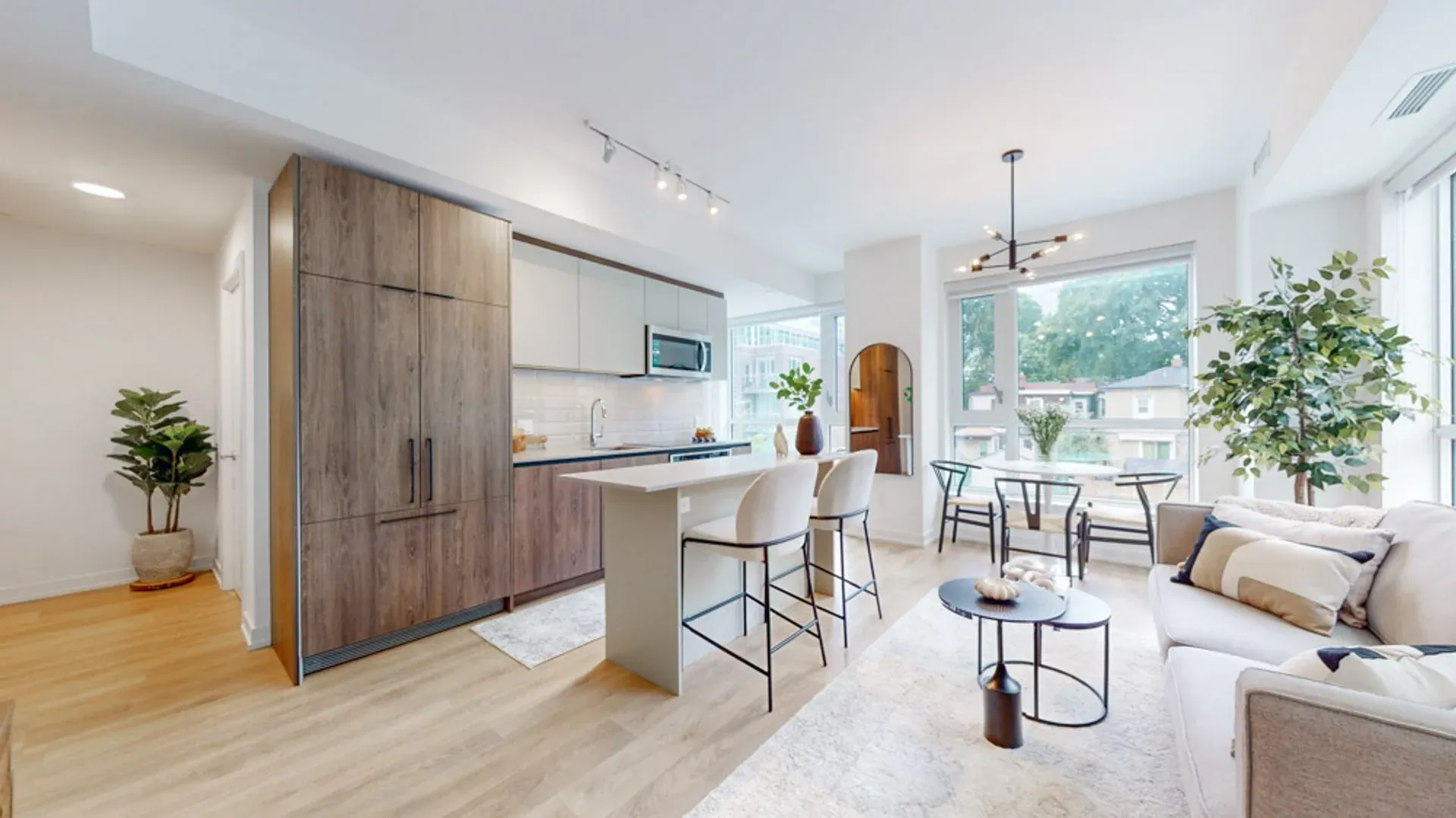
A home theater adds character, comfort, and entertainment value to a property. When presented thoughtfully, it becomes more than a dedicated media room and instead reflects a lifestyle that many buyers appreciate. However, a premium feature only creates a lasting impression when it blends naturally with the rest of the home. Effective staging highlights the theater while maintaining balance throughout every room. Careful furniture placement, coordinated décor, and meticulous preparation help buyers appreciate both the functionality and the visual appeal of the entire property.
Why Home Theaters Increase Property Appeal?
Many buyers seek homes that provide comfortable spaces for relaxation and entertainment. A dedicated home theater satisfies those expectations while adding a sense of luxury that distinguishes the property from competing listings.
Moreover, a theater room demonstrates thoughtful planning and efficient use of available space. Buyers often imagine movie nights, sporting events, family gatherings, or quiet evenings in a private entertainment setting.
However, staging should emphasize the overall experience instead of focusing only on equipment. A welcoming atmosphere helps buyers appreciate the room’s purpose without feeling overwhelmed by technology.
Consequently, proper staging transforms the theater into a memorable selling feature that supports the home’s overall value.
Create a Strong First Impression
Buyers begin evaluating a property immediately after arriving.
The entrance should establish expectations that continue throughout the entire home.
Focus on these priorities:
- Spotless flooring
- Bright entry lighting
- Fresh neutral paint
- Clean windows
- Organized storage
- Minimal decorative accessories
- Healthy indoor plants
- Well-maintained hardware
Furthermore, remove unnecessary furniture from entry spaces to improve circulation.
An uncluttered entrance creates a welcoming atmosphere while encouraging buyers to continue comfortably through the property.
Treat the Home Theater as a Lifestyle Space
Rather than presenting the theater as a room filled with electronics, create an environment centered on comfort and enjoyment.
Maintain Immaculate Cleanliness
Every surface should appear carefully maintained.
Inspect and clean:
- Projection screens
- Television displays
- Speakers
- Shelving
- Seating
- Flooring
- Side tables
- Light fixtures
Moreover, remove fingerprints, dust, and visible cables whenever possible.
Clean presentation communicates quality ownership while reinforcing the premium nature of the entertainment space.
Arrange Seating for Conversation and Viewing
Furniture placement influences buyer perception.
Position seating so every chair enjoys a comfortable viewing angle while preserving open walking paths.
Helpful seating arrangements include:
- Recliners facing the screen
- Sectional sofas with side tables
- Accent chairs for additional seating
- Small ottomans
- Comfortable spacing between rows
Balanced layouts make the room appear larger and more inviting.
Use Neutral Colors Throughout the Theater
Neutral tones attract a wider audience while allowing architectural features to remain the focus.
Consider using:
- Soft gray
- Warm beige
- Charcoal accents
- Deep navy highlights
- Natural wood finishes
However, avoid bold wall colors or highly themed decorations that may limit buyer appeal.
Subtle color combinations create sophistication while complementing adjacent living spaces.
Improve Lighting for Maximum Impact
Lighting shapes the atmosphere inside a home theater.
Although darker environments support movie viewing, property showings require balanced illumination.
Layer lighting with:
- Recessed ceiling fixtures
- Wall sconces
- LED accent lighting
- Floor lamps
- Table lamps
Additionally, install dimmers when available to demonstrate flexibility.
Balanced lighting allows buyers to appreciate room size, finishes, and architectural details without sacrificing the theater’s intended purpose.
Coordinate the Theater with Nearby Living Spaces
The home theater should never appear disconnected from the rest of the property.
Maintain visual consistency by repeating:
- Similar flooring
- Coordinated fabrics
- Matching hardware finishes
- Neutral decorative accents
- Complementary artwork
Consequently, buyers experience smooth transitions between entertainment areas and primary living spaces.
Consistent design reinforces the home’s overall quality while making every room feel connected.
Choose Furniture That Fits the Room
Oversized seating often reduces the feeling of spaciousness.
Instead, select furniture with comfortable proportions.
Suitable choices include:
- Modern recliners
- Compact sectional seating
- Upholstered accent chairs
- Storage ottomans
- Slim media consoles
Moreover, preserve generous walking space around every seating arrangement.
Comfort and accessibility remain equally important during property showings.
Reduce Technology Clutter
Buyers appreciate organized entertainment systems.
Hide unnecessary equipment whenever possible.
Organize:
- Streaming devices
- Remote controls
- Gaming accessories
- Charging cables
- Speakers
- Storage cabinets
Furthermore, conceal visible wiring behind furniture or inside cable management systems.
A tidy media setup helps buyers focus on the room rather than electronic clutter.
Stage the Room for Entertainment
Small decorative touches create warmth without overwhelming the design.
Consider displaying:
- Decorative trays
- Neutral throw blankets
- Coordinated cushions
- Tasteful artwork
- Small plants
However, avoid excessive movie memorabilia or themed decorations.
Simple styling appeals to a broader audience while maintaining a sophisticated appearance.
Highlight Sound and Comfort Without Demonstrations
Theater systems often include advanced audio equipment.
Rather than operating every feature during showings, allow buyers to appreciate the room visually.
Maintain clean speaker placement and balanced furniture arrangements that naturally suggest high-quality entertainment.
Consequently, buyers focus on the room’s comfort, proportions, and premium finishes instead of becoming distracted by technical demonstrations.
Prepare the Theater for Photography
Professional photographs often determine whether buyers schedule a viewing.
Before photography:
- Turn on accent lighting.
- Straighten seating.
- Hide cables.
- Clean screens.
- Arrange decorative pillows.
- Remove unnecessary accessories.
- Polish reflective surfaces.
- Vacuum flooring.
Balanced lighting and organized furnishings help the theater appear welcoming while emphasizing spaciousness and quality.
Connect the Home Theater to the Overall Design
A premium entertainment room should complement the home’s overall style rather than appear as a separate environment. Consistent design creates visual harmony and strengthens buyer confidence.
Repeat key design elements throughout nearby rooms, including:
- Coordinated flooring
- Matching wood finishes
- Similar wall colors
- Complementary textiles
- Consistent lighting styles
Moreover, maintain smooth transitions between the theater, living room, hallway, and adjacent spaces. Buyers appreciate homes that feel thoughtfully planned from one room to the next.
Create Comfortable Viewing Zones
A successful theater room balances functionality with relaxation.
Arrange Seating for Maximum Comfort
Position seating to provide clear viewing angles while maintaining open pathways.
Include furniture such as:
- Reclining chairs
- Comfortable sectional seating
- Compact side tables
- Upholstered ottomans
- Neutral accent chairs
However, avoid overcrowding the room with too many seats. Comfortable spacing makes the room appear larger while improving movement during property showings.
Maintain Open Walkways
Traffic flow plays an important role in staging.
Keep pathways free from decorative accessories, oversized furniture, or unnecessary equipment.
Consequently, buyers can move naturally through the room while appreciating its spacious layout.
Style the Media Console Carefully
The media console often serves as the room’s visual anchor.
Keep its appearance clean and organized.
Display only a few carefully selected items:
- Decorative books
- Small sculptures
- Elegant trays
- Green plants
- Simple candles
Furthermore, hide game controllers, charging cables, manuals, and extra electronics before every showing.
A clutter-free console reinforces the room’s polished appearance.
Use Soft Furnishings to Add Warmth
Textiles improve comfort while reducing the formal appearance of luxury entertainment rooms.
Suitable additions include:
- Area rugs
- Upholstered benches
- Fabric window treatments
Moreover, select durable materials with subtle textures rather than bold patterns.
Balanced fabrics soften the room while preserving a refined atmosphere.
Present Adjacent Living Areas with Equal Care
The theater should never outshine surrounding spaces.
Stage nearby rooms to support the home’s overall lifestyle appeal.
Prepare:
- Living room
- Family room
- Dining room
- Hallways
- Recreation areas
Furthermore, maintain similar decorating styles throughout the property.
Buyers respond positively when every room contributes to one consistent visual experience.
Keep Storage Areas Organized
Storage influences buyer perception more than many homeowners expect.
Inspect every cabinet, closet, and storage unit connected to the theater.
Organize:
- Movie collections
- Audio equipment
- Blankets
- Decorative items
- Cleaning supplies
Leave some open space inside cabinets whenever possible.
Consequently, storage appears larger and more practical.
Reduce Personal Touches
Personal belongings limit buyers’ ability to picture themselves living in the home.
Before every showing, remove:
- Family photographs
- Personalized decorations
- Sports memorabilia
- Collectibles
- Children’s toys
- Seasonal displays
Instead, use tasteful accessories that appeal to a wide range of buyers.
Neutral styling allows the home’s architectural features to receive greater attention.
Prepare the Entire Home Before Every Showing
Consistency remains essential throughout the property.
Complete this checklist before welcoming buyers:
- Open curtains.
- Turn on the lighting.
- Vacuum carpets.
- Wipe surfaces.
- Remove clutter.
- Straighten furniture.
- Empty trash bins.
- Refresh indoor plants.
- Clean mirrors.
- Check room temperature.
These simple steps help every room appear bright, organized, and move-in ready.
Appeal to Different Buyer Lifestyles
Not every buyer uses a home theater in the same way.
Some may imagine movie nights, while others picture gaming, sports viewing, virtual meetings, or family entertainment.
Consequently, avoid highly themed decorations.
A flexible design encourages buyers to visualize multiple possibilities that fit their own lifestyle.
Focus on Timeless Design Choices
Luxury staging works best when it avoids short-lived trends.
Choose:
- Neutral colors
- Quality furniture
- Classic lighting
- Elegant artwork
- Durable finishes
Moreover, timeless interiors maintain broad buyer appeal regardless of changing decorating preferences.
Many homeowners preparing premium properties seek professional staging services in Toronto because thoughtful planning highlights valuable features such as home theaters while maintaining a balanced presentation throughout the residence.
Avoid Common Home Theater Staging Mistakes
Even an impressive home theater can lose its appeal if staging overlooks basic presentation details. Buyers often notice distractions before appreciating premium features, so careful preparation remains essential.
Avoid these common mistakes:
- Overcrowded seating arrangements
- Visible cables and wires
- Dusty speakers or screens
- Excessive themed décor
- Poor lighting
- Personal memorabilia
- Loud wall colors
- Cluttered media cabinets
- Worn furniture
- Dirty carpets
Moreover, inspect the room before every showing to ensure every detail reflects quality and thoughtful maintenance. Small improvements often create a stronger impression than expensive upgrades.
Stage the Home for a Complete Entertainment Experience
The theater should support the overall lifestyle the property offers rather than function as an isolated feature.
Create harmony by ensuring nearby spaces complement the entertainment area. For example, a welcoming family room, an organized dining space, and an inviting kitchen help buyers picture hosting guests with ease.
Furthermore, maintain consistent colors, furniture styles, and decorative accents throughout the home. A unified presentation makes the property feel larger, more elegant, and carefully planned.
Final Preparation Before Buyer Visits
Every showing should begin with a detailed inspection.
Complete this checklist before buyers arrive:
- Turn on all lighting.
- Open blinds and curtains.
- Dust every surface.
- Vacuum carpets and rugs.
- Arrange cushions neatly.
- Polish screens and glass.
- Empty waste bins.
- Organize storage.
- Adjust room temperature.
Consequently, buyers experience a fresh, comfortable environment that encourages them to spend more time appreciating the home’s features.
Conclusion
A thoughtfully staged home theater adds comfort, sophistication, and lasting value to a property. Clean presentation, balanced furniture placement, coordinated décor, and organized technology create an inviting entertainment space that appeals to a broad range of buyers. Moreover, maintaining visual consistency throughout the home allows the theater to enhance the property’s overall character. Careful staging helps buyers picture enjoyable everyday living while strengthening the home’s market appeal.
FAQs
1. Why should a home theater be staged before listing a property?
A well-staged home theater highlights comfort, functionality, and luxury while helping buyers imagine using the space. Clean presentation, organized equipment, and balanced furniture create a stronger first impression and enhance the property’s overall appeal.
2. What colors work best in a staged home theater?
Neutral colors such as gray, beige, charcoal, soft white, and natural wood tones appeal to the widest audience. These shades create a refined atmosphere while allowing architectural details and entertainment features to stand out naturally.
3. How much furniture should remain in the theater room?
Include enough seating to demonstrate the room’s purpose without making it feel crowded. Comfortable furniture arranged with clear walking paths helps buyers appreciate both functionality and spaciousness during property viewings.
4. Should gaming equipment remain visible during showings?
It is usually better to store gaming accessories, controllers, cables, and extra electronics neatly out of sight. Organized spaces appear cleaner and allow buyers to focus on the room rather than personal belongings.
5. How important is lighting in a home theater?
Lighting plays a significant role in creating atmosphere. Layered lighting using recessed fixtures, sconces, and accent lighting helps buyers appreciate room size, finishes, and seating while preserving the theater’s intended purpose.
6. What decorative accessories suit a home theater?
Simple accessories such as neutral cushions, decorative trays, tasteful artwork, and soft throws create warmth without overwhelming the room. Minimal décor generally appeals to more buyers than highly themed decorations.
7. Should personal movie collections stay on display?
A small, organized collection may add character, but large personal collections often create visual clutter. Keeping shelves neat helps buyers focus on the room’s design rather than the homeowner’s individual preferences.
8. How should technology be presented during staging?
Organize electronic equipment neatly and hide visible wiring whenever possible. Clean screens, properly positioned speakers, and uncluttered media cabinets create a polished appearance that reflects thoughtful home maintenance.
9. Can a home theater increase buyer interest?
Yes. Many buyers value dedicated entertainment spaces because they provide comfort, convenience, and flexibility. When staged professionally, a home theater can become one of the property’s most memorable features.
10. What is the biggest mistake when staging a home theater?
Overdecorating the room or allowing technology clutter to dominate the space often reduces buyer appeal. Clean layouts, organized equipment, neutral décor, and comfortable seating help buyers focus on the room’s potential rather than unnecessary distractions.