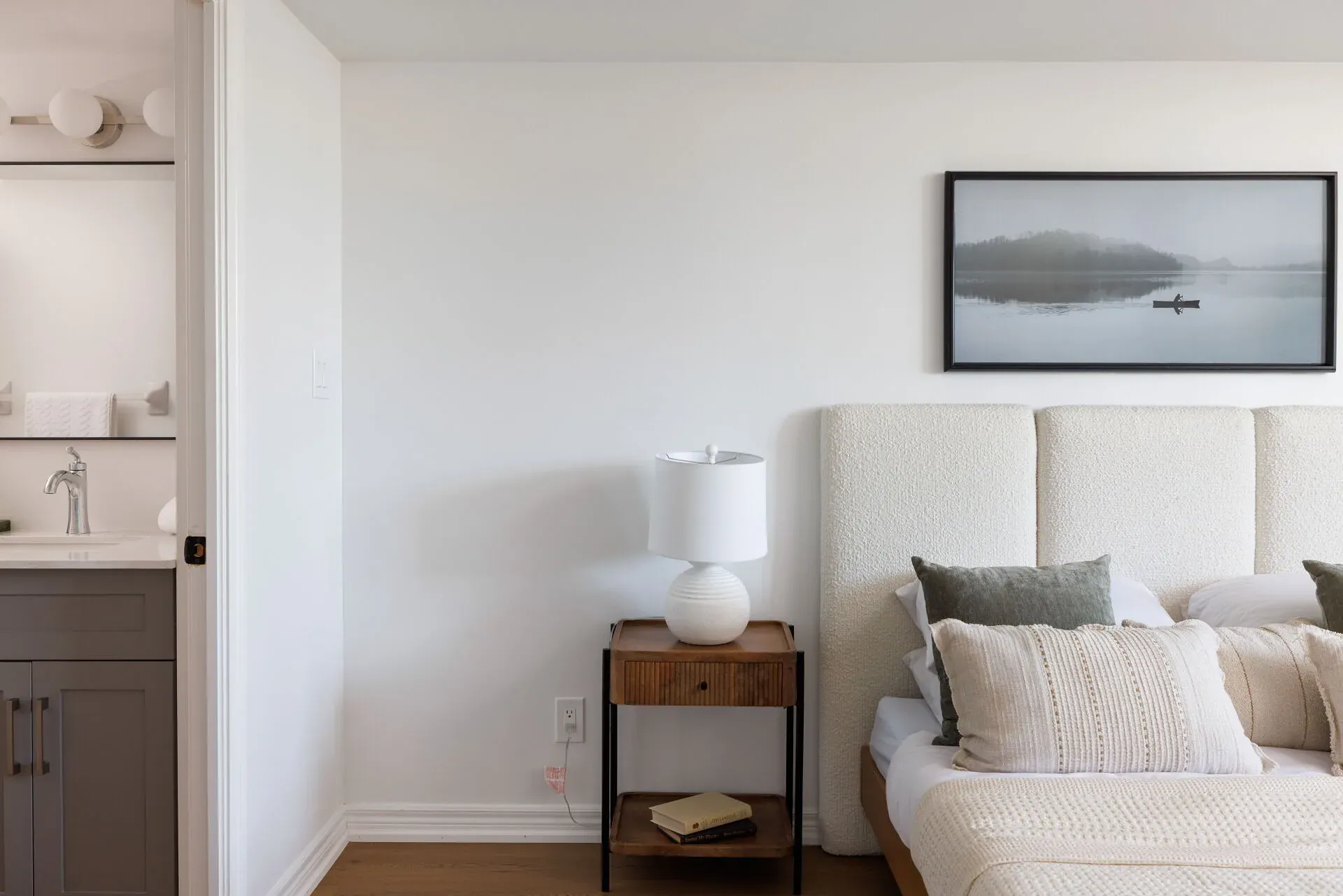
Selling a property in Toronto demands more than clean floors and fresh paint. Many sellers rely on a staging company Toronto to elevate presentation and push their final sale price beyond expectations.
A well-staged home does not just look better. It performs better. Buyers respond faster, compete harder, and often stretch their budgets when a space feels complete and emotionally engaging. That shift alone can add tens of thousands to the final number.
Why Buyers Pay More for Staged Homes?
Buyers rarely approach a property with pure logic. They react emotionally within seconds. If the home feels right, they justify the price later.
Staging removes friction. It presents a finished lifestyle instead of an empty shell. Buyers walk in and feel certainty.
That certainty translates into stronger offers.
What Drives Higher Offers?
- Immediate emotional connection
- Reduced doubt about layout and usability
- Perception of higher value
- Fear of losing the property to another buyer
- Willingness to act quickly
When multiple buyers feel the same pull, competition begins. That competition pushes prices upward.
The $50K+ Impact: Where It Comes From
A price increase of $50K or more does not come from a single factor. It builds from multiple layers working together.
Key Drivers of Price Growth
- Increased showing traffic
- Higher online engagement
- More time spent inside the property
- Stronger emotional attachment
- Multiple offer scenarios
Each element adds pressure to the buying process. Together, they create a bidding environment.
First Impressions Set the Ceiling
The first impression sets the tone for everything that follows. Buyers form opinions within moments of entering a home.
An empty or poorly presented property creates hesitation. A staged property creates confidence.
Confidence leads to higher offers.
Elements That Shape First Impressions
- Entryway styling and flow
- Lighting and brightness
- Clean, uncluttered surfaces
- Balanced furniture placement
- Neutral yet inviting color palette
These details influence how buyers feel before they even reach the main living areas.
The Power of Visual Storytelling
Staging works because it tells a story. Each room communicates purpose and lifestyle.
A blank room leaves questions. A staged room provides answers.
Examples of Effective Storytelling
- A living room arranged for conversation
- A bedroom styled for comfort and rest
- A dining area set for gathering
- A workspace that reflects productivity
Buyers step into these spaces and imagine their own lives unfolding there. That mental shift increases perceived value.
Online Listings: The Hidden Price Multiplier
Most buyers encounter a property online before they visit in person. Photos determine whether they click or scroll.
Staged homes dominate visually. They stand out in crowded listing platforms and generate more interest.
How Staging Improves Online Performance?
- Creates depth and dimension in photos
- Highlights the room functionality
- Enhances lighting and color balance
- Increases click-through rates
- Encourages more showings
More showings lead to more potential offers. More offers lead to higher sale prices.
Creating Urgency in Buyers
Urgency drives action. When buyers feel pressure, they move faster and bid higher.
Staging plays a key role in building that urgency.
How Staging Creates Urgency?
- Makes the home feel move-in ready
- Signals high demand through a strong presentation
- Encourages emotional attachment
- Reduces time for overthinking
Buyers who hesitate risk losing the property. That fear pushes them to increase their offers.
Eliminating Buyer Objections
Every objection lowers the final sale price. Buyers use flaws as leverage during negotiations.
Staging minimizes these objections by presenting the home in its best light.
Common Objections Reduced by Staging
- “The space feels too small.”
- “I can’t picture my furniture here.”
- “The layout seems awkward.”
- “The home feels cold or empty.”
When these concerns disappear, buyers focus on what they love instead of what they doubt.
Strategic Room Prioritization
Not every room requires equal attention. Some spaces influence buyers more than others.
High-Impact Areas
- Living room
- Kitchen
- Primary bedroom
- Entryway
Focusing on these areas delivers the strongest return.
A well-staged living room alone can shift perception enough to increase overall value.
The Role of Scale and Proportion
Furniture size and placement affect how buyers perceive space.
Oversized furniture makes rooms feel cramped. Undersized pieces make them feel awkward.
Staging uses proper scale to create balance.
Benefits of Correct Proportion
- Rooms feel larger and more functional
- Flow improves between spaces
- Buyers understand the layout instantly
This clarity removes hesitation and builds confidence.
Lighting: The Silent Influencer
Lighting shapes mood and perception. Dark spaces feel smaller and less inviting.
Staging enhances lighting through a mix of natural and artificial sources.
Lighting Techniques That Add Value
- Layered lighting for depth
- Warm tones for comfort
- Strategic lamp placement
- Maximizing natural light
A bright home feels more valuable. Buyers associate light with cleanliness and quality.
Neutral Design Wins More Buyers
Bold personal styles limit appeal. Neutral design broadens it.
Staging creates a canvas that appeals to the largest possible audience.
Why Neutral Design Works?
- Allows buyers to imagine their own style
- Reduces distraction
- Creates a clean, cohesive look
- Appeals to diverse demographics
Wider appeal increases the number of interested buyers, which increases competition.
Emotional Anchoring and Pricing
Buyers anchor their perception of value early. A well-staged home sets a high anchor.
Once buyers accept that value, they adjust their expectations upward.
How Anchoring Works?
- Strong presentation sets a premium perception.
- Buyers compare other homes against it
- Offers align with perceived quality
This psychological effect plays a major role in achieving higher sale prices.
Faster Sales Reduce Hidden Costs
A higher sale price does not come only from offers. It also comes from avoiding losses.
A staged home often sells faster, reducing carrying costs.
Costs Reduced Through Faster Sales
- Mortgage payments
- Property taxes
- Utility bills
- Maintenance expenses
Saving on these costs increases overall profit.
Real-World Pricing Scenarios
Consider two similar properties in the same Toronto neighborhood.
Property A: Empty
- Fewer showings
- Longer time on market
- One or two offers
- Final price close to asking or below
Property B: Staged
- High showing traffic
- Strong online engagement
- Multiple offers
- Final price significantly above asking
The difference can easily exceed $50K.
Common Mistakes That Limit Results
Staging works best when executed correctly. Poor decisions can reduce its impact.
Mistakes to Avoid
- Overcrowding rooms with furniture
- Using overly bold or trendy decor
- Ignoring lighting
- Leaving clutter visible
- Neglecting curb appeal
Attention to detail makes the difference between average and exceptional results.
Exterior Presentation Matters Too
The exterior sets expectations before buyers enter the home.
Staging extends beyond interiors.
Key Exterior Enhancements
- Clean entrance and walkway
- Fresh landscaping
- Neutral front door styling
- Proper outdoor lighting
A strong exterior creates anticipation and reinforces value.
Buyer Competition Drives Price Growth
Competition remains the most powerful force behind price increases.
Staging fuels that competition by attracting more buyers and creating stronger emotional responses.
Competitive Dynamics
- More interest leads to more offers
- More offers create bidding pressure
- Bidding pressure increases final price
Without competition, price growth remains limited.
Conclusion
Home staging influences how buyers see, feel, and act. It transforms a property into a product that sells faster and for more money.
A well-executed staging strategy can add $50K or more by increasing demand, reducing hesitation, and creating competition.
Sellers who focus on presentation position their properties for stronger financial outcomes and smoother transactions.