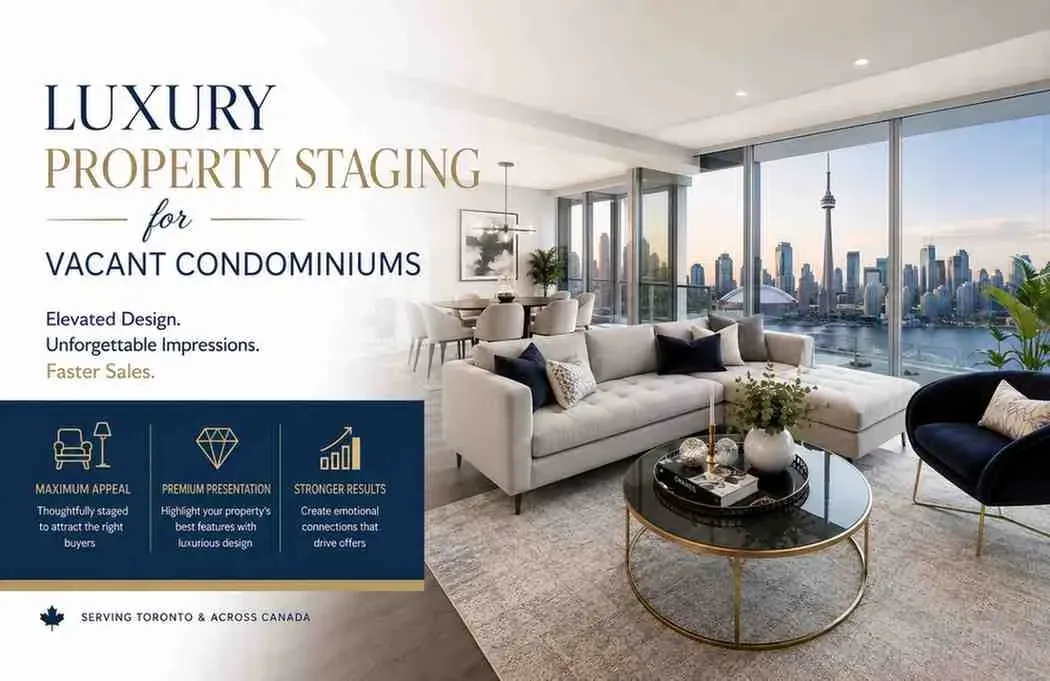
Empty luxury condominiums offer remarkable architecture, premium finishes, and refined layouts. However, vacant interiors rarely create the emotional connection that encourages confident buying decisions. Thoughtful staging transforms spacious yet empty rooms into welcoming environments that highlight comfort, elegance, and functionality. Carefully selected furnishings, balanced decor, and strategic styling allow every room to communicate its intended purpose while emphasizing the property’s distinctive features.
Why Empty Luxury Condominiums Need Professional Staging?
Luxury buyers expect more than attractive finishes. They seek a residence that reflects an elevated lifestyle and provides immediate visual appeal. Consequently, an unfurnished condominium often feels less inviting than one with carefully planned interiors.
A vacant property presents challenges because buyers must imagine furniture placement, room proportions, and everyday living arrangements without visual support. Many visitors struggle to picture these possibilities, even when the floor plan offers excellent functionality.
Professional staging addresses these concerns by creating environments that feel complete without overwhelming the architecture. Every furnishing contributes to a balanced presentation that keeps attention focused on the property’s strongest attributes.
Creating an Emotional Connection
Luxury real estate purchases involve both logic and emotion. Although buyers evaluate location, construction quality, and amenities carefully, emotional appeal often influences final decisions.
Well-designed interiors encourage visitors to picture:
- Relaxing after work
- Hosting family celebrations
- Enjoying panoramic city views
- Working comfortably from home
- Entertaining guests in elegant surroundings
As a result, buyers spend more time appreciating the property rather than trying to imagine how empty spaces might function.
Making Large Spaces Feel Purposeful
Luxury condominiums frequently feature:
- Open-concept living areas
- High ceilings
- Floor-to-ceiling windows
- Oversized bedrooms
- Spacious balconies
- Flexible bonus spaces
Without furniture, these impressive areas may appear larger than necessary or surprisingly difficult to arrange.
Strategic staging defines each zone clearly while preserving openness. Therefore, buyers recognize practical layouts that support modern lifestyles without sacrificing elegance.
The Unique Challenges of Staging Luxury Condominiums
Luxury condominiums differ significantly from traditional residential properties. Their architectural details demand a refined presentation that complements premium finishes instead of competing with them.
Every styling decision should reinforce sophistication while maintaining visual balance throughout the residence.
Highlighting Premium Architectural Features
Many upscale condominiums include exceptional design elements such as:
- Designer kitchens
- Imported stone countertops
- Custom cabinetry
- Hardwood flooring
- Statement lighting
- Expansive glass walls
- Private terraces
Furniture placement should frame these features rather than conceal them. Additionally, decorative accessories should enhance architectural beauty without creating unnecessary distraction.
Working With Limited Storage
Luxury condominiums often maximize living space rather than storage. Consequently, excessive decor quickly creates visual clutter.
Successful staging emphasizes:
- Minimal decorative objects
- Clean horizontal surfaces
- Organized closets
- Streamlined furniture
- Hidden storage solutions
This restrained approach allows buyers to appreciate spacious interiors without visual interruptions.
Respecting Building Design
Many luxury developments feature carefully designed common areas with consistent architectural themes. Interior staging should complement this aesthetic instead of introducing conflicting styles.
For example, a contemporary building benefits from furnishings with clean silhouettes and refined textures. Meanwhile, a residence featuring warmer finishes may benefit from softer materials and timeless design elements.
Consistency strengthens the property’s overall presentation.
Planning Before Furniture Arrives
Successful staging begins long before furnishings enter the condominium. Proper preparation creates an efficient process while ensuring every design decision supports the property’s strengths.
Careful planning also reduces unnecessary adjustments during installation.
Evaluating Every Room
Each room deserves an individual assessment.
Important considerations include:
- Natural lighting
- Window placement
- Ceiling height
- Architectural focal points
- Traffic flow
- Built-in features
- Flooring materials
- Wall colors
These observations influence furniture selection and placement throughout the property.
Identifying the Target Buyer
Luxury condominiums attract different buyer profiles depending on their location and amenities.
Potential buyers may include:
- Corporate professionals
- Executives
- Investors
- Downsizing homeowners
- International purchasers
- Retired couples
- Young affluent families
Each audience values different lifestyle features. Therefore, staging should communicate versatility while remaining broadly appealing.
Establishing Visual Priorities
Not every room requires identical emphasis.
Primary attention typically focuses on:
- Entry area
- Living room
- Kitchen
- Dining area
- Primary bedroom
- Main bathroom
- Balcony
These spaces leave lasting impressions during property viewings.
Secondary rooms should remain equally polished while supporting the overall design narrative.
Selecting the Right Design Style
Luxury staging succeeds when interiors feel timeless rather than temporary. Trend-driven styling may become distracting, whereas balanced design appeals to a broader range of buyers.
Every decorative decision should reinforce elegance without dominating the architecture.
Contemporary Minimalism
Many luxury condominiums feature modern construction with sleek finishes.
This design direction emphasizes:
- Neutral color palettes
- Simple furniture lines
- Natural textures
- Large artwork
- Limited accessories
- Open sightlines
Consequently, buyers focus on room dimensions and premium materials instead of decorative excess.
Soft Transitional Design
Some condominiums combine contemporary architecture with traditional warmth.
Transitional styling includes:
- Comfortable seating
- Layered textiles
- Subtle metallic finishes
- Neutral artwork
- Warm wood accents
- Refined lighting
This combination creates inviting interiors that appeal across multiple age groups.
Luxury Without Excess
High-end presentation does not require extravagant decoration.
Instead, refined staging relies upon:
- Quality furnishings
- Excellent proportions
- Coordinated color palettes
- Elegant textures
- Balanced lighting
- Carefully selected artwork
As a result, sophistication appears natural rather than forced.
Creating a Strong First Impression
Buyers begin forming opinions within moments of entering a property. Therefore, the entrance establishes expectations for everything that follows.
A welcoming arrival encourages visitors to continue viewing with genuine interest.
Designing an Inviting Entry
Even compact entry areas deserve careful attention.
Essential elements may include:
- A stylish console table
- Decorative mirror
- Elegant lamp
- Fresh greenery
- Tasteful artwork
- Neutral accessories
These details create visual interest without overcrowding the entrance.
Maintaining Visual Flow
Every room should connect naturally with adjacent spaces.
Furniture placement should:
- Encourage movement
- Preserve open walkways
- Highlight architectural symmetry
- Maintain balanced proportions
- Frame attractive views
Smooth visual transitions create an impression of spaciousness throughout the condominium.
Using Natural Light Effectively
Luxury buyers appreciate bright interiors.
To maximize daylight:
- Keep window treatments minimal.
- Position mirrors thoughtfully.
- Avoid blocking windows with tall furniture.
- Select lighter upholstery.
- Maintain clean glass surfaces.
Bright rooms appear larger, fresher, and more welcoming. Additionally, natural light enhances premium finishes, making stone, wood, and polished surfaces appear even more impressive.
Designing Elegant Living Spaces
The living room often becomes the visual centerpiece of a luxury condominium. It should demonstrate comfort while reinforcing sophistication. Every furnishing should contribute to a balanced composition that encourages buyers to appreciate the room’s scale and flexibility.
Defining Conversation Areas
Open layouts benefit from clearly arranged seating.
Effective arrangements often include:
- A well-proportioned sofa
- Coordinating accent chairs
- A refined coffee table
- Side tables with subtle styling
- Layered lighting
- A textured area rug
These elements establish comfortable gathering spaces while preserving open circulation.
Balancing Scale and Proportion
Oversized furniture can make even spacious condominiums feel crowded. Conversely, furniture that appears too small diminishes the sense of luxury.
Appropriate proportions allow buyers to appreciate ceiling height, natural light, and architectural features simultaneously. Moreover, balanced layouts improve visual harmony throughout the residence.
Adding Texture Without Clutter
Texture creates depth even when color palettes remain neutral.
Consider incorporating:
- Linen fabrics
- Velvet cushions
- Woven accessories
- Natural wood
- Stone accents
- Soft throws
Layered materials introduce warmth while maintaining an elegant appearance.
Presenting the Kitchen as a Premium Gathering Space
Luxury kitchens represent more than cooking areas. They often serve as social hubs where family members and guests naturally gather.
Careful styling allows buyers to appreciate craftsmanship without unnecessary distractions.
Keeping Surfaces Clean
Countertops should remain largely clear.
A restrained display may include:
- A decorative bowl
- Fresh flowers
- Quality serving pieces
- A tasteful cutting board
However, excessive accessories reduce the visual impact of premium countertops and cabinetry.
Highlighting Functional Features
Luxury kitchens frequently include:
- Large islands
- Built-in appliances
- Wine storage
- Designer lighting
- Custom shelving
Furniture placement should keep these elements visible. Consequently, buyers recognize the value of thoughtful design and quality construction.
Creating Dining Appeal
Adjacent dining areas should demonstrate comfortable entertaining.
Suitable additions include:
- An elegant dining table
- Coordinated chairs
- Simple table styling
- Contemporary artwork
These details suggest memorable gatherings without overwhelming the space.
Making Bedrooms Feel Relaxing
Bedrooms should communicate rest, privacy, and comfort. A calm atmosphere helps buyers picture peaceful routines while appreciating generous room dimensions.
Soft textures and restrained styling contribute to an inviting environment.
Styling the Primary Bedroom
The primary bedroom deserves particular attention because buyers often view it as a personal retreat.
Essential furnishings may include:
- A premium bed
- Coordinated bedside tables
- Elegant lamps
- Layered bedding
- Minimal artwork
- Soft accent seating
Each element should reinforce comfort while preserving spaciousness.
Enhancing Secondary Bedrooms
Additional bedrooms should demonstrate flexibility.
They may function as:
- Guest accommodations
- Children’s rooms
- Reading spaces
- Home offices
- Creative studios
Neutral staging broadens buyer appeal by allowing multiple possibilities.
Keeping Closets Appealing
Luxury buyers frequently inspect storage carefully.
Closets should appear:
- Organized
- Spacious
- Bright
- Easy to access
- Free of unnecessary items
An orderly presentation reinforces overall property quality.
Elevating Bathrooms With Refined Styling
Bathrooms contribute significantly to buyer impressions. Even premium finishes lose impact when styling appears neglected or excessive.
Simple details often create the strongest presentation.
Creating a Spa-Inspired Atmosphere
Luxury bathrooms benefit from subtle decorative touches.
Examples include:
- Rolled white towels
- Decorative trays
- Glass containers
- Neutral candles
- Elegant soaps
These accessories introduce comfort while maintaining visual cleanliness.
Emphasizing Premium Materials
Natural stone, porcelain, and custom fixtures deserve attention.
Therefore:
- Keep mirrors spotless.
- Polish metal finishes.
- Remove unnecessary personal items.
- Maintain immaculate grout.
- Ensure excellent lighting.
Small maintenance details influence perceived quality.
Using Color to Support Luxury Appeal
Color affects mood, perceived space, and visual balance. Consequently, thoughtful palettes strengthen every staging decision.
Neutral foundations generally appeal to broader buyer audiences.
Choosing Timeless Color Schemes
Successful luxury interiors frequently combine:
- Warm white
- Soft beige
- Light gray
- Charcoal
- Taupe
- Muted earth tones
These combinations create calm environments while complementing premium finishes.
Introducing Controlled Contrast
Contrast prevents neutral interiors from appearing flat.
Accent colors may appear through:
- Artwork
- Decorative cushions
- Sculptural accessories
- Floral arrangements
- Textured fabrics
Balanced contrast adds personality without dominating the room.
Lighting That Enhances Every Room
Lighting influences mood, photography, and buyer perception. Even beautifully furnished interiors appear less impressive under poor lighting conditions.
Every viewing should benefit from layered illumination.
Maximizing Natural Daylight
Natural light remains one of the strongest selling features.
Improve daylight by:
- Opening window coverings fully
- Cleaning windows thoroughly
- Using reflective decor
- Positioning mirrors carefully
- Avoiding heavy drapery
Bright interiors appear healthier, larger, and more inviting.
Layering Artificial Lighting
Effective lighting combines several sources.
These commonly include:
- Ceiling fixtures
- Floor lamps
- Table lamps
- Under-cabinet lighting
- Accent lighting
Layering eliminates harsh shadows while highlighting architectural details.
The Importance of Thoughtful Accessories
Accessories complete the visual story of a luxury condominium. Nevertheless, restraint remains essential.
Each decorative piece should contribute to the overall composition.
Selecting Meaningful Decorative Pieces
Appropriate accessories include:
- Contemporary sculptures
- Elegant books
- Ceramic vases
- Glass decor
- Natural greenery
Every selection should appear intentional rather than decorative for its own sake.
Maintaining Visual Balance
Accessories should remain evenly distributed throughout the property.
Avoid:
- Overcrowded shelves
- Excessive wall decor
- Numerous small ornaments
- Bright novelty items
Instead, allow negative space to frame premium architectural features.
Preparing Luxury Condominiums for Photography
Professional photography frequently shapes a buyer’s first impression before an in-person viewing occurs. Consequently, every staged room should appear equally impressive through the camera lens.
Before scheduling photography:
- Remove unnecessary cords.
- Straighten furniture.
- Align decorative objects.
- Eliminate fingerprints.
- Refresh flowers and greenery.
- Check every light fixture.
- Open blinds evenly.
- Inspect reflections in mirrors.
Attention to these details produces polished images that communicate quality and sophistication. Additionally, carefully prepared interiors often generate stronger buyer interest because every photograph reflects consistency and thoughtful presentation.
Within many competitive urban markets, sellers often consult a staging company Toronto homeowners trust to create interiors that photograph beautifully while appealing to discerning luxury buyers.
Common Mistakes That Reduce Luxury Appeal
Even exceptional condominiums can lose buyer interest when presentation overlooks important details. Small styling errors often distract from premium finishes and thoughtful architecture. Therefore, careful preparation before every viewing supports a stronger overall impression.
Overfurnishing the Interior
Luxury properties benefit from generous open space. Excess furniture reduces visual flow and makes rooms appear smaller than their actual dimensions.
Avoid:
- Oversized sectional sofas
- Too many decorative chairs
- Crowded shelving
- Multiple accent tables
- Excessive decorative accessories
Instead, allow each furnishing to serve a clear purpose while maintaining comfortable movement throughout the home.
Ignoring Maintenance Details
Beautiful staging cannot compensate for neglected maintenance.
Check carefully for:
- Burned-out light bulbs
- Scuffed walls
- Loose cabinet handles
- Dirty windows
- Scratched flooring
- Water stains
- Dust on surfaces
Moreover, spotless presentation reinforces the impression of quality and attentive ownership.
Using Inconsistent Design Styles
Every room should contribute to one cohesive visual story. Mixing unrelated furniture styles, bold color schemes, or conflicting decorative themes weakens the property’s overall presentation.
Consistency creates confidence because buyers experience a seamless transition from one room to another.
Preparing for Property Viewings
A staged condominium should remain viewing-ready throughout the marketing period. Routine preparation helps maintain the elegant atmosphere created during installation.
Final Viewing Checklist
Before each showing:
- Open blinds to maximize daylight.
- Turn on appropriate lighting.
- Arrange cushions neatly.
- Remove fingerprints from glass.
- Empty trash containers.
- Refresh flowers if necessary.
- Keep countertops clear.
- Check room temperature.
- Ensure pleasant air quality.
Additionally, soft background ambiance without strong scents allows visitors to focus entirely on the property itself.
Maintaining Consistency Throughout the Selling Process
Luxury buyers may schedule multiple visits before making a decision. Consequently, every appointment should present the condominium at the same exceptional standard.
Regular inspections help preserve:
- Furniture placement
- Decorative balance
- Lighting quality
- Cleanliness
- Fresh appearance
Reliable presentation reinforces confidence and strengthens buyer perception.
Long-Term Value of Thoughtful Staging
Luxury staging supports more than attractive photographs. It helps buyers appreciate architectural quality, visualize comfortable living, and recognize the property’s full potential.
Furthermore, carefully styled interiors create memorable impressions that remain with prospective purchasers after multiple property visits. Balanced design, refined furnishings, and consistent presentation encourage buyers to focus on lifestyle possibilities rather than vacant rooms.
When every design decision supports the architecture, the condominium communicates elegance, comfort, and functionality without unnecessary distraction.
Conclusion
Empty luxury condominiums achieve greater visual impact when every room communicates purpose, balance, and sophistication. Careful furniture selection, refined decor, effective lighting, and consistent styling help buyers appreciate premium features with confidence. As a result, thoughtfully staged interiors create welcoming spaces that support stronger first impressions while allowing the property’s architecture, craftsmanship, and layout to remain the primary focus.