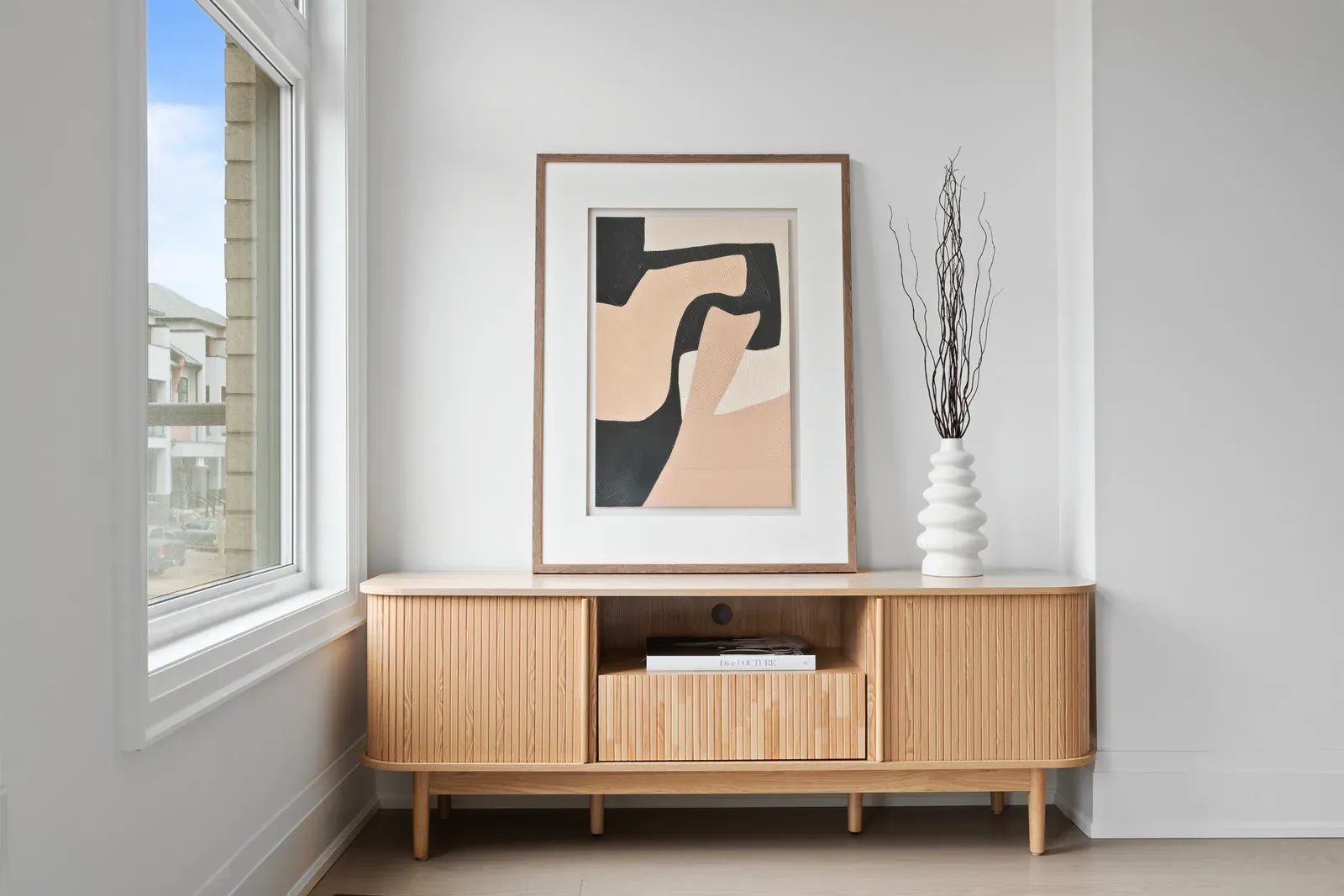
Selling a property in Toronto demands more than listing it online and waiting for offers. Many sellers now turn to a staging company Toronto to position their homes for stronger buyer response and faster results.
Toronto’s housing landscape rewards presentation. Buyers move quickly, judge instantly, and often decide emotionally before logic steps in. The contrast between an empty home and a staged one creates a measurable shift in perception, engagement, and final sale outcomes.
First Impressions Shape Buyer Behavior
An empty home feels larger at first glance, but it rarely feels inviting. Without furniture, textures, or visual anchors, rooms lack purpose. Buyers walk through quickly because nothing holds their attention.
A staged home tells a story. It frames each room with intent. A living room becomes a place for connection. A bedroom signals rest. A dining space suggests gatherings and lifestyle.
Buyers rarely say, “This room is 12 by 14 feet.”
They say, “I can see myself living here.”
That emotional response drives offers.
Visual Perception: Empty vs Staged
Human perception relies heavily on context. Without it, even a well-designed space can appear cold or confusing.
Empty Home Challenges
- Rooms feel smaller despite actual size
- The layout becomes harder to interpret
- Echo and emptiness create discomfort
- Minor flaws stand out more clearly
- Buyers struggle to visualize furniture placement
Staged Home Advantages
- Clear room purpose improves understanding
- Furniture defines scale and proportion
- Decor softens architectural harshness
- Lighting enhances warmth and depth
- Buyers connect emotionally with the space
A staged environment reduces uncertainty. Buyers spend more time inside and mentally “move in” before they leave.
Time on Market: A Measurable Difference
Time plays a critical role in Toronto’s real estate cycle. A listing that lingers raises questions. Buyers assume issues with pricing, condition, or desirability.
Empty homes often stay on the market longer because they fail to create urgency.
Staged homes, by contrast, tend to generate immediate interest. They photograph better, attract more showings, and encourage faster decision-making.
Typical Market Patterns
- Empty homes: Longer listing duration, more price adjustments
- Staged homes: Shorter selling time, fewer reductions
Buyers act faster when a home feels “complete.”
Pricing Power and Perceived Value
Perception directly influences value. Two identical properties can produce different sale prices based on presentation alone.
An empty property often invites negotiation. Buyers feel less emotional attachment, which lowers their willingness to stretch financially.
A staged home builds perceived value. It reduces hesitation and creates competition.
Key Pricing Impacts
- Staged homes often attract multiple offers
- Buyers perceive higher worth due to presentation
- Sellers gain a stronger negotiation position
- Emotional connection drives premium bids
Staging doesn’t change the structure. It changes the way buyers interpret the structure.
Photography and Online Engagement
Most buyers begin their search online. Images decide whether they schedule a visit or scroll past.
Empty homes rarely perform well in digital listings. Blank rooms fail to capture attention, especially when compared side by side with furnished spaces.
Staged homes dominate visually. They create contrast, depth, and lifestyle cues that translate into higher engagement.
Why Staged Listings Perform Better?
- Balanced composition in photos
- Better lighting and color harmony
- Clear focal points in each room
- Increased click-through rates
- More saved listings and inquiries
Online performance directly affects foot traffic, which influences offers.
Emotional Psychology in Buying Decisions
Real estate decisions rely heavily on emotion. Buyers justify their choices logically, but emotion drives the initial attraction.
Empty homes create distance. Buyers must work harder to imagine possibilities.
Staged homes remove that effort. They present a ready-made vision.
Emotional Triggers Activated by Staging
- Comfort and belonging
- Lifestyle aspiration
- Warmth and familiarity
- Visual clarity and ease
- Confidence in the purchase
When buyers feel emotionally aligned with a property, they act decisively.
Cost vs Return: A Practical Comparison
Some sellers hesitate to invest in staging. They view it as an added expense rather than a strategic move.
The financial impact often tells a different story.
Empty Home Financial Risks
- Longer holding costs (mortgage, utilities, taxes)
- Increased likelihood of price reductions
- Lower final sale price
- Reduced buyer competition
Staged Home Financial Benefits
- Faster sales reduce carrying costs
- Stronger offers increase profit margin
- Higher buyer interest creates bidding pressure
- Fewer negotiations protect the asking price
Staging often pays for itself through improved sale outcomes.
Buyer Demographics in Toronto
Toronto attracts a diverse buyer pool, including young professionals, families, and investors. Each group values efficiency and clarity.
Busy buyers don’t want to imagine possibilities. They want to see them instantly.
Staging aligns with this mindset. It simplifies decision-making and shortens the evaluation process.
What Toronto Buyers Expect?
- Move-in-ready presentation
- Modern, clean design
- Functional layout clarity
- Visual appeal for social sharing
- Minimal effort to picture ownership
An empty home forces interpretation. A staged home delivers answers.
Neighborhood Competition Matters
Toronto neighborhoods often feature similar property types. Buyers compare multiple listings within the same area.
In this environment, presentation becomes a competitive edge.
When Competing Listings Exist
- Empty homes blend into the background
- Staged homes stand out instantly
- Buyers prioritize visually appealing options
- Agents promote staged properties more actively
A staged home doesn’t just compete—it leads.
Impact on Open Houses and Showings
Open houses create opportunities for emotional engagement. The atmosphere influences how long buyers stay and how they feel.
Empty homes feel transactional. Buyers walk through quickly and leave without forming a connection.
Staged homes encourage exploration. Visitors linger, discuss, and imagine living there.
Differences During Showings
- Empty homes: Short visits, limited interaction
- Staged homes: Longer stays, deeper engagement
Time spent inside a property increases the likelihood of an offer.
Design Strategy Behind Staging
Effective staging doesn’t rely on random furniture placement. It follows a structured approach that aligns with buyer psychology and market expectations.
Core Staging Principles
- Neutral color palettes to appeal broadly
- Strategic furniture placement for flow
- Minimal decor to avoid distraction
- Emphasis on natural light
- Highlighting key architectural features
Each decision aims to enhance clarity and desirability.
Common Misconceptions About Empty Homes
Some sellers believe empty homes offer advantages. While a few benefits exist, they rarely outweigh the drawbacks.
Misconception vs Reality
- “Empty homes look bigger.”
→ They often feel smaller without a scale reference - “Buyers prefer blank spaces.”
→ Buyers prefer spaces they can connect with emotionally - “Staging hides flaws.”
→ It highlights strengths rather than concealing issues - “Staging costs too much.”
→ It often increases overall profit
Understanding these points shifts the perspective from cost to value.
Investor Perspective
Investors approach property differently from end-users, but presentation still matters.
A staged property signals care, quality, and readiness. It reduces perceived risk and increases confidence in the investment.
Investor Considerations
- Faster resale potential
- Rental appeal
- Market positioning
- Condition perception
Even data-driven buyers respond to visual presentation.
Seasonal Influence in Toronto
Toronto’s market fluctuates with the seasons. Weather and daylight impact buyer mood and activity.
Staging adapts to these changes. It enhances brightness during darker months and creates a fresh, airy feel during warmer periods.
Empty homes struggle in low-light conditions. They appear colder and less inviting.
Staged homes maintain consistency across seasons.
Seller Strategy in a Competitive Market
Sellers must approach the Toronto market with intention. Pricing alone doesn’t guarantee success.
Presentation plays a defining role.
Effective Selling Approach
- Combine accurate pricing with a strong presentation
- Focus on buyer psychology
- Invest in visual appeal
- Prioritize first impressions
- Create a memorable experience
Staging aligns all these elements into one cohesive strategy.
Conclusion
The Toronto market rewards properties that connect instantly with buyers. Empty homes rely on imagination, while staged homes deliver clarity.
That difference shapes buyer behavior, influences pricing, and determines how quickly a property sells.
Sellers who treat presentation as a strategic tool—not an optional step—position themselves for stronger outcomes.