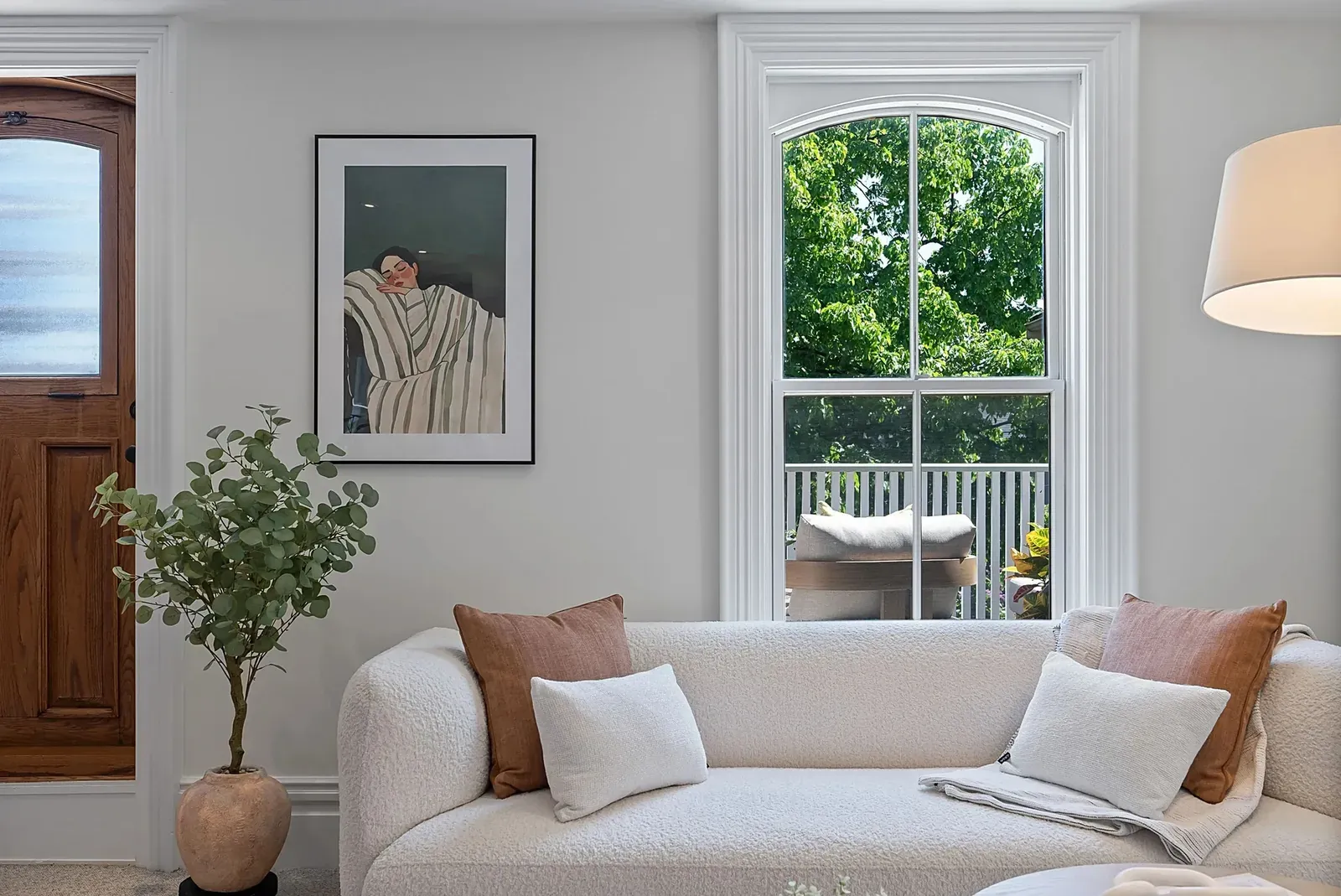
Interior styling has many branches, but two of the most commonly mixed-up disciplines are interior design and home staging. Both improve a space, both use creativity, and both rely on a trained eye—but their purpose, workflow, priorities, and mindset differ in major ways. Anyone aiming to hire the best staging company or collaborate with an interior designer needs clarity on these differences to make the right choice for their space.
Interior Design: Building a Space Around the People Who Live There
Interior design focuses on how an environment supports the lives, routines, emotions, and preferences of the people who use it. The work revolves around personalization, comfort, longevity, and function.
A designer evaluates how the inhabitants will move, sit, work, rest, store their belongings, cook, gather, and spend time. The goal is to shape a space that mirrors the personality and lifestyle of the homeowner rather than appeal to a broad audience.
What Defines Interior Design?
Interior design blends aesthetics with practicality. It requires analyzing multiple layers of a home’s structure, feel, and purpose. Several core elements shape this discipline:
-
Space planning and traffic flow
-
Material, texture, and fabric selection
-
Lighting upgrades and fixture planning
-
Custom cabinetry and built-in concept creation
-
Color profiles matched to mood and preference
-
Furniture layouts designed for long-term comfort
-
Functionality based on how the homeowner actually lives
-
Long-term investment-driven selections
Interior design reshapes a house into a personalized haven. Its timeline is often months long, and its impact lasts for decades.
Interior Design Is Personal, Detailed, and Long-Term
Everything chosen—from flooring to accent chairs—reflects the homeowner’s identity. A designer may integrate heirloom pieces, special art, handmade items, bold colors, unconventional layouts, or custom furnishings. Nothing is selected with resale in mind; everything is selected for everyday enjoyment.
Interior designers collaborate heavily with contractors, architects, and vendors. Their work may involve plumbing, electrical changes, zoning considerations, fabric durability assessments, and materials engineered for long-term use.
Home Staging: Shaping a Space for Market Appeal and Speedy Offers?
Home staging has a completely different purpose: highlighting the strengths of a property to attract the highest number of qualified buyers.
The focus shifts away from personalization. Instead, staging creates a neutral, appealing, market-ready environment that allows buyers to picture themselves living there.
The best staging company views the property through the eyes of a potential buyer, not the current owner.
What Defines Home Staging?
Home staging is built around strategy and psychology—specifically buyer psychology. The goal is to create a first impression that emotionally connects with visitors within seconds.
Key factors include:
-
Neutral color palettes
-
Universal furniture arrangements
-
Accessories used sparingly to suggest lifestyle without overwhelming the senses
-
Removal of personal belongings
-
Enhancement of architectural features
-
Illusion of expanded space and brightness
-
Strategic use of textures and natural elements
-
Quick turnaround timelines
Staging often needs to be executed within deadlines aligned with real estate listings, showings, and open houses. A home stager’s inventory must also adapt to different home styles, sizes, and neighborhood expectations.
Home Staging Is About Selling a Feeling Quickly
The goal is not long-term comfort; it’s market attraction. A stager focuses on:
-
Creating a move-in-ready impression
-
Making the home appear larger, lighter, and more inviting
-
Designing layouts that photograph exceptionally well
-
Highlighting features buyers value most
-
Downplaying property imperfections
The outcome is a clean, fresh, modern presentation that helps the listing stand out among competition. The approach is temporary but extremely influential in driving faster and stronger offers.
The Core Difference: One Serves the Resident, the Other Serves the Buyer
Although both improve a space, interior design and home staging diverge at the foundational level.
Purpose
-
Interior Design: Enhances daily living for the homeowner.
-
Home Staging: Enhances visual appeal and market impact for buyers.
Audience
-
Interior Design: Specific people with unique needs.
-
Home Staging: A broad set of potential buyers with varied tastes.
Longevity
-
Interior Design: Long-term, durable, lifestyle-focused.
-
Home Staging: Short-term, photography-focused, resale-driven.
Customization Level
-
Interior Design: Highly personal.
-
Home Staging: Highly neutral.
Budget Goals
-
Interior Design: Investment in comfort and long-term use.
-
Home Staging: Investment in boosting perceived home value and salability.
Why the Best Staging Company Approach Differs at Every Step?
Hiring the best staging company results in a process that feels entirely different from working with an interior designer. Their goals, methods, timelines, and inventory systems operate under different priorities.
1. Stagers Are Market Strategists First
They study:
-
Local buyer expectations
-
Neighborhood competition
-
Current design trends buyers show preference for
-
Architectural features that determine which furniture style suits the home
-
Pricing psychology and visual cues that attract higher offers
Interior designers don’t evaluate these metrics because their work centers on homeowner preference, not market behavior.
2. Stagers Select Furnishings for Appeal, Not Longevity
A staging setup may include:
-
Lightweight but stylish sofas
-
Neutral artwork
-
Minimal accent furniture
-
Clean-lined tables
-
Natural fibers or faux botanicals
-
Simplified textures
These pieces must look elegant but be flexible for repeated use across multiple homes. Designers, on the other hand, choose materials meant to withstand years of daily wear.
3. Staging Creates Emotional Cues Without Overshadowing the Home
The best staging company uses subtlety to spark imagination rather than overwhelm it. Instead of bold, personalized décor, staging uses cues that hint at a comfortable lifestyle.
Common examples include:
-
A coffee tray with two mugs signaling a cozy morning
-
Soft throws that suggest relaxation
-
A vase of fresh greenery implying cared-for interiors
-
Simple place settings that suggest hospitality
These touches create warmth without distracting from the architecture, flooring, layout, or natural light.
4. Fast Execution Is a Core Competency
A staged home often needs to be market-ready within days. Stagers:
-
Bring a dedicated inventory
-
Work with streamlined systems
-
Manage logistics for delivery, setup, and removal
-
Coordinate with photographers and agents
-
Adapt quickly to homes of different sizes, shapes, and conditions
Interior designers typically work on longer, multi-phase transformations requiring detailed planning and contractor coordination.
The Homeowner’s Role Changes Depending on the Service
When Working With an Interior Designer
Homeowners are actively involved. They participate in:
-
Style development
-
Finish selection
-
Review of mood boards or fabric samples
-
Layout approvals
-
Investment decisions
Their opinions drive the vision from start to finish.
When Working With a Home Stager
Homeowners step back. The space must look like a product, not a personal residence. Stagers often recommend:
-
Decluttering
-
Removing oversized or dated furniture
-
Packing away personal items
-
Repainting bold walls
-
Temporary storage for certain belongings
The homeowner’s attachment to the current style takes a backseat to what buyers want.
The Skill Sets Are Related but Not Identical
Both fields require creativity, knowledge of color and space, and an eye for detail. However, they draw from different skill sets.
Interior Designers Often Specialize In:
-
Material science
-
Custom fabrication
-
Lighting design
-
Ergonomics
-
Architectural flow
-
Contractor coordination
-
Color psychology for long-term comfort
-
Style cohesion for personal expression
Home Stagers Often Specialize In:
-
Buyer psychology
-
Real estate market patterns
-
Furniture layout that maximizes space visually
-
Photographic appeal
-
Quick-turn project management
-
Versatile design inventory use
-
Neutral design that fits many tastes
Both roles demand talent, but they solve entirely different problems.
Which One Should a Person Choose?
The choice depends entirely on the goal. Here is a clear comparison to simplify the decision:
Choose Interior Design If:
-
You plan to live in the home long-term.
-
Comfort, personalization, and daily function matter most.
-
You want custom-made elements.
-
You want a space that reflects your identity.
-
You are open to extended timelines.
Choose Home Staging If:
-
Your priority is attracting motivated buyers.
-
You want a faster, stronger offer.
-
You need a neutral, attractive presentation.
-
You want the space to look great in photos.
-
You want strategies used by the best staging company to position your home competitively.
Why the Best Staging Company Approach Helps Homes Sell Faster?
A home is a product once it hits the market. The best staging company knows how to present that product with precision.
They specialize in:
-
Positioning furniture to maximize perceived square footage
-
Using neutrals that appeal to a wide audience
-
Highlighting natural light sources
-
Minimizing visual clutter
-
Addressing awkward or small spaces with functional setups
-
Balancing aesthetics with real estate strategy
This combination explains why staged homes often attract higher-quality offers in shorter timeframes.
How Interior Designers and Home Stagers Complement Each Other?
Even though their missions are different, these professions can work hand-in-hand.
A designer may refresh a lived-in home before a seller calls in a stager. A stager may prepare a property for sale, and the new homeowner may then hire a designer to personalize the space. They serve different phases of a home’s lifespan:
-
Staging helps a home leave the seller’s life.
-
Design helps a home enter the buyer’s life.
Both elevate the property, just for different moments in time.
Conclusion
Interior design and home staging share creativity, aesthetic skill, and a passion for enhancing spaces. But the motivation behind each one couldn’t be more different.
Interior design is built around comfort, personalization, and long-term living.
Home staging is built around market appeal, speed, and first impressions.
Anyone looking to transform a space—either to live in or to sell—must decide which path matches their goal. And when the objective is to make a listing irresistible, choosing strategies used by the best staging company becomes a powerful game-changer.