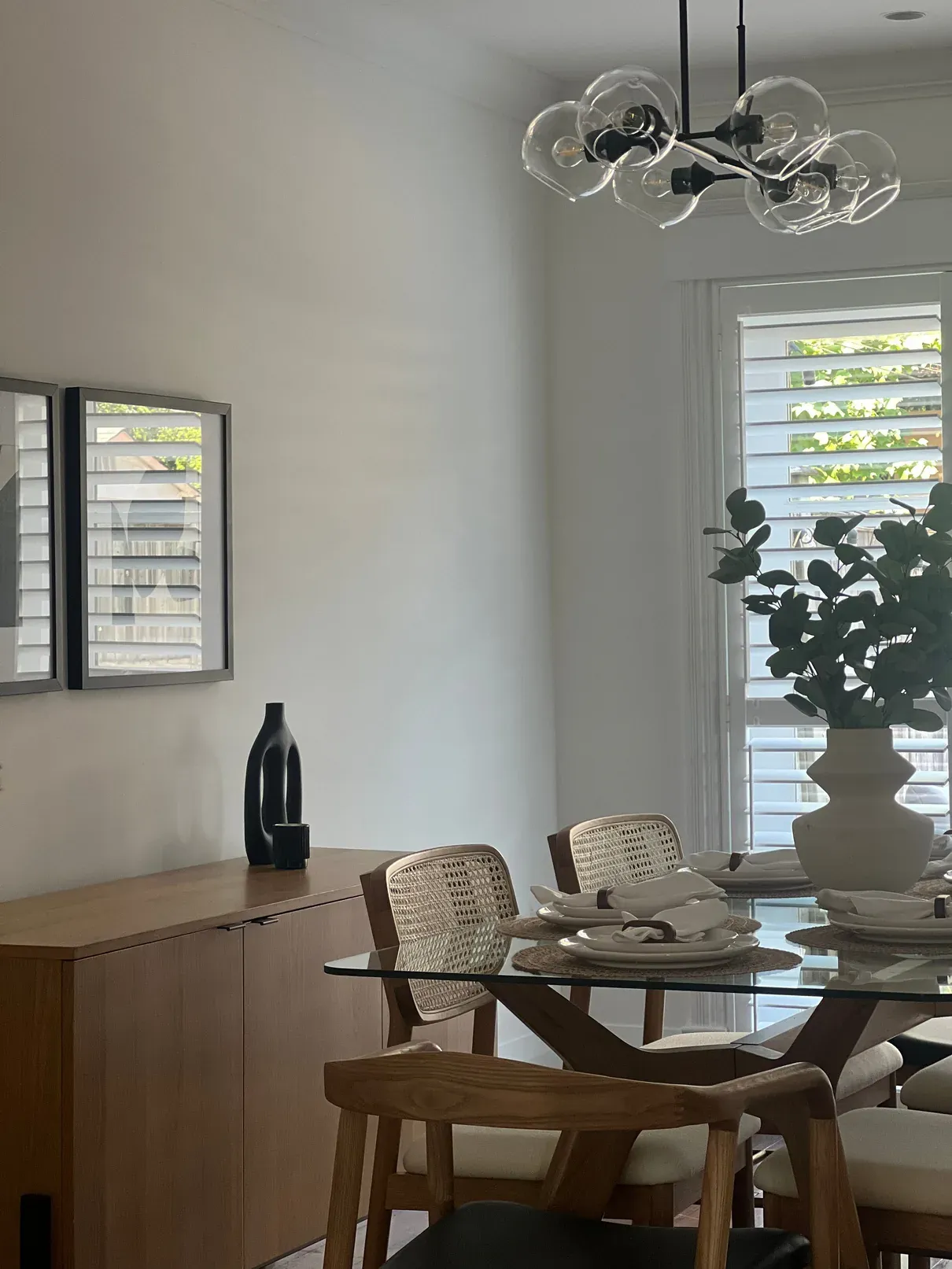
Condo staging transforms ordinary interiors into visually appealing spaces that attract stronger buyer attention. A well-staged condo highlights functionality, improves flow, and creates an emotional connection during property viewings. Moreover, staging helps buyers focus on the lifestyle a space offers instead of its limitations. Clean layouts, balanced décor, and strategic design choices often influence purchasing decisions quickly. As a result, staged condos frequently stand out in crowded real estate markets and generate stronger perceived value among potential buyers searching for stylish urban living spaces.
Why First Impressions Matter in Condo Sales
Buyers often form opinions within moments of entering a condo. Consequently, presentation plays a direct role in shaping emotional reactions and purchase interest. A cluttered or poorly arranged unit can make even attractive properties feel smaller and less inviting.
Staging creates a polished atmosphere immediately. Thoughtfully placed furniture, clean surfaces, and balanced lighting encourage buyers to focus on the condo’s strengths. Moreover, a visually organized environment creates comfort and confidence during showings.
Modern buyers also rely heavily on online listings before scheduling property visits. Therefore, professionally staged condos perform better in photographs and capture attention more effectively across digital platforms.
Emotional Appeal Influences Buyer Decisions
Many purchasing decisions involve emotion rather than logic alone. Buyers want to picture themselves relaxing, entertaining guests, or enjoying daily life inside the property.
Staging creates that emotional connection by presenting a lifestyle instead of a space. Consequently, buyers feel more attached to the condo and are more likely to submit competitive offers.
Soft textures, tasteful décor, and functional layouts contribute strongly to emotional appeal. In contrast, vacant units often feel cold and difficult to interpret visually.
How Staging Enhances Perceived Space
Limited square footage remains one of the biggest concerns for condo buyers. However, strategic staging changes spatial perception significantly and creates a more open atmosphere.
Furniture Placement Improves Flow
Poorly arranged furniture disrupts movement and makes interiors appear cramped. Therefore, staging focuses carefully on proportion, spacing, and accessibility.
Slim-profile furniture with exposed legs creates openness while maintaining functionality. Moreover, balanced layouts improve traffic flow and help buyers move comfortably through each room.
Strategic furniture placement also defines individual zones clearly. Living areas, dining spaces, and workstations feel intentional rather than crowded together.
Decluttering Creates Visual Balance
Clutter instantly reduces visual comfort inside compact condos. Excess furniture, personal belongings, and unnecessary accessories make rooms feel chaotic and restrictive.
Staging removes distractions and creates breathing room throughout the property. Consequently, buyers focus more easily on architectural details, storage capacity, and overall design potential.
Minimal styling also creates sophistication. Carefully edited interiors often feel more luxurious because simplicity promotes calmness and elegance.
Staging Helps Buyers Visualize Functionality
Many buyers struggle to interpret empty spaces accurately. Without furniture or layout direction, rooms may appear smaller or impractical.
Staging solves this issue by demonstrating how each area functions effectively. A furnished bedroom shows sleeping arrangements clearly, while a staged dining area highlights entertaining possibilities.
Moreover, staging helps define awkward layouts. Compact corners, narrow hallways, or open-concept designs feel more purposeful when arranged strategically.
Functional Design Encourages Confidence
Buyers prefer condos that appear efficient and organized. Therefore, staging emphasizes usability alongside aesthetics.
Examples of functional staging include:
- Compact workstations for remote professionals
- Multipurpose furniture with hidden storage
- Dining setups for small gatherings
- Organized entryways with storage benches
- Bedroom layouts that maximize walking space
Consequently, buyers perceive the condo as practical, comfortable, and adaptable to modern living needs.
The Financial Value of Condo Staging
Some sellers hesitate to invest in staging because they focus only on upfront costs. However, staging often supports stronger financial outcomes during the selling process.
Faster Sales Reduce Carrying Costs
Properties that remain unsold for long periods often generate additional expenses. Mortgage payments, maintenance fees, taxes, and utility costs continue accumulating while the condo sits on the market.
Staging can shorten listing periods by increasing buyer interest early. Consequently, sellers may reduce holding expenses and avoid repeated price reductions.
Quick sales also create momentum within competitive real estate environments. Buyers often react more positively to fresh listings with a strong presentation.
Higher Perceived Value Supports Better Offers
Presentation strongly influences how buyers evaluate property value. A staged condo feels polished, maintained, and move-in ready.
Consequently, buyers frequently justify stronger offers because the property appears more desirable. In contrast, vacant or cluttered condos may seem neglected even when structurally sound.
Professional staging also minimizes attention toward imperfections. Carefully arranged furniture and décor redirect focus toward positive design elements instead.
Photography Benefits From Professional Staging
Online marketing drives a significant portion of buyer activity. Therefore, listing photographs carries enormous influence during the early stages of property searches.
Well-Staged Photos Capture Attention
Bright, balanced interiors photograph more effectively than empty rooms. Staging creates dimension, warmth, and visual structure that improve image quality immediately.
Moreover, professionally styled condos stand out while buyers scroll through crowded property listings. Strong photography increases click-through rates and encourages more viewing requests.
Well-composed images also create emotional appeal before buyers visit the property physically. Consequently, staging supports stronger first impressions across digital marketing channels.
Lighting Enhances Online Presentation
Natural and layered lighting improves both photography and in-person experiences. Therefore, staging often includes adjustments that maximize brightness throughout the condo.
Sheer curtains, reflective surfaces, and strategically placed lamps create warmth and openness. In contrast, dark interiors can appear smaller and less welcoming online.
Balanced lighting also highlights textures, finishes, and architectural features more effectively within listing photographs.
Staging Builds Competitive Advantage
Condo markets often contain multiple similar listings within the same building or neighborhood. Consequently, presentation becomes a major differentiating factor.
A staged condo creates a stronger visual impact than vacant or poorly maintained competitors. Buyers often remember polished spaces more clearly after attending several property showings.
Luxury Appeal Increases Market Interest
Luxury does not depend entirely on square footage or expensive materials. Instead, luxury comes from comfort, organization, and visual harmony.
Staging creates refined environments through coordinated décor, balanced color palettes, and thoughtful layouts. Consequently, even modest condos can feel sophisticated and inviting.
This elevated presentation attracts wider buyer interest and supports stronger engagement during open houses and private showings.
Professional Styling Creates Market Confidence
Buyers frequently associate staged properties with quality maintenance and attentive ownership. As a result, they often feel more confident about the condo’s overall condition.
Confidence matters during purchasing decisions because uncertainty can delay offers or encourage lower negotiations. Staging helps reduce hesitation by presenting the property as polished and well cared for.
Color and Lighting Influence Buyer Perception
Color and lighting shape mood immediately within interior spaces. Therefore, staging professionals use these elements strategically to improve condo presentation.
Neutral Colors Create Broad Appeal
Soft neutral tones help buyers focus on space rather than personal design preferences. Shades such as warm white, beige, soft gray, and muted taupe create calmness and openness.
Moreover, neutral palettes reflect natural light effectively and support visual continuity throughout compact interiors. Consequently, condos feel larger and more cohesive.
Subtle accent colors add depth without overwhelming the space. Carefully selected textures and decorative elements also prevent neutral interiors from appearing flat.
Layered Lighting Improves Atmosphere
Lighting affects comfort, warmth, and perceived room size. Therefore, staging combines multiple lighting sources instead of relying solely on ceiling fixtures.
Effective lighting strategies include:
- Floor lamps for softness
- Table lamps for warmth
- Pendant fixtures for definition
- Under-cabinet lighting for kitchens
- Mirrors that reflect natural brightness
Consequently, staged condos feel welcoming and visually balanced during both daytime and evening showings.
Storage Presentation Adds Practical Value
Storage remains a major priority for condo buyers, especially within compact urban properties. Therefore, staging emphasizes organization and efficient space usage carefully.
Organized Storage Creates Buyer Confidence
Messy closets and overcrowded cabinets suggest limited functionality. In contrast, clean storage areas create a sense of order and spaciousness.
Staging often includes coordinated baskets, neatly folded linens, and partially open shelving. Consequently, buyers perceive the condo as practical and well planned.
Even small storage improvements can influence buyer impressions positively. Organized interiors reduce stress and create a more luxurious atmosphere.
Hidden Storage Enhances Visual Cleanliness
Multipurpose furniture contributes significantly to staged condo efficiency. Storage benches, ottomans, and under-bed compartments help maintain uncluttered interiors.
Moreover, concealed storage solutions support modern urban lifestyles where maximizing space remains essential. Buyers appreciate functionality that does not sacrifice visual appeal.
Open-Concept Condos Benefit From Defined Zones
Many modern condos feature open layouts that combine several functions within one space. Without proper staging, these layouts can appear confusing or unbalanced.
Defined Areas Improve Flow
Area rugs, furniture placement, and lighting fixtures help separate living, dining, and workspace zones clearly.
Consequently, buyers interpret the condo as organized and functional rather than cramped or undefined. Clear zones also improve visual structure and movement throughout the property.
Subtle separation works best because it maintains openness while still establishing purpose for each section.
Consistent Styling Creates Cohesion
Open-concept condos require visual consistency to feel harmonious. Therefore, staging uses coordinated colors, textures, and finishes throughout connected spaces.
Matching design elements creates flow without monotony. Moreover, cohesive interiors appear larger because the eye moves naturally between rooms without interruption.
Balanced styling also strengthens luxury perception and supports a polished presentation overall.
Condo Staging Supports Modern Buyer Expectations
Modern buyers often expect move-in-ready properties with an attractive presentation. Consequently, staging aligns closely with evolving market preferences.
A polished condo suggests convenience and reduced effort after purchase. Buyers appreciate spaces that already feel comfortable, organized, and visually appealing.
Many sellers choose a staging company in Toronto because urban buyers frequently compare multiple listings quickly. Professional presentation helps properties stand out within highly competitive condominium markets.
Lifestyle Presentation Influences Urban Buyers
Urban condo buyers often prioritize lifestyle alongside location. Therefore, staging highlights comfort, efficiency, and functionality throughout the property.
Examples include:
- Cozy reading corners
- Stylish dining setups
- Elegant bedroom arrangements
- Compact home office areas
- Inviting living room layouts
These details create stronger emotional engagement and encourage buyers to picture themselves living comfortably inside the condo.
Mistakes That Reduce Staging Effectiveness
Effective staging requires balance and restraint. Certain choices can weaken presentation and reduce buyer interest significantly.
Common Condo Staging Errors
The following mistakes often diminish visual appeal:
- Oversized furniture in small rooms
- Excess decorative accessories
- Dark curtains blocking natural light
- Strong personal style choices
- Cluttered kitchen countertops
- Poor lighting placement
- Uncoordinated furniture finishes
- Neglected maintenance issues
- Empty corners lacking balance
- Rugs that feel disproportionate
Moreover, inconsistent styling between rooms can make interiors feel disconnected and visually confusing.
Overstaging Creates Discomfort
Too much décor can overwhelm buyers and distract attention from the condo itself. Therefore, staging should feel intentional rather than excessive.
Balanced interiors create calmness, while overcrowded designs increase visual stress. Consequently, restrained styling usually produces stronger buyer reactions and supports broader appeal.
Conclusion
Condo staging delivers value by improving presentation, increasing buyer interest, and strengthening emotional connection during property showings. Thoughtful layouts, organized storage, refined décor, and balanced lighting transform ordinary interiors into attractive living spaces. Moreover, staging supports stronger online marketing performance and helps condos compete more effectively within crowded real estate markets. Buyers respond positively to polished environments that feel functional, spacious, and welcoming. Consequently, staging often justifies its cost through faster sales, improved perceived value, and stronger overall market appeal.
FAQs
1. Why should condo sellers invest in staging?
Staging improves presentation, enhances buyer perception, and creates emotional appeal during property showings. Consequently, staged condos often attract stronger interest and sell faster than vacant or cluttered properties. Thoughtful styling also highlights functionality and maximizes perceived value, which can support better offers from potential buyers.
2. Does condo staging really help properties sell faster?
Yes, staged condos often generate more buyer attention because they appear organized, polished, and move-in ready. Attractive presentation improves online engagement and strengthens first impressions during showings. Consequently, buyers feel more connected to the property and may act more quickly within competitive real estate markets.
3. How does staging affect condo photography?
Staging improves photography by adding warmth, structure, and visual balance to interiors. Furnished spaces photograph better because they create depth and help buyers interpret room dimensions accurately. Moreover, bright and organized listings attract more online interest, which can increase viewing requests significantly.
4. What colors work best for staged condos?
Neutral shades such as soft white, beige, taupe, and light gray work best because they create openness and broad buyer appeal. These tones reflect natural light effectively and support visual continuity throughout compact interiors. Subtle accent colors can add sophistication without overwhelming smaller living spaces.
5. Can staging make a small condo look larger?
Yes, proper staging changes spatial perception effectively. Strategic furniture placement, decluttering, and balanced lighting create openness throughout compact condos. Moreover, slim-profile furniture and organized layouts improve flow and reduce visual congestion. Consequently, buyers often perceive staged condos as larger and more functional than they actually are.
6. Is vacant condo staging necessary?
Vacant condos can feel cold, empty, and difficult for buyers to interpret visually. Staging adds warmth and demonstrates how rooms function within the available space. Consequently, buyers connect emotionally with furnished properties more easily and feel more confident about layout possibilities and daily living comfort.
7. How important is lighting in condo staging?
Lighting strongly influences mood, comfort, and visual spaciousness. Layered lighting creates warmth and highlights important design features throughout the condo. Moreover, brighter interiors photograph better and feel more welcoming during showings. Balanced lighting also reduces shadows that can make compact spaces appear smaller or less inviting.
8. What rooms should sellers prioritize during staging?
Living rooms, kitchens, bedrooms, and dining areas deserve the most attention because buyers focus heavily on these spaces. Entryways and bathrooms also influence overall impressions significantly. Consequently, staging should prioritize areas that shape comfort, functionality, and emotional appeal throughout the property.
9. Can staging increase condo value?
Staging does not change the physical structure, but it often increases perceived value among buyers. Polished presentation creates stronger emotional reactions and highlights the condo’s best features effectively. Consequently, staged properties may receive stronger offers and experience fewer price reductions during the selling process.
10. What is the biggest mistake sellers make before staging?
One of the biggest mistakes involves leaving clutter and personal belongings throughout the condo. Excess items reduce visual space and distract buyers from the property itself. Moreover, poor organization weakens luxury perception and limits emotional connection, which can negatively affect buyer interest and overall presentation quality.