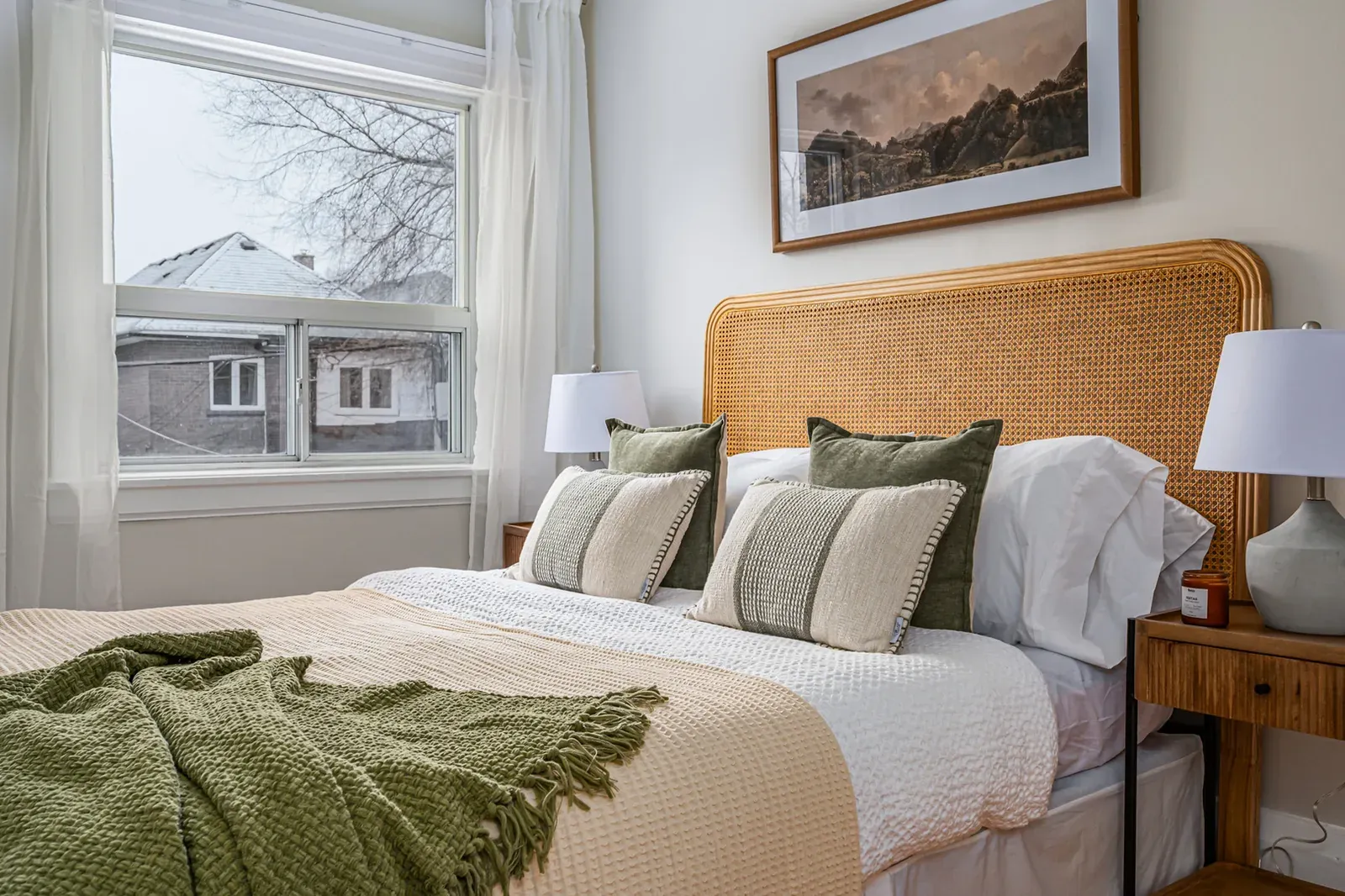
Property marketing depends on more than price and location. Visual presentation shapes buyer perception before a conversation even begins. A staged home creates an inviting atmosphere that highlights layout, functionality, and comfort, while an unstaged property may leave buyers struggling to imagine its potential. Moreover, thoughtful presentation strengthens marketing materials across multiple platforms and creates lasting impressions during showings. When every room reflects balance and purpose, marketing efforts become more effective and generate stronger engagement from prospective buyers.
Why Does Presentation Shape Real Estate Marketing?
Marketing aims to capture attention and create interest. Therefore, presentation plays a critical role in how buyers respond to a property.
An organized and attractive interior immediately communicates value. Consequently, buyers often spend more time reviewing listings and scheduling viewings when visuals create a positive emotional response.
Visual Appeal Creates Immediate Interest
First impressions happen quickly.
Key visual elements include:
- Bright interiors
- Neutral colors
- Organized furniture
- Clean surfaces
- Open layouts
- Coordinated décor
Together, these features increase marketing effectiveness by attracting broader buyer attention.
Poor Presentation Reduces Impact
Cluttered rooms, empty spaces, or outdated styling weaken marketing efforts.
However, staging transforms ordinary interiors into welcoming environments that encourage curiosity and engagement.
The Difference Between Staged and Unstaged Listings
Two similar properties may receive very different responses depending on presentation.
Staging provides visual context, while empty rooms often require buyers to imagine possibilities without assistance.
Staged Homes Tell a Story
Every room gains a clear purpose through thoughtful furniture placement and décor.
Examples include:
- Inviting living rooms
- Functional dining spaces
- Comfortable bedrooms
- Organized home offices
- Relaxing reading corners
Defined spaces help buyers connect emotionally with the property.
Unstaged Homes Leave Questions
Vacant or cluttered rooms create uncertainty.
Consequently, buyers may struggle to estimate room size or identify practical furniture arrangements.
Marketing Photography Benefits From Staging
Online images create the first opportunity to capture buyer attention.
Therefore, staging supports stronger photography that generates greater interest.
Balanced Interiors Photograph Better
Well-arranged rooms produce visually appealing images with natural flow and proportion.
Moreover, organized spaces allow architectural details to become focal points rather than distractions.
Prepare Every Room Before Photography
Before photographing a property:
- Open blinds
- Turn on the lighting
- Remove clutter
- Arrange furniture
- Straighten artwork
- Clean mirrors
- Organize shelves
- Refresh decorative accents
- Vacuum floors
- Clear countertops
Small details improve image quality significantly.
Buyer Psychology and Interior Presentation
Buying decisions involve emotion as well as logic.
Therefore, staging creates environments where buyers feel comfortable imagining future lifestyles.
Comfort Encourages Connection
Warm textures, layered lighting, and coordinated accessories create welcoming interiors.
Consequently, visitors remain engaged longer and evaluate spaces more positively.
Neutral Design Broadens Appeal
Neutral styling appeals to diverse preferences.
Soft color palettes and balanced décor allow buyers to picture their own belongings within the property.
How Staging Strengthens Digital Marketing
Digital platforms rely heavily on visual appeal.
Listings featuring attractive interiors often receive stronger engagement than those with empty or cluttered rooms.
More Attention Across Marketing Channels
Well-presented properties perform effectively through:
- Property websites
- Social media
- Email campaigns
- Digital advertisements
- Listing portals
- Print brochures
Strong visuals improve consistency across every marketing channel.
Higher Viewer Engagement
Visitors typically spend more time reviewing listings with attractive images.
Longer viewing time increases familiarity and strengthens interest before an in-person showing.
Creating Emotional Value Through Design
A staged property communicates warmth and possibility rather than simple square footage.
Thoughtful layouts encourage buyers to picture entertaining guests, relaxing after work, or enjoying family gatherings.
Lifestyle Marketing Creates Interest
Lifestyle presentation includes subtle details such as:
- Fresh flowers
- Reading spaces
- Elegant dining settings
- Decorative cushions
- Organized shelving
These additions make interiors feel authentic and inviting.
Organization Supports Buyer Confidence
Clean, organized rooms suggest careful maintenance.
Moreover, buyers often associate attractive presentation with overall property quality.
Comparing Buyer Reactions
Presentation influences behavior throughout a property visit.
Staged homes often encourage buyers to slow down and appreciate details, while unstaged properties may receive quicker walk-throughs.
Reasons Buyers Stay Longer in Staged Homes
Buyers often respond positively because staging provides:
- Clear room functions
- Better traffic flow
- Visual warmth
- Improved scale perception
- Enhanced lighting
- Stronger emotional connection
These factors contribute to a more memorable viewing experience.
Empty Rooms Feel Less Engaging
Without furniture or balanced décor, buyers may focus on imperfections instead of possibilities.
As a result, marketing efforts lose much of their emotional impact.
How Staging Supports Stronger Property Branding
Every property creates a brand image through its appearance. Therefore, staging helps establish a consistent visual identity that attracts attention across marketing materials and property showings.
Moreover, buyers often associate polished interiors with higher quality and better overall value.
Consistency Builds Recognition
Consistent styling strengthens every marketing image.
When photographs, videos, and showings reflect the same elegant presentation, buyers remember the property more easily while comparing multiple listings.
Visual Harmony Creates Appeal
Balanced interiors create a sense of order.
Matching colors, coordinated furniture, and carefully selected accessories produce a welcoming environment that feels complete without appearing excessive.
Staging Highlights Property Strengths
Every home offers unique features that deserve attention. Effective staging directs buyers toward those strengths while reducing focus on less attractive areas.
Consequently, marketing becomes more persuasive because the property’s best qualities remain visible throughout the viewing experience.
Architectural Features Become Focal Points
Staging emphasizes:
- Large windows
- High ceilings
- Open layouts
- Hardwood flooring
- Built-in shelving
- Balcony access
These details create memorable impressions that strengthen buyer interest.
Proper Furniture Improves Scale
Appropriately sized furniture helps buyers judge room dimensions accurately.
In contrast, oversized or missing furniture may distort perception and reduce confidence in the layout.
Better Marketing Through Emotional Connection
People often remember feelings more than measurements.
Therefore, staged interiors encourage emotional responses that strengthen the effectiveness of marketing efforts.
Comfort Encourages Positive Decisions
Warm lighting, soft textures, and inviting seating arrangements create spaces where buyers naturally feel relaxed.
As a result, visitors often spend additional time imagining daily life within the home.
Lifestyle Scenes Inspire Buyers
Simple styling ideas create meaningful impact.
- A breakfast setting
- A reading chair by a window
- Fresh greenery
- Decorative books
- Folded throws
- Elegant table décor
These subtle details make the property feel welcoming and lived in.
The Impact on In-Person Showings
Marketing continues after buyers enter the property.
A strong presentation reinforces the expectations created by listing photographs and promotional materials.
Clear Traffic Flow Improves Viewing Experience
Furniture placement should encourage natural movement between rooms.
Consequently, buyers appreciate space, layout, and functionality without feeling restricted by clutter.
Organization Creates Confidence
Neatly arranged interiors suggest responsible ownership.
Clean kitchens, spotless bathrooms, and organized storage areas reassure buyers that the property has received proper care.
Why Empty Homes Often Feel Less Inviting
Vacant properties may appear larger at first glance, yet they often lack warmth and perspective.
Without furniture, buyers may struggle to estimate room function or imagine comfortable living arrangements.
Scale Becomes Difficult to Judge
Furniture provides valuable reference points.
Living rooms, bedrooms, and dining spaces appear more practical when buyers can visualize everyday use.
Vacant Spaces Can Feel Cold
Empty rooms rarely create emotional attachment.
However, thoughtful staging softens interiors while preserving openness and flexibility.
Supporting Online and Offline Marketing Together
Effective marketing combines digital visibility with memorable in-person experiences.
Therefore, staging creates consistency across every buyer interaction.
Marketing Channels Benefit From Better Presentation
Strong staging improves performance across:
- Listing websites
- Printed brochures
- Video tours
- Open houses
- Social media campaigns
- Email promotions
Consistent visuals strengthen buyer recognition and recall.
Visual Quality Increases Sharing
Attractive listing images often encourage greater engagement and conversation among potential buyers, family members, and decision-makers involved in the purchasing process.
Avoiding Common Marketing Mistakes
Certain presentation errors reduce the effectiveness of even the strongest marketing strategy.
Fortunately, most issues can be corrected with thoughtful preparation.
Common mistakes include:
- Cluttered rooms
- Poor lighting
- Personal photographs
- Oversized furniture
- Dark curtains
- Empty shelves
- Untidy balconies
- Crowded countertops
- Mismatched décor
- Blocked windows
Eliminating these distractions allows buyers to focus on the property’s true value.
Balancing Style With Functionality
Effective staging combines attractive design with practical living solutions. Buyers appreciate interiors that feel elegant while remaining functional for everyday use.
Discussions about staging services in Toronto often highlight the importance of creating balanced spaces that support marketing goals without overwhelming buyers through excessive decoration or unrealistic styling choices.
Conclusion
Real estate marketing succeeds when presentation supports both emotional connection and practical evaluation. Staged properties communicate warmth, organization, and purpose while helping buyers appreciate layout and lifestyle possibilities. Moreover, strong visual presentation enhances photography, digital campaigns, and in-person showings, creating consistent impressions across every marketing channel. Compared with unstaged properties, thoughtfully staged homes often leave stronger memories that encourage buyers to return, reflect, and move forward with greater confidence.
FAQs
1. Why does staging improve real estate marketing?
Staging creates visually appealing interiors that attract buyer attention across online listings and in-person showings. Organized spaces and thoughtful décor strengthen emotional connections while highlighting the property’s best features.
2. How does staging influence online property listings?
Well-staged homes produce stronger photographs and videos that encourage buyers to spend more time viewing listings. Better visuals often generate greater interest and increase showing requests.
3. Why do empty homes receive different buyer reactions?
Vacant rooms may feel cold and difficult to visualize. Without furniture or defined spaces, buyers often struggle to judge room function, layout, and overall potential.
4. Can staging help properties stand out in competitive markets?
Yes. An attractive presentation separates a property from similar listings by creating memorable first impressions and encouraging buyers to engage more deeply with marketing materials and showings.
5. Which rooms benefit most from staging?
Living rooms, kitchens, bedrooms, bathrooms, dining areas, and entryways create the strongest impressions. Thoughtful staging in these spaces significantly improves the overall marketing presentation.
6. Does staging make rooms appear larger?
Strategic furniture placement and decluttering improve visual flow while creating a greater sense of openness. Buyers often perceive staged spaces as more functional and spacious.
7. How important is lighting in staged marketing?
Lighting enhances color, texture, and architectural details. Bright interiors appear more inviting in photographs and during showings, increasing buyer interest and engagement.
8. Why should sellers remove personal belongings?
Neutral spaces allow buyers to imagine their own lifestyle within the property. Removing personal items broadens appeal while reducing unnecessary distractions during viewings.
9. Can simple decorative changes improve marketing results?
Yes. Fresh flowers, organized shelving, coordinated cushions, and balanced accessories create polished interiors that strengthen marketing materials without requiring significant investment.
10. What makes staged marketing more memorable than unstaged marketing?
Staged marketing combines visual harmony, emotional appeal, and functional layouts into a cohesive presentation. Buyers often remember welcoming spaces more clearly than empty or cluttered interiors.