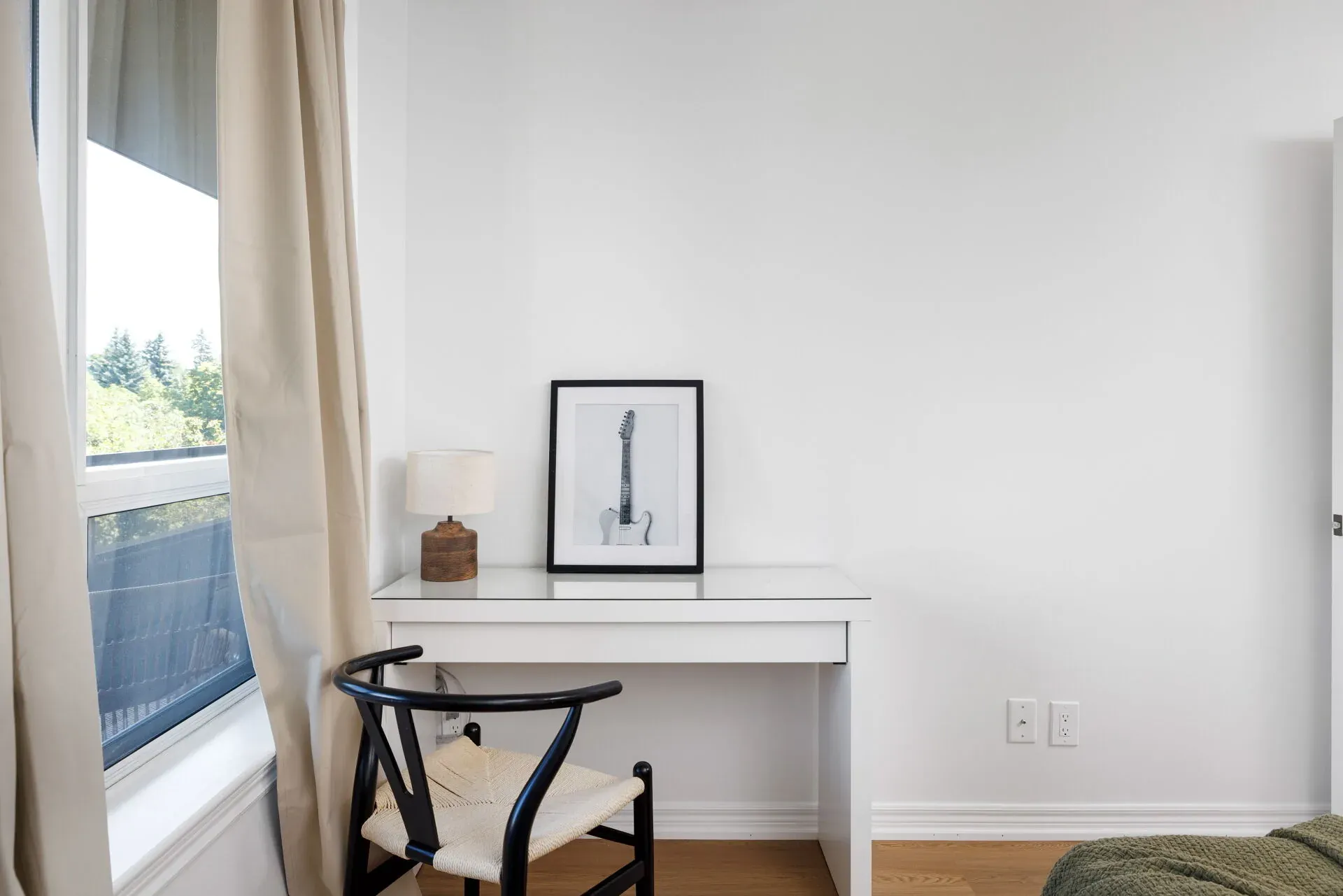
Condo presentation plays a major role in shaping buyer perception and property value. Design choices influence how spacious, functional, and inviting a condo feels during viewings. Modern condo staging focuses on simplicity, clean lines, and broad buyer appeal, whereas traditional decor emphasizes detail, warmth, and classic styling. Both approaches create distinct impressions, yet each serves different purposes within real estate marketing. Consequently, sellers often compare these styles carefully before preparing a condo for listing photographs, open houses, and competitive property showings.
What Defines Modern Condo Staging?
Modern condo staging focuses on clean layouts, balanced proportions, and minimal visual distractions. The approach highlights space, functionality, and openness rather than excessive decoration.
Neutral colors, streamlined furniture, and layered lighting define this style clearly. Moreover, modern staging emphasizes broad market appeal by creating interiors that feel fresh, calm, and adaptable to different lifestyles.
Most staged condos also feature restrained décor selections. Instead of filling rooms with accessories, modern staging uses carefully chosen elements that enhance visual flow without creating clutter.
Key Characteristics of Modern Condo Staging
Several design features shape modern staging strategies:
- Neutral color palettes
- Slim-profile furniture
- Open visual layouts
- Minimal decorative accessories
- Functional room arrangements
- Layered lighting concepts
- Natural textures and finishes
- Clean architectural emphasis
Consequently, buyers focus more easily on the condo itself rather than overly personalized design choices.
Why Modern Staging Appeals to Buyers
Modern staging creates simplicity and comfort. Buyers often appreciate interiors that feel organized, spacious, and move-in ready.
Moreover, minimal styling allows potential buyers to imagine their own furniture and lifestyle within the condo. In contrast, highly specific décor themes can limit emotional connection during showings.
Modern staging also photographs exceptionally well. Bright interiors, clean lines, and uncluttered layouts create stronger online listing performance across competitive real estate platforms.
What Defines Traditional Decor?
Traditional decor focuses on richness, detail, and timeless design elements. Unlike modern staging, traditional interiors emphasize decorative layering, ornate furnishings, and classic styling influences.
Warm wood tones, elegant fabrics, and decorative accessories contribute heavily to traditional spaces. Consequently, these interiors often feel formal, inviting, and visually textured.
Traditional design also incorporates symmetry frequently. Matching lamps, coordinated furniture sets, and framed artwork create structured visual balance throughout the home.
Common Features of Traditional Decor
Traditional interiors often include the following elements:
- Dark wood furniture
- Patterned fabrics
- Decorative molding details
- Ornate light fixtures
- Layered window treatments
- Rich accent colors
- Antique-inspired accessories
- Symmetrical furniture placement
These design choices create warmth and familiarity while emphasizing elegance and classic sophistication.
The Emotional Influence of Traditional Styling
Traditional décor often creates emotional comfort through layered textures and familiar aesthetics. Buyers who prefer timeless interiors may feel more connected to these environments.
However, traditional styling can also appear visually heavy inside compact condos. Consequently, some buyers may perceive smaller rooms as more crowded when excessive furniture or decorative accents dominate the space.
Balanced traditional styling works best when it maintains warmth without overwhelming room proportions.
Modern Staging Focuses on Space Optimization
Condo buyers frequently prioritize openness and functionality. Therefore, modern staging often performs better in smaller urban properties where efficient layouts matter significantly.
Minimalism Improves Visual Flow
Modern staging reduces visual congestion through careful editing. Furniture selections remain intentional, while decorative accents stay limited.
Consequently, buyers move through the condo more comfortably and perceive interiors as larger. Open walkways and simplified layouts also improve functionality during property showings.
Light-reflective surfaces strengthen spaciousness further. Glass tables, mirrors, and neutral walls create brightness that expands visual depth throughout the condo.
Functional Furniture Supports Urban Living
Modern staging emphasizes practicality alongside style. Multipurpose furniture pieces help buyers see how compact spaces can remain comfortable and efficient.
Examples include:
- Storage ottomans
- Foldable dining tables
- Compact office desks
- Streamlined shelving units
- Beds with concealed storage
Consequently, staged condos feel adaptable to contemporary urban lifestyles without sacrificing elegance.
Traditional Decor Prioritizes Warmth and Character
Traditional interiors often create stronger visual richness than modern spaces. Decorative layers, textured fabrics, and detailed furniture contribute to this welcoming atmosphere.
Classic Elements Create Timeless Appeal
Traditional decor rarely follows short-lived trends. Instead, it emphasizes established design principles that maintain long-term aesthetic value.
Elegant curtains, carved furniture, and warm finishes create a sense of permanence and refinement. Moreover, these elements often appeal to buyers seeking comfort rather than minimalist simplicity.
Traditional interiors can also highlight architectural details effectively. Crown molding, fireplaces, and wood finishes gain a stronger visual presence within classic design arrangements.
Heavier Styling Can Reduce Spaciousness
Despite its warmth, traditional décor may create limitations inside compact condos. Bulky furniture and layered accessories can reduce visual openness quickly.
Dark wood finishes also absorb light more heavily than modern neutral palettes. Consequently, rooms may appear smaller or less airy during showings and listing photography.
Balanced traditional styling requires restraint, especially within urban condominium layouts where square footage remains limited.
Color Choices Shape Buyer Perception
Color influences emotional reactions, spatial perception, and overall property presentation significantly. Therefore, staging and décor styles use color differently to create distinct atmospheres.
Modern Staging Uses Neutral Tones
Modern condo staging relies heavily on soft neutral palettes such as white, beige, gray, and muted taupe. These colors create brightness and support broad market appeal.
Moreover, neutral tones reflect natural light effectively and help interiors feel open. Buyers often perceive these spaces as cleaner and more adaptable to personal preferences.
Subtle accent colors provide contrast without overwhelming the condo. Consequently, the design remains visually balanced and sophisticated.
Traditional Decor Embraces Richer Colors
Traditional interiors frequently incorporate deeper shades such as burgundy, navy, forest green, and warm brown tones.
These colors create intimacy and visual depth. However, darker palettes may reduce brightness inside smaller condo units.
Traditional styling often pairs rich colors with decorative patterns and textured fabrics. While visually elegant, excessive layering can create heaviness if not balanced carefully.
Furniture Selection Creates Distinct Design Identities
Furniture shapes both functionality and aesthetic character within condo interiors. Consequently, modern and traditional approaches differ substantially in furniture selection.
Modern Furniture Prioritizes Simplicity
Modern staging favors sleek furniture with clean lines and exposed legs. These pieces maintain openness while improving traffic flow throughout the condo.
Lightweight silhouettes also prevent rooms from feeling overcrowded. Moreover, modern furniture often emphasizes comfort through simplicity rather than ornamentation.
Common modern furniture characteristics include:
- Straight edges
- Low-profile seating
- Minimal decorative detail
- Neutral upholstery
- Multifunctional design
These features support spaciousness and contemporary urban living effectively.
Traditional Furniture Adds Decorative Detail
Traditional furniture emphasizes craftsmanship and decorative styling. Tufted upholstery, carved wood details, and curved silhouettes create visual richness.
However, larger furniture dimensions can reduce flexibility inside compact condos. Consequently, staging professionals often limit traditional furniture quantities during property preparation.
Careful spacing becomes essential because oversized furniture disrupts movement and reduces visual openness quickly.
Lighting Strategies Differ Significantly
Lighting affects atmosphere, depth, and buyer comfort immediately. Both modern staging and traditional décor use lighting intentionally, yet each style approaches illumination differently.
Modern Staging Maximizes Brightness
Modern staging prioritizes natural light and layered illumination. Sheer curtains, reflective materials, and open layouts increase brightness throughout the condo.
Additionally, modern interiors frequently use recessed lighting, minimalist pendant fixtures, and simple table lamps for subtle elegance.
Balanced lighting creates warmth while maintaining clean visual lines. Consequently, modern staged condos often feel brighter and more spacious during showings.
Traditional Decor Uses Decorative Lighting
Traditional interiors frequently feature ornate chandeliers, detailed wall sconces, and decorative lampshades.
These fixtures create visual character and warmth. However, excessive decorative lighting may appear visually heavy within smaller condo layouts.
Traditional lighting works best when paired with balanced spacing and sufficient natural light exposure.
Storage Presentation Influences Functionality
Storage organization remains critical within condominium living. Therefore, staging strategies often prioritize efficient storage and presentation carefully.
Modern Staging Emphasizes Hidden Storage
Modern condo staging values clean surfaces and uncluttered layouts. Concealed storage solutions support this objective effectively.
- Under-bed storage compartments
- Floating shelves
- Built-in cabinetry
- Storage benches
- Minimal entryway organizers
Consequently, interiors feel streamlined and highly functional.
Traditional Decor Showcases Decorative Storage
Traditional interiors often display decorative storage furniture such as cabinets, bookshelves, and sideboards openly.
While these pieces add elegance and personality, they may consume more visual space. Consequently, excessive decorative storage can reduce openness within compact condos.
Balanced arrangements remain essential to prevent overcrowding.
Photography Performance Matters in Condo Marketing
Digital listings influence buyer decisions before property visits occur. Therefore, visual presentation affects marketing performance substantially.
Modern Staging Performs Better Online
Minimal interiors photograph exceptionally well because clean layouts improve clarity and focus.
Bright neutral colors also enhance online images by reflecting light naturally. Consequently, modern staged condos often generate stronger digital engagement and viewing requests.
Wide-angle photography benefits from open layouts because spaciousness becomes easier to capture visually.
Traditional Decor Creates Rich Visual Character
Traditional interiors can create elegant photographs when styled carefully. Layered textures and decorative details add visual interest effectively.
However, excessive furniture or dark colors may reduce photographic openness. Consequently, images can appear busier and less spacious than modern staged alternatives.
Balanced composition becomes especially important for traditional condo photography.
Buyer Demographics Often Influence Design Preference
Different buyer groups respond differently to staging and décor styles. Consequently, sellers often consider target demographics carefully before preparing a condo for market.
Modern Staging Appeals to Urban Buyers
Young professionals, investors, and first-time condo buyers often prefer modern aesthetics because they value functionality and simplicity.
Modern staging also aligns well with contemporary condominium architecture. Consequently, buyers perceive stronger consistency between the property’s structure and interior styling.
Many sellers hire a staging company in Toronto because urban buyers frequently expect a polished, modern presentation during condo showings.
Traditional Decor Appeals to Buyers Seeking Comfort
Some buyers prefer traditional warmth and familiarity over minimalist design. These individuals often value decorative richness and timeless styling elements.
Traditional interiors may appeal especially to buyers seeking cozy atmospheres rather than sleek contemporary aesthetics.
However, excessive personalization can limit broad market appeal during resale marketing efforts.
Common Mistakes in Both Styles
Both modern staging and traditional décor can lose effectiveness when executed poorly. Balance and proportion remain essential regardless of design direction.
Modern Staging Mistakes
Common modern staging problems include:
- Overly empty rooms
- Excessive white surfaces
- Lack of warmth or texture
- Harsh lighting choices
- Generic furniture arrangements
Consequently, interiors may feel cold or emotionally disconnected.
Traditional Decor Mistakes
Traditional design mistakes often involve:
- Oversized furniture
- Excess decorative accessories
- Dark, heavy fabrics
- Cluttered shelving
- Poor lighting balance
These choices reduce spaciousness and distract buyers from the condo’s best features.
Which Style Works Better for Condo Sales?
Modern staging generally performs better for condo sales because it enhances openness, functionality, and broad buyer appeal. Neutral colors and streamlined layouts also improve photography performance significantly.
However, carefully balanced traditional décor can still create warmth and sophistication when adapted thoughtfully to condominium spaces.
Ultimately, a successful condo presentation depends on proportion, lighting, organization, and emotional comfort rather than strict adherence to one design philosophy alone.
Conclusion
Modern condo staging and traditional décor create very different buyer experiences through color, furniture, lighting, and spatial presentation. Modern staging emphasizes openness, simplicity, and functional elegance, whereas traditional styling focuses on warmth, detail, and timeless character. Both approaches offer advantages when executed carefully. However, modern staging often aligns more effectively with compact condo layouts and competitive urban real estate markets. Consequently, sellers who prioritize spaciousness, visual clarity, and broad buyer appeal frequently achieve stronger marketing results through contemporary staging techniques.
FAQs
1. What is the difference between modern staging and traditional decor?
Modern staging focuses on simplicity, clean lines, and neutral palettes, whereas traditional decor emphasizes layered textures, ornate details, and classic furnishings. Modern spaces often appear more open and functional, while traditional interiors create warmth and familiarity through decorative richness and timeless design elements.
2. Which style works better for small condos?
Modern staging usually works better for small condos because it maximizes openness and reduces visual clutter. Neutral colors, slim furniture, and clean layouts help interiors appear larger. In contrast, traditional decor may feel visually heavy if oversized furniture or excessive decorative elements dominate limited square footage.
3. Why do modern staged condos photograph better?
Modern staged condos photograph better because uncluttered layouts improve image clarity and visual balance. Bright neutral tones reflect natural light effectively, while streamlined furniture creates spaciousness. Consequently, listing photos appear cleaner, more inviting, and easier for buyers to interpret during online property searches.
4. Can traditional decor still appeal to condo buyers?
Yes, traditional decor can appeal strongly to buyers who value warmth, elegance, and classic styling. However, balance remains important within smaller condo layouts. Carefully edited traditional interiors with lighter fabrics and restrained décor often perform better than heavily layered or overly ornate arrangements.
5. What colors work best in modern condo staging?
Soft neutrals such as white, beige, light gray, and taupe work best because they create brightness and broad buyer appeal. These shades also support visual continuity and reflect natural light effectively. Subtle accent colors can add sophistication without reducing openness inside compact condominium spaces.
6. Does traditional decor make condos look smaller?
Traditional decor can make condos appear smaller if heavy furniture, dark colors, and excessive accessories overwhelm the space. However, balanced traditional styling with proper spacing and lighting can still feel elegant and comfortable. Strategic editing remains essential to maintain openness within compact interiors.
7. Why do buyers prefer modern condo staging?
Many buyers prefer modern staging because it feels clean, organized, and adaptable to different lifestyles. Minimalist layouts also help buyers visualize their own furniture more easily. Moreover, modern interiors often align with contemporary condominium architecture and urban living preferences, which strengthens emotional connection during showings.
8. How important is lighting in condo staging?
Lighting strongly affects mood, spaciousness, and buyer comfort. Modern staging often uses layered lighting and reflective surfaces to maximize brightness. Traditional décor relies more on decorative fixtures and warm ambiance. Balanced lighting remains essential in both styles because dark interiors reduce visual appeal significantly.
9. Can sellers combine modern and traditional styles?
Yes, transitional styling blends modern simplicity with traditional warmth successfully. Neutral colors, clean layouts, and selected classic accents create balanced interiors with broad appeal. Consequently, mixed styling approaches often attract buyers who appreciate both functionality and timeless elegance within condominium living spaces.
10. What is the biggest staging mistake sellers make?
One major mistake involves overcrowding the condo with furniture or accessories. Excessive décor reduces spaciousness and distracts buyers from the property itself. Moreover, inconsistent styling between rooms weakens visual flow and creates confusion, which can negatively affect buyer impressions during showings and online viewing experiences.