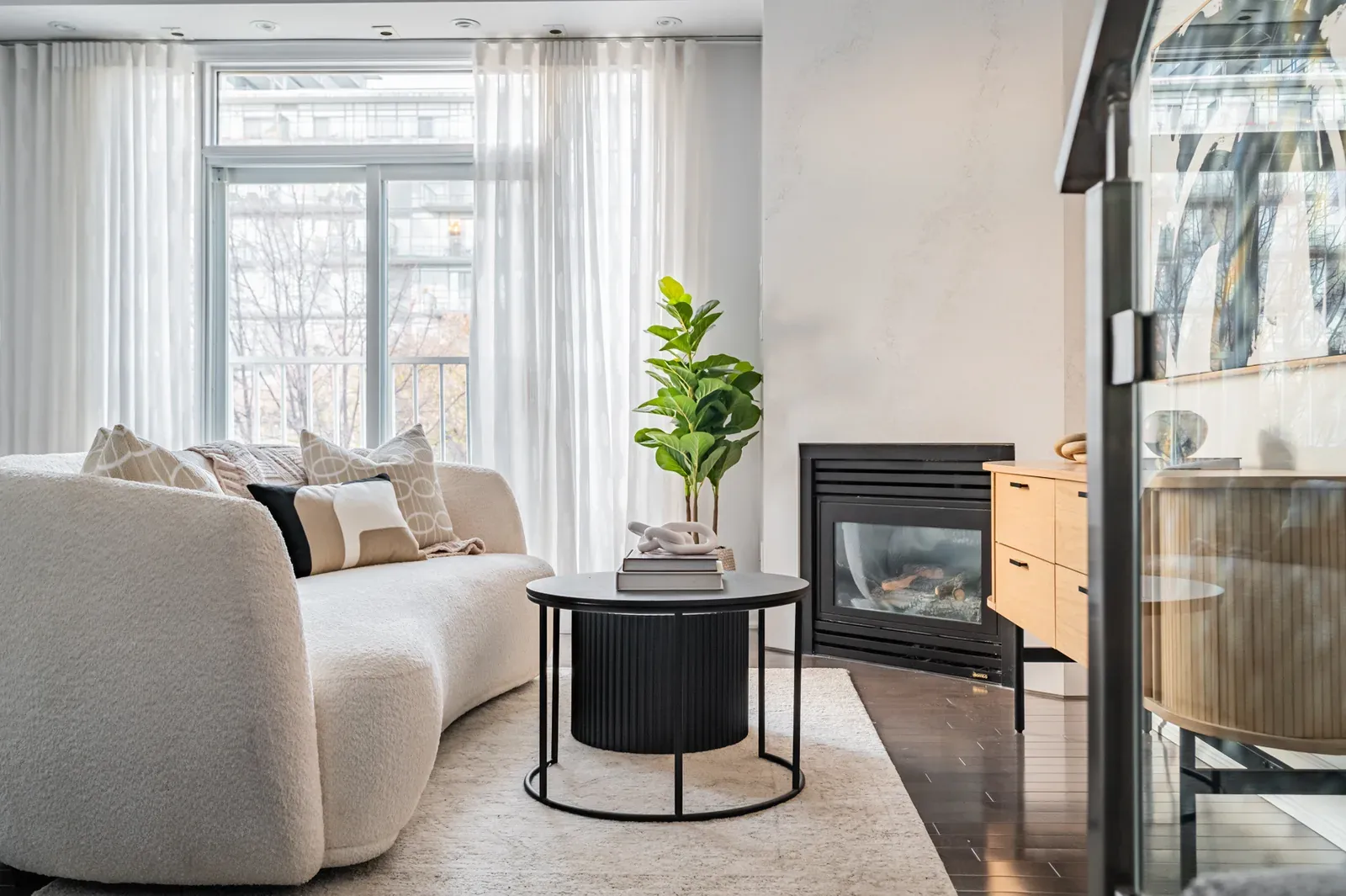
Beautiful interiors can serve different purposes depending on their intended outcome. While both home staging and interior design improve the appearance of a property, they follow distinct objectives, methods, and priorities. One focuses on attracting potential buyers through broad visual appeal, whereas the other creates personalized spaces for long-term living. Moreover, each approach uses furniture, color, lighting, and décor differently to achieve specific results. Recognizing these differences helps property owners choose the most suitable strategy for their goals.
Understanding the Purpose of Home Staging
Home staging prepares a property for the real estate market by creating an inviting atmosphere that appeals to a wide audience.
Rather than reflecting personal preferences, staging emphasizes neutrality, functionality, and visual balance.
Creating Broad Buyer Appeal
Every staging decision aims to attract as many buyers as possible.
Typical staging priorities include:
- Neutral colors
- Open layouts
- Minimal décor
- Bright interiors
- Organized furniture
- Clean surfaces
Together, these elements create welcoming spaces that encourage buyer imagination.
Highlighting Property Features
Staging directs attention toward architectural strengths.
Consequently, buyers focus on room size, natural light, and layout instead of personal belongings or decorative preferences.
Understanding the Purpose of Interior Design
Interior design focuses on creating spaces that reflect the owner’s lifestyle, personality, and long-term functional needs.
Design choices prioritize individual comfort rather than broad market appeal.
Personal Expression Matters
Interior design allows homeowners to incorporate personal tastes through:
- Bold colors
- Unique artwork
- Custom furniture
- Personal collections
- Statement lighting
These choices create meaningful living environments tailored to specific preferences.
Long-Term Functionality
Design plans often consider daily habits, family needs, and future lifestyle changes.
Therefore, customization plays a central role throughout the process.
Different Goals Shape Different Results
Although staging and interior design share visual principles, their objectives differ significantly.
Staging supports property marketing, while interior design supports everyday living.
Staging Encourages Buyer Interest
A staged home presents spaces that feel open, organized, and universally appealing.
Visitors can easily imagine creating their own lifestyle within the property.
Interior Design Creates Individual Identity
Interior design celebrates personal style through customized layouts and decorative choices.
Consequently, each project becomes unique to its owner.
Furniture Selection Follows Different Priorities
Furniture influences both comfort and perception.
However, staging and interior design select furnishings for different reasons.
Home Staging Uses Neutral Pieces
Staged properties often feature furniture that appeals to broad audiences.
Examples include:
- Simple sofas
- Neutral dining tables
- Minimal shelving
- Light-colored chairs
- Soft textiles
These selections improve visualization while maintaining flexibility.
Interior Design Reflects Lifestyle
Interior design encourages custom furniture choices that support personal comfort and aesthetics rather than market expectations.
Color Choices Support Different Objectives
Color creates emotional responses throughout every interior.
Therefore, each discipline approaches color strategically.
Neutral Colors Dominate Staging
Soft whites, beige, gray, and earth tones appeal to many buyers while enhancing natural light.
Neutral environments also make rooms appear larger.
Design Encourages Individual Creativity
Interior designers often introduce bold colors, dramatic contrasts, or personalized themes that reflect the homeowner’s taste.
Decorative Accessories Serve Different Roles
Accessories complete a room while influencing perception.
However, their purpose varies between staging and interior design.
Staging Uses Restrained Décor
Simple decorative elements include:
- Fresh greenery
- Decorative trays
- Neutral artwork
- Coffee table books
- Ceramic vases
These details create warmth without distracting buyers.
Interior Design Celebrates Personality
Design projects may feature personal collections, travel souvenirs, family photographs, and artistic displays that create emotional significance.
Lighting Strategy Creates Different Experiences
Lighting improves atmosphere and functionality in every space.
Each approach uses illumination according to its primary objective.
Staging Maximizes Brightness
Open blinds, layered lighting, and warm illumination create inviting interiors that photograph well and impress buyers during showings.
Interior Design Supports Daily Living
Interior design combines task lighting, decorative fixtures, and ambient illumination to support practical routines while enhancing style.
Space Planning Takes Different Directions
Space planning influences how people move through a room and interact with their surroundings. Although both home staging and interior design value functionality, they arrange spaces for different purposes.
Moreover, each strategy prioritizes a unique audience, resulting in different layout decisions.
Home Staging Focuses on Openness
Staging removes unnecessary furniture to improve circulation and create a spacious appearance.
Common staging priorities include:
- Wide walkways
- Defined seating areas
- Open sightlines
- Balanced furniture placement
- Minimal accessories
- Flexible room layouts
These choices encourage buyers to appreciate the property’s full potential.
Interior Design Prioritizes Daily Living
Interior design organizes furniture according to the homeowner’s routines and lifestyle.
Customized layouts support entertaining, working, relaxing, and family activities while reflecting personal preferences.
Budget Allocation Differs Between the Two Approaches
Investment decisions vary because staging and interior design pursue different outcomes.
Staging often emphasizes visual impact within a limited timeframe, while interior design focuses on long-term value and comfort.
Staging Uses Strategic Enhancements
Small improvements often produce meaningful results.
Fresh paint, updated accessories, neutral furniture, and improved lighting enhance presentation without requiring major renovation.
Interior Design May Include Permanent Changes
Interior design projects can involve:
- Custom cabinetry
- Built-in shelving
- Flooring replacement
- Lighting upgrades
- Wall treatments
- Furniture customization
These enhancements support everyday living over many years.
Marketing Versus Personal Satisfaction
One of the clearest distinctions lies in the intended audience.
Home staging targets potential buyers, whereas interior design serves the people living inside the property.
Staging Supports Property Sales
Every decision aims to create broad market appeal.
A balanced environment encourages buyers to picture themselves enjoying the space rather than focusing on another person’s lifestyle.
Interior Design Reflects Individual Identity
Personal taste guides every design choice.
Consequently, colors, furniture, artwork, and accessories often express hobbies, culture, memories, and family traditions.
Emotional Connection Forms in Different Ways
Both approaches create emotional responses, yet they achieve those reactions through different methods.
Staging Encourages Buyer Imagination
Neutral spaces allow visitors to create their own vision for the property.
This flexibility often increases emotional engagement during property viewings.
Interior Design Builds Personal Comfort
Customized interiors create familiarity and belonging through meaningful objects and personalized layouts that support everyday routines.
Common Misconceptions About Home Staging and Interior Design
Many people assume staging and interior design deliver identical results. However, their priorities remain distinctly different despite sharing visual design principles.
Home Staging Is Not Decorating
Staging emphasizes strategic presentation rather than personal decoration.
Every element exists to enhance buyer perception and highlight architectural features.
Interior Design Is More Than Appearance
Interior design combines aesthetics with function, comfort, storage, lighting, and lifestyle planning to create spaces tailored for long-term enjoyment.
How Neutral Styling Creates Wider Appeal
Neutral presentation helps buyers focus on architecture, natural light, and room dimensions instead of decorative preferences.
Discussions surrounding home staging in Toronto frequently emphasize timeless color palettes and uncluttered layouts because these choices encourage broad buyer interest while preserving flexibility for future personalization.
Key Differences at a Glance
The following points summarize the primary distinctions between the two approaches:
- Home staging targets buyers, while interior design serves occupants.
- Staging uses neutral styling, whereas design reflects personality.
- Home staging supports marketing goals, while design focuses on daily living.
- Staging minimizes personal items, whereas design welcomes customization.
- Home staging often involves temporary furnishings, while interior design frequently includes permanent improvements.
- Staging creates broad appeal, while interior design celebrates individuality.
Conclusion
Home staging and interior design both improve interiors, yet they serve different purposes and audiences. Staging creates neutral, inviting spaces that strengthen buyer interest, while interior design develops personalized environments for long-term living and comfort. Moreover, each approach uses furniture, color, lighting, and décor differently to achieve its objectives. Recognizing these distinctions helps property owners make informed decisions that align with their goals, whether preparing a home for sale or creating a space that reflects personal style.
FAQs
1. What is the primary purpose of home staging?
Home staging prepares a property for sale by creating attractive, neutral spaces that appeal to a broad audience and encourage buyers to imagine living inside the home.
2. How does interior design differ from home staging?
Interior design creates personalized living environments based on the homeowner’s preferences, routines, and lifestyle, while home staging focuses on maximizing buyer appeal during the selling process.
3. Does home staging require permanent renovations?
No. Home staging typically relies on furniture arrangement, décor adjustments, lighting improvements, and decluttering rather than structural modifications or permanent upgrades.
4. Why do staged homes use neutral colors?
Neutral colors appeal to diverse buyers while making rooms feel brighter and more spacious. They also allow visitors to imagine their own decorating style within the property.
5. Can interior design include bold colors and personal collections?
Yes. Interior design encourages individuality through customized colors, artwork, furniture, and meaningful decorative elements that reflect the homeowner’s personality.
6. Which approach focuses more on resale value?
Home staging directly supports property marketing by improving presentation and buyer perception, while interior design primarily emphasizes long-term comfort and functionality.
7. Does furniture placement differ between staging and interior design?
Yes. Home staging arranges furniture to maximize openness and visual flow, whereas interior design prioritizes everyday comfort and practical living patterns.
8. Is decluttering important for both approaches?
Decluttering benefits both, although for different reasons. Staging removes distractions to attract buyers, while interior design organizes belongings to improve daily functionality and comfort.
9. Can a professionally designed home still benefit from staging?
Yes. Personalized interiors may require neutral adjustments before listing so buyers can focus on the property’s features instead of individual decorating preferences.
10. Which option should homeowners choose before selling?
Homeowners planning to sell generally benefit from staging because it presents the property in a way that appeals to a wider range of potential buyers and highlights its strongest features.